Apparel Search · Business Guide
How to Start a Clothing Line
The step-by-step path from idea to first sale — niche, business plan, production model, development, manufacturing, pricing and launch, with a full guide for every stage.
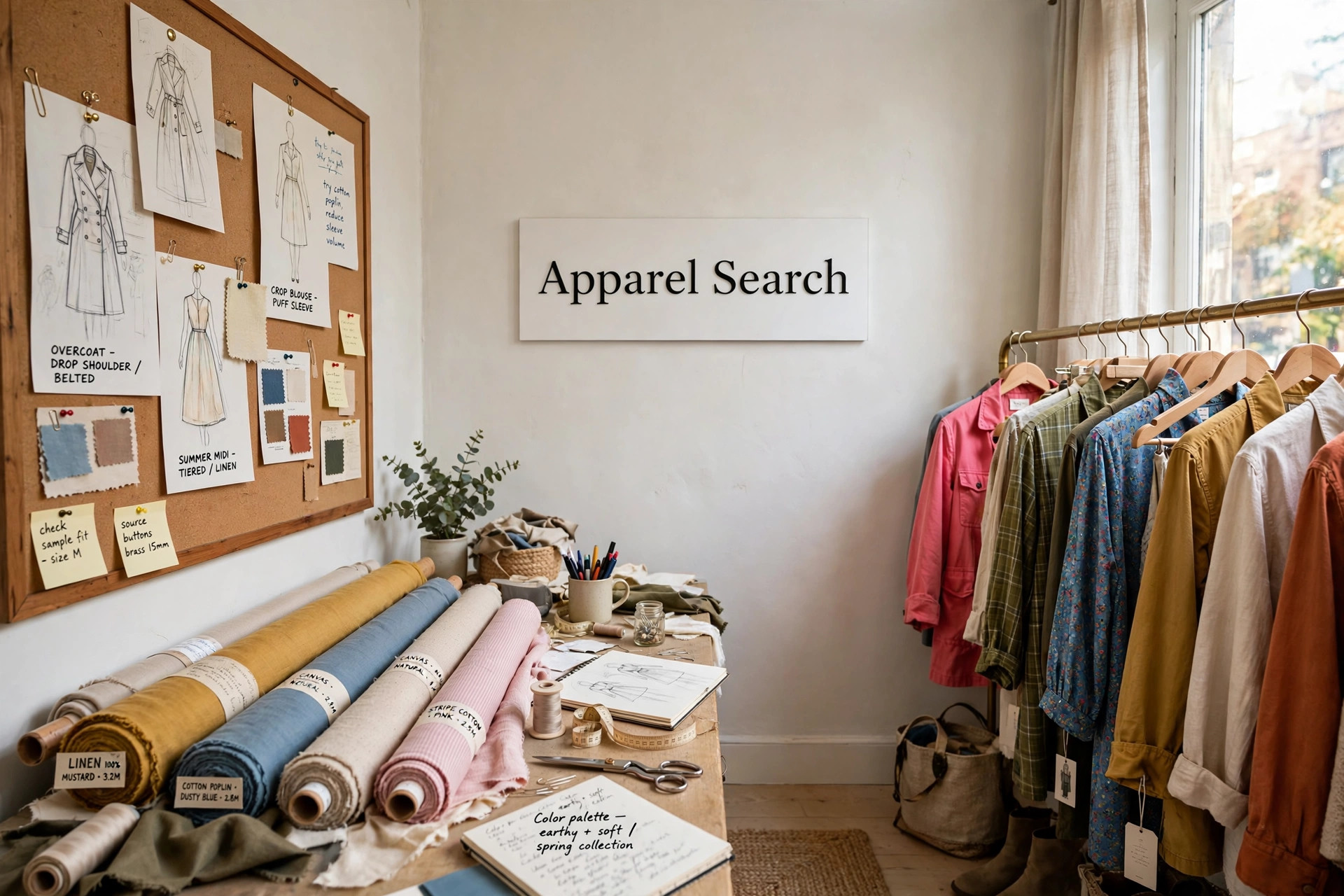
Every clothing brand — from a one-person label selling printed tees to a full designer collection — starts with the same sequence of decisions. Who is the customer? What exactly will you sell? Who will make it, what will it cost, and how will anyone find out it exists? This guide walks that whole path in order, with a full guide for each stage linked below, so a first-time founder can see the entire journey before spending anything.
Apparel Search has answered the short version of this question for years in its Q&A library — see how to start a clothing business for the concise answer. This cluster is the long version: the step-by-step treatment, stage by stage, with the detail a founder actually needs at each one.
What Starting a Clothing Line Really Involves
A clothing line is a product business, not just a design project. Alongside the creative work — designing garments people want — a line needs a legal business, a production method, money to fund samples and a first run, a price that leaves margin at every step, and a channel that puts the clothes in front of buyers. Weakness in any one of those five areas sinks more new labels than weak design does.
The Path, Step by Step
Define your niche and customer
Decide exactly who the clothes are for and what job they do in that person's wardrobe. “Women's clothing” is not a niche; “washable work dresses for nurses” is. The narrower the starting niche, the easier every later decision — fabrics, prices, marketing — becomes.
Write the business plan
Put the idea on paper: the customer, the product, the competition, the money. The fashion business plan guide covers what lenders, partners and the founder's own future self need it to contain.
Choose a production model
Cut-and-sew your own designs, private-label existing garments, white-label, print on demand, or make to order — each model has different costs, minimums and risks. They are compared head-to-head in clothing business models compared.
Handle the legal groundwork
Form the business, protect the brand name with a trademark search before printing a single label, and understand labeling rules. The Fashion Law & Intellectual Property Guide covers the legal side topic by topic.
Develop the product
Turn sketches into tech packs, patterns, samples and approved pre-production garments. The Apparel Product Development Guide teaches that process in depth; here, the key point is that development takes longer and costs more than most first-timers expect.
Find and vet a manufacturer
Shortlist factories that make your type of garment, compare quotes properly, order samples, and test with a small first run. How to find and vet a clothing manufacturer explains the vetting itself; Apparel Search's clothing manufacturer directories are where the search happens.
Plan the collection and the money
Decide how many styles, in which sizes and colors, at what retail price — then check the numbers work. Planning your first collection covers range planning, and startup costs and funding lays out what the launch will actually consume.
Sell and launch
Choose your channels — wholesale, direct-to-consumer, or both — then launch with photography, a line sheet and a story buyers and customers can repeat. The launch guide covers the first season's marketing in detail.
The Seven Guides in This Cluster
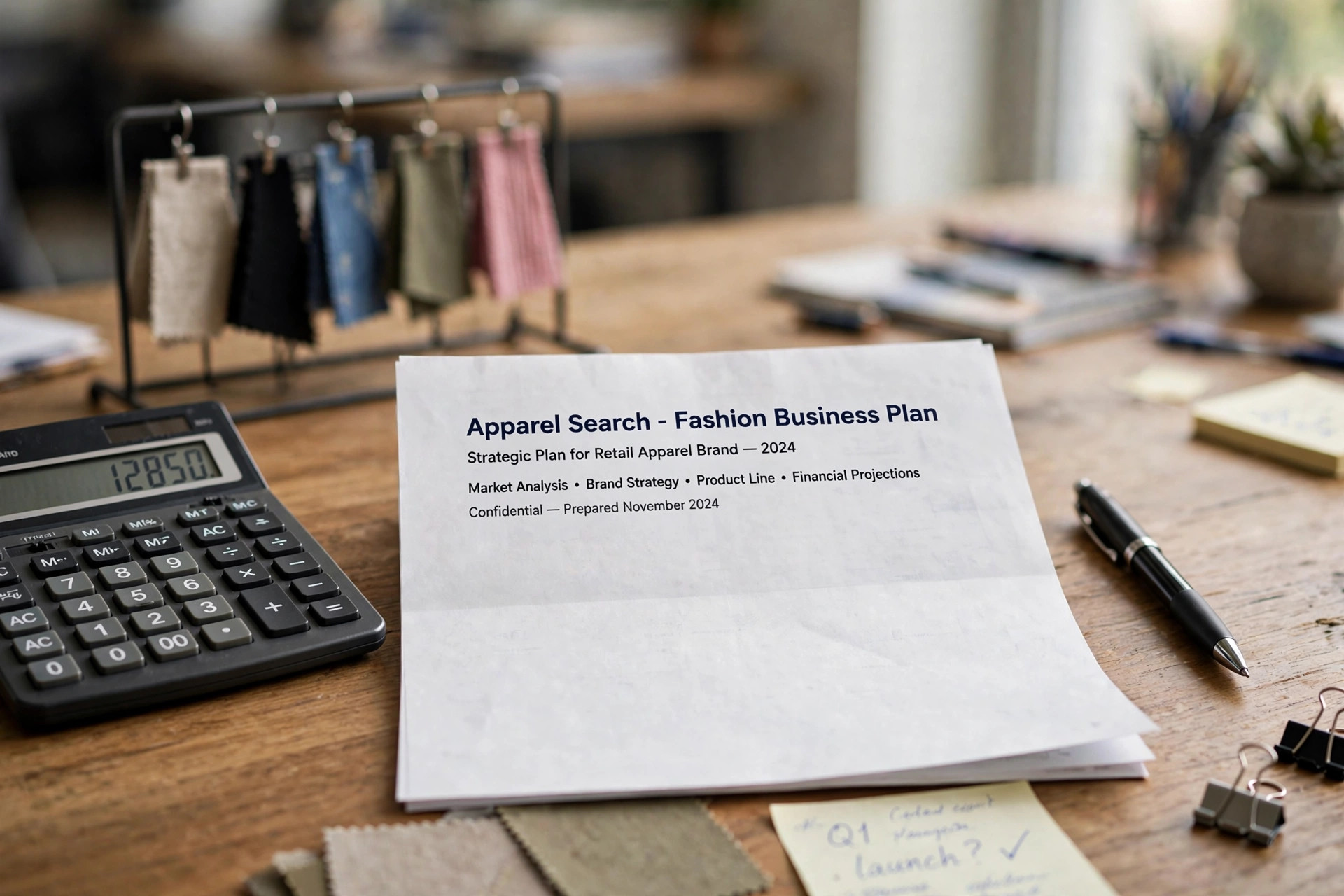 The Fashion Business PlanWhat a clothing brand's business plan must contain, section by section — and what lenders and partners actually look for.
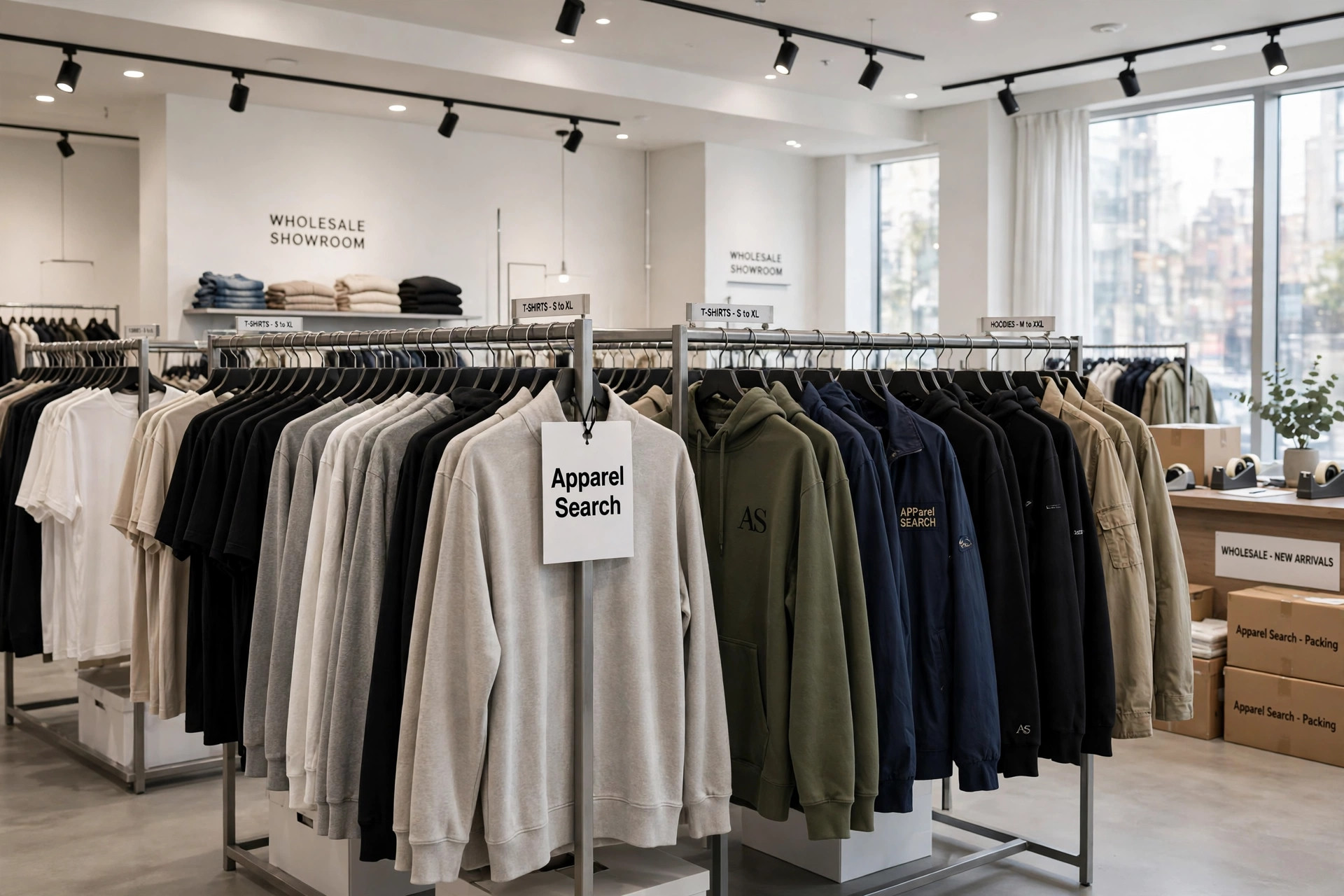 Clothing Business Models ComparedCut-and-sew, private label, white label, print-on-demand and made-to-order, compared on cost, minimums, control and risk.
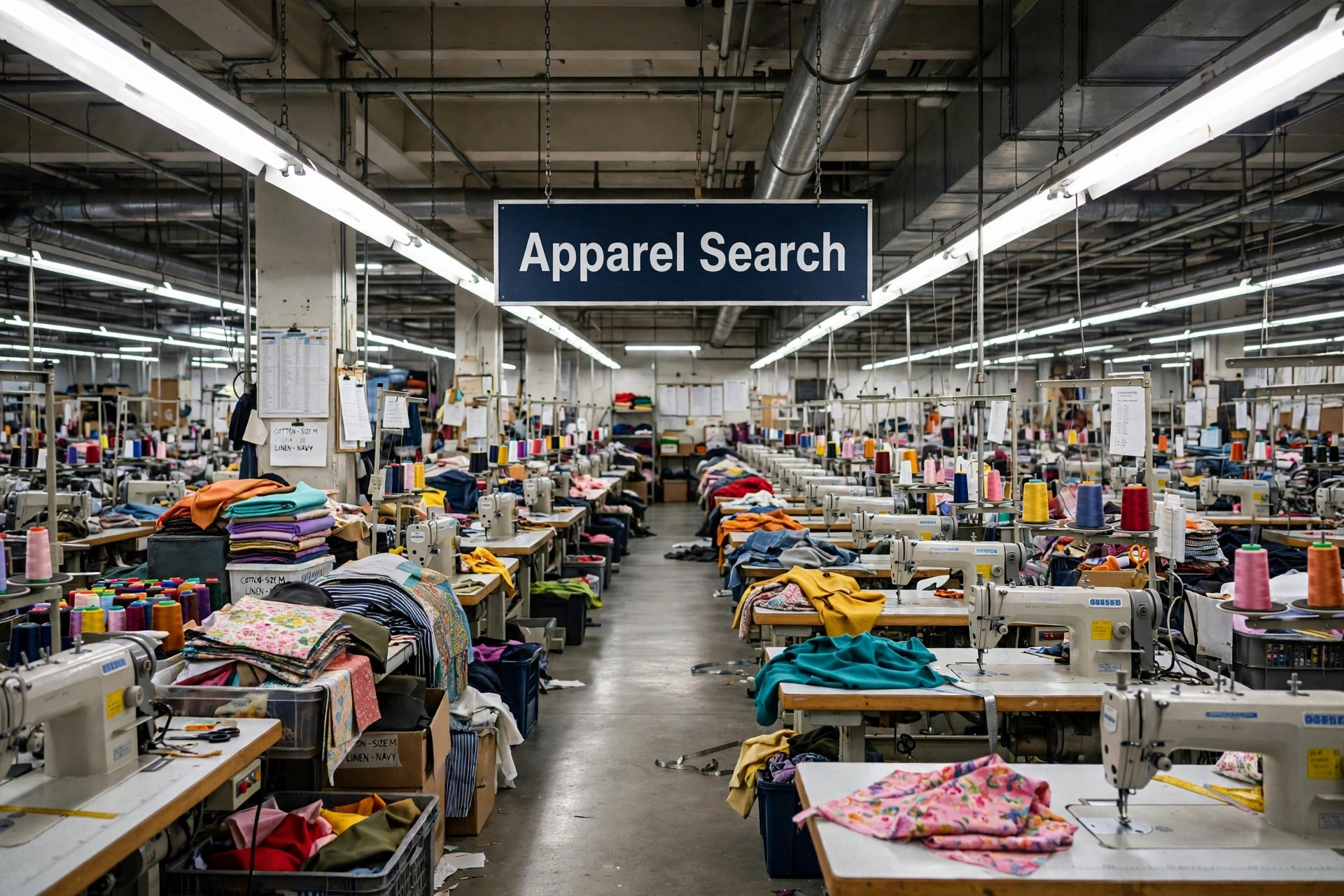 Find & Vet a Clothing ManufacturerHow to shortlist factories, read quotes, judge samples and protect yourself with references and a test order.
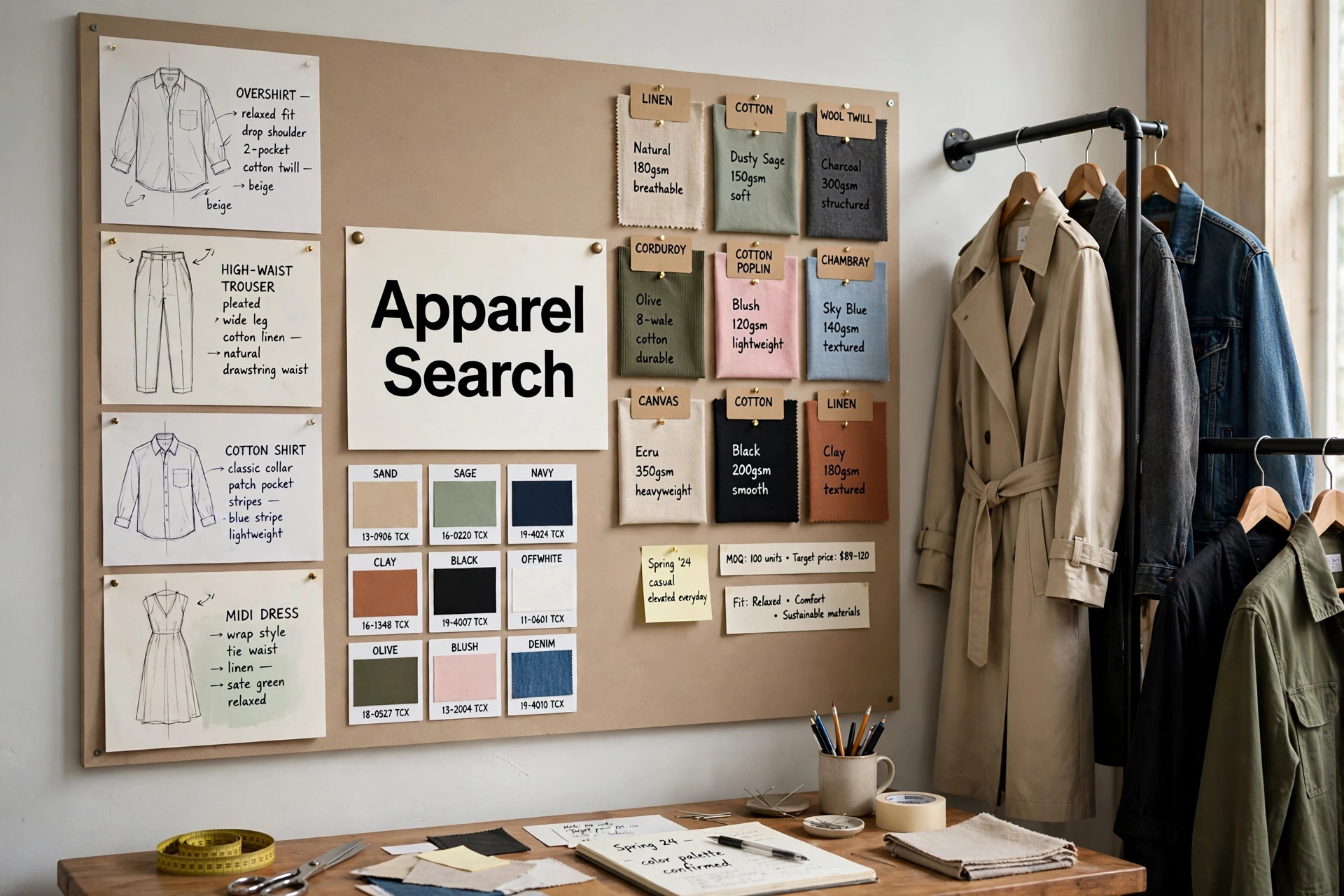 Planning Your First CollectionRange planning for a first season: how many styles, the size and color matrix, and building a line that hangs together.
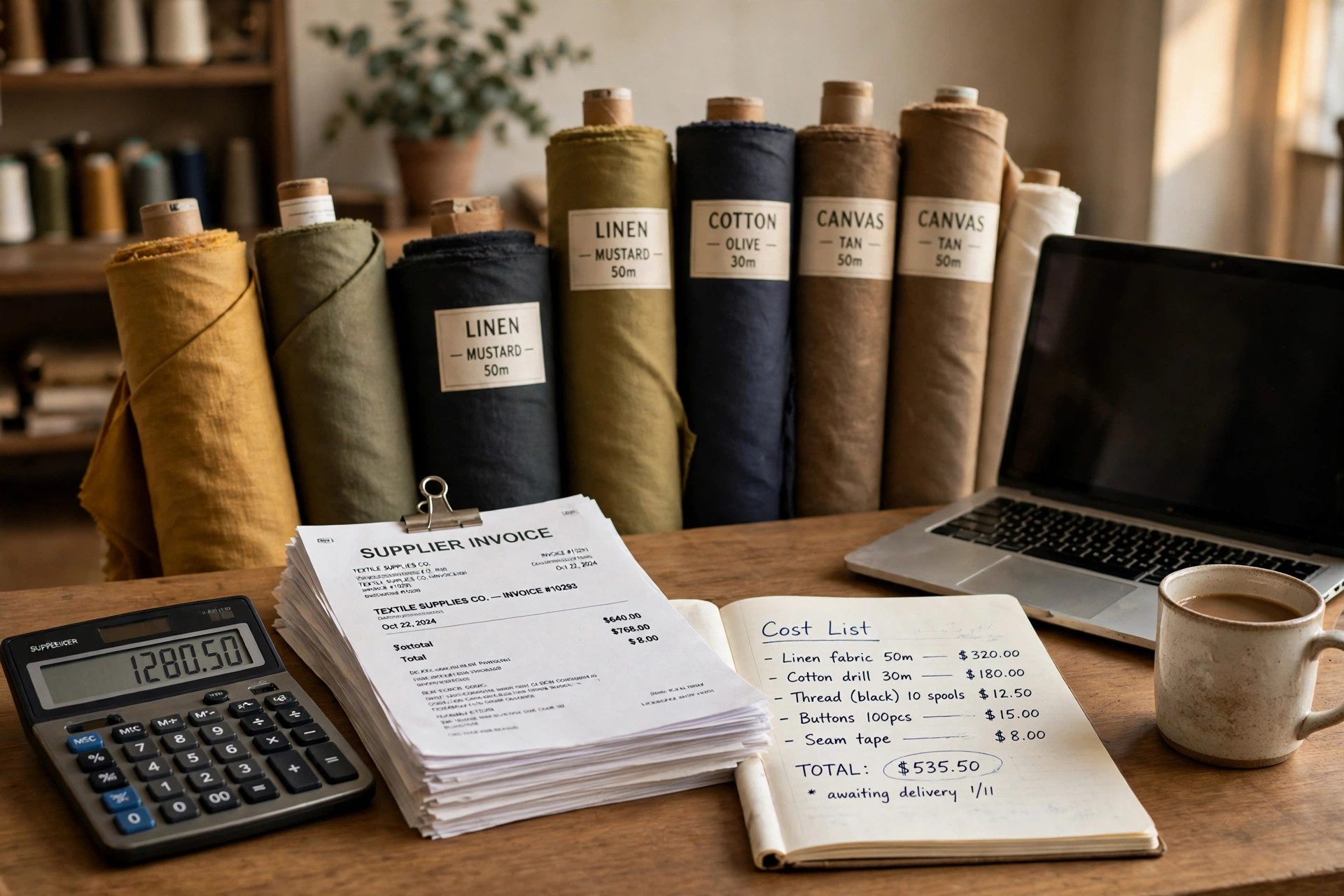 Startup Costs & FundingEvery cost a first line runs up — samples, production, photography, selling — and the realistic ways founders fund them.
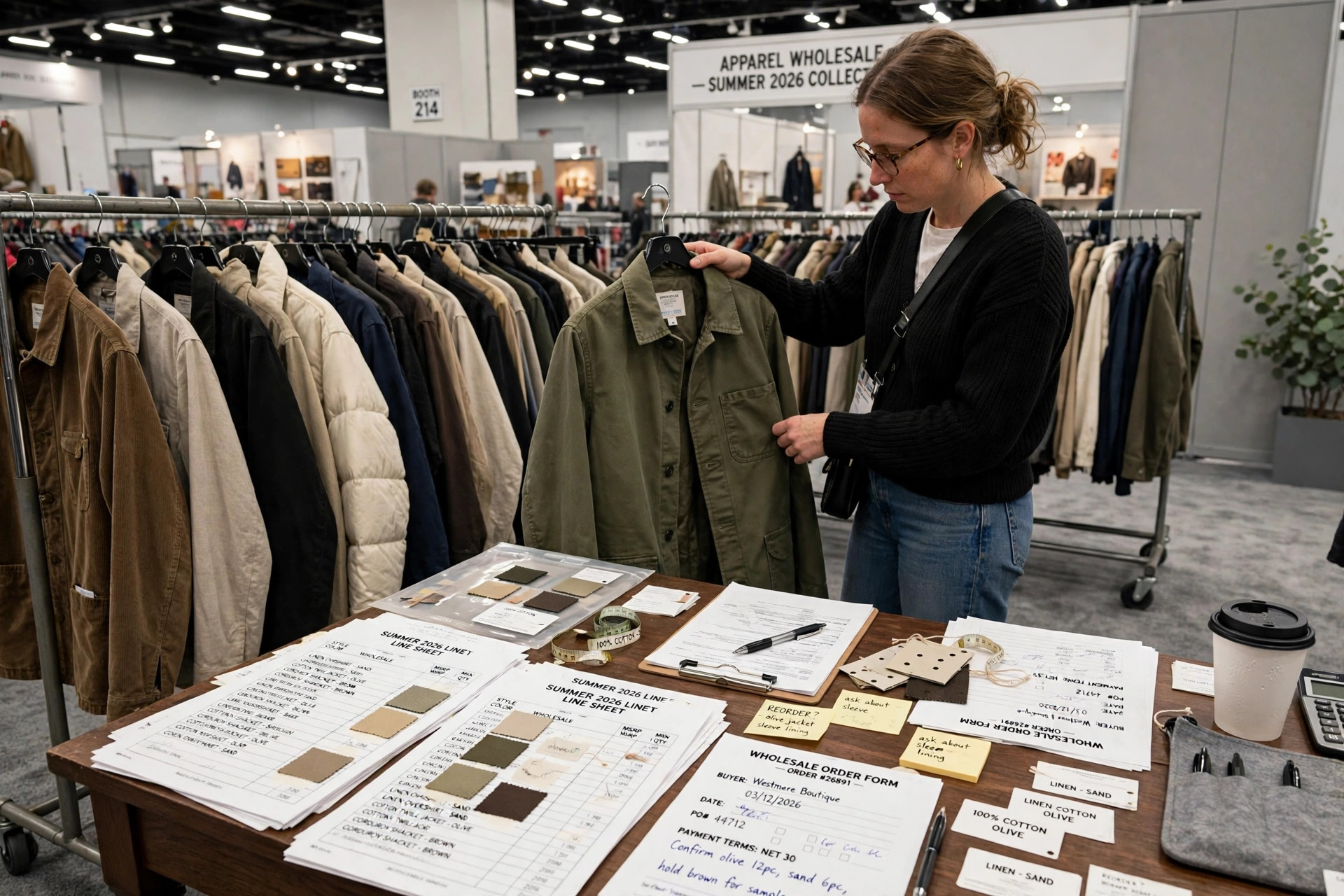 Selling Wholesale vs DTCThe two great channels compared: margins, minimums, timelines and workload — and why many brands run both.
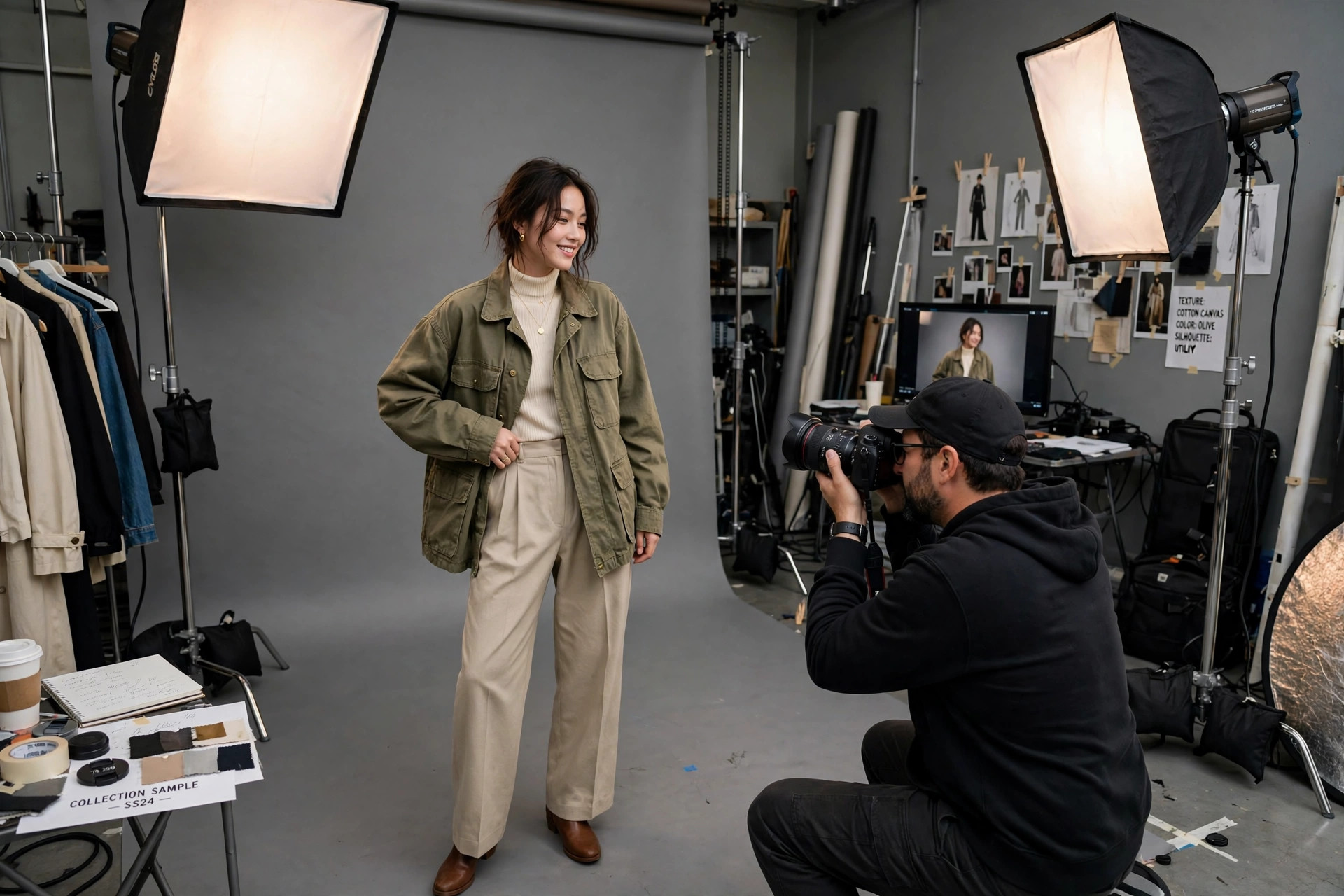 Launching Your First CollectionPhotography, line sheets, trade shows, social content and the first-season calendar that turns stock into sales.
The Money Has to Work on Paper First
The most common cause of death for new clothing lines is not taste — it is arithmetic. A style that costs too much to make for the price its customer will pay cannot be rescued by marketing. Before committing to production, work every style through a cost sheet: fabric, trims, making, freight, duty and packaging, then test the result against wholesale and retail price expectations. The Garment Costing & Production Economics Guide teaches that math in full, including landed cost and margin structure, and Apparel Search's garment cost sheet tool lets you run real numbers.
Where the Making Happens
Production geography is a strategic choice, not a default. Domestic and nearshore factories offer small minimums, fast turns and easy communication at higher unit cost; offshore production lowers unit cost at the price of larger minimums, longer lead times and freight and duty complexity. Apparel Search's sourcing guide and the nearshoring and onshoring index map the options, and the costing guide above shows how the choice flows into your final price.
Related Guides on Apparel Search
Common Questions
How much money do I need to start a clothing line?
It varies enormously with the production model. A print-on-demand line can start with little more than design time and a website, while a cut-and-sew collection needs samples, patterns, fabric and a production run funded before anything sells. The startup costs guide in this cluster breaks the spending into categories so you can build a realistic figure for your own model instead of relying on a single headline number.
Do I need fashion design training to start a clothing line?
No formal training is required. Many successful founders are buyers, retailers or enthusiasts rather than trained designers, and technical work — pattern making, grading, sample sewing — can be hired from freelancers and factories. What a founder does need is product judgment: knowing the customer, recognizing quality, and understanding the numbers in the costing guide.
Should I sell wholesale or direct to consumer first?
Each channel has real trade-offs. Wholesale brings volume and credibility but lower margins and payment terms that strain cash flow; direct-to-consumer keeps the full margin but makes the brand responsible for all marketing and fulfillment. Many young brands start direct, prove the product, then add wholesale. The wholesale vs DTC guide in this cluster compares both in detail.
How long does it take from idea to first sale?
For a made-to-order or print-on-demand line, weeks. For a developed cut-and-sew collection, most first-timers should expect the better part of a year: design and development, sampling rounds, production lead time and selling season all stack up. Planning the calendar backwards from a target selling season is the standard professional approach.
Start at Step One
The founders who make it are rarely the most talented designers in the room — they are the ones who worked the whole path in order. Begin with your niche and your business plan, and let each guide above take you one stage further.