Apparel Search · Starting a Clothing Line
Clothing Business Models Compared
Cut-and-sew, private label, white label, print-on-demand and made-to-order — the five production models for a new label, compared on cost, minimums, control and risk.
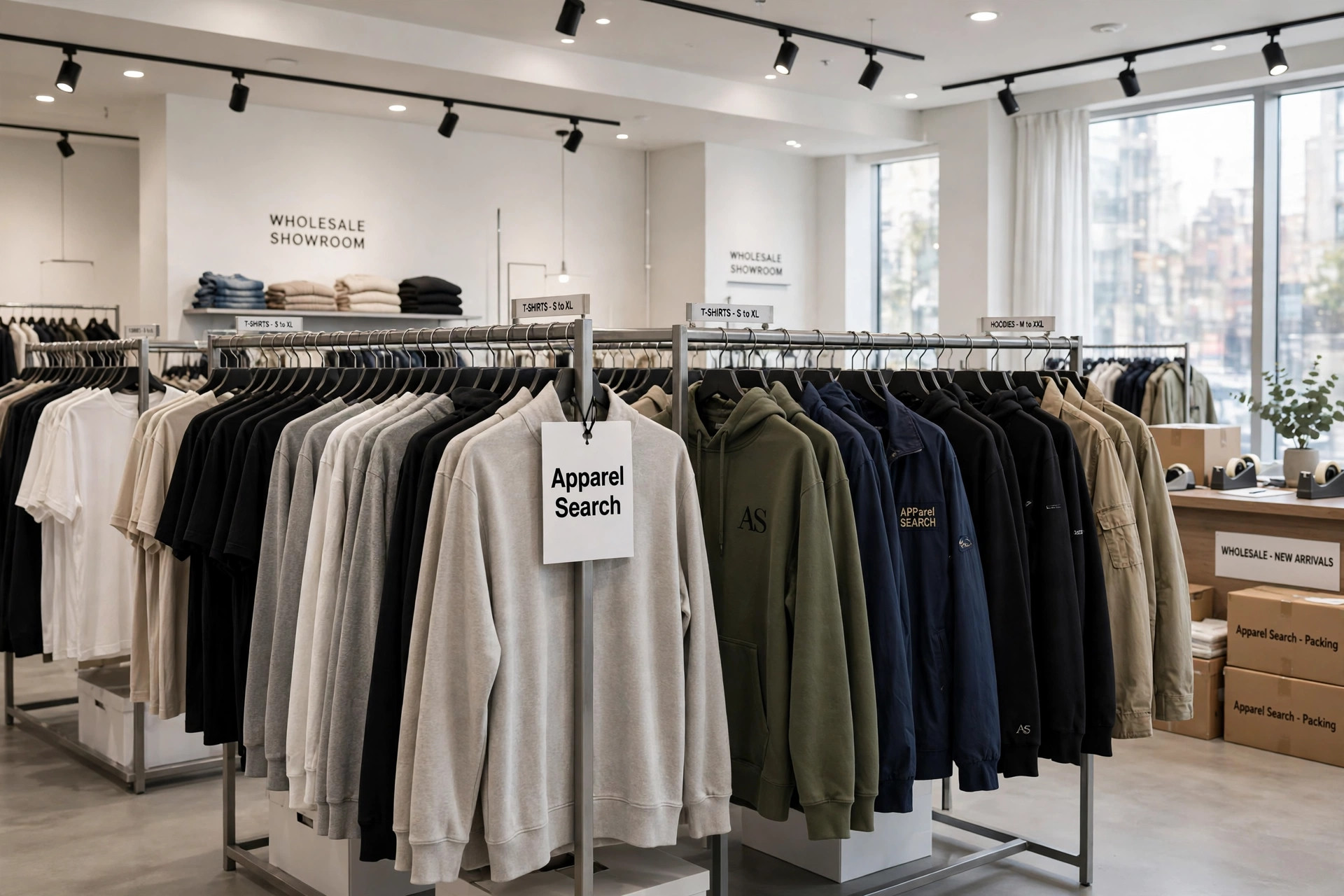
Before designs, before factories, a founder makes the decision that shapes every cost and risk in the business: how will the clothes come into existence? This guide compares the five production models used by new labels, and it sits early on the starting a clothing line path because the model you choose decides your minimums, your margins and how much money you need before the first sale.
The Five Models in One Sentence Each
Cut-and-sew: your own designs, made from raw fabric by a factory. Private label: a manufacturer's existing garments, made to your specification and sold under your brand. White label: ready-made generic garments bought and branded as yours. Print-on-demand: blanks decorated one unit at a time, only after a customer orders. Made-to-order: garments produced individually after each sale, to the customer's size or choices.
The Models Compared
| Model | Upfront investment | Minimums | Design control | Margin potential | Main risk |
|---|---|---|---|---|---|
| Cut-and-sew | Highest — patterns, samples, fabric, production | Per style/color, often dozens to hundreds of units | Total | Highest at scale | Unsold inventory; development cost |
| Private label | Moderate — branding, smaller runs | Lower than cut-and-sew | Limited — fabrics, colors, trims on an existing garment | Moderate | Same base garment as other brands |
| White label | Low — buy and brand finished stock | Often very low | Minimal | Low to moderate | No differentiation; quality varies |
| Print-on-demand | Lowest — no inventory at all | One unit | Artwork only, on set blank styles | Low per unit | High unit cost; no control of blanks |
| Made-to-order | Low-moderate — samples, not stock | One unit | High | Moderate to high | Slow delivery; labor scales badly |
The table is a starting map, not a verdict — the ranges in each cell move with category, country of production and order size, and the startup costs guide shows how each model changes the money a launch requires.
Cut-and-Sew: The Full-Commitment Model
Cut-and-sew is the classic fashion business: your patterns, your fabric, a factory cutting and sewing to your tech packs. It offers total design control and the best margins at volume, and it is the only model that builds a genuinely ownable product. It is also the slowest and most capital-hungry: development runs through the process in the Product Development Guide, and every style must be sampled, costed and produced before it can sell a single unit. The manufacturer vetting guide exists because this model lives or dies on factory choice.
Private Label and White Label: Borrowing Someone Else's Product
Private label manufacturers produce their own garment designs and let brands adjust specifications — fabric, color, trim, labels — within a menu. White label goes further: the garment is finished, and the brand's job is branding and selling it. Both models trade differentiation for speed and low minimums, which makes them rational for testing a market or filling a category. Apparel Search's private label clothing pages list suppliers working this way. The trap to avoid is building a “brand” that is only a logo on a garment five competitors also sell.
Print-on-Demand and Made-to-Order: Inventory-Free, Within Limits
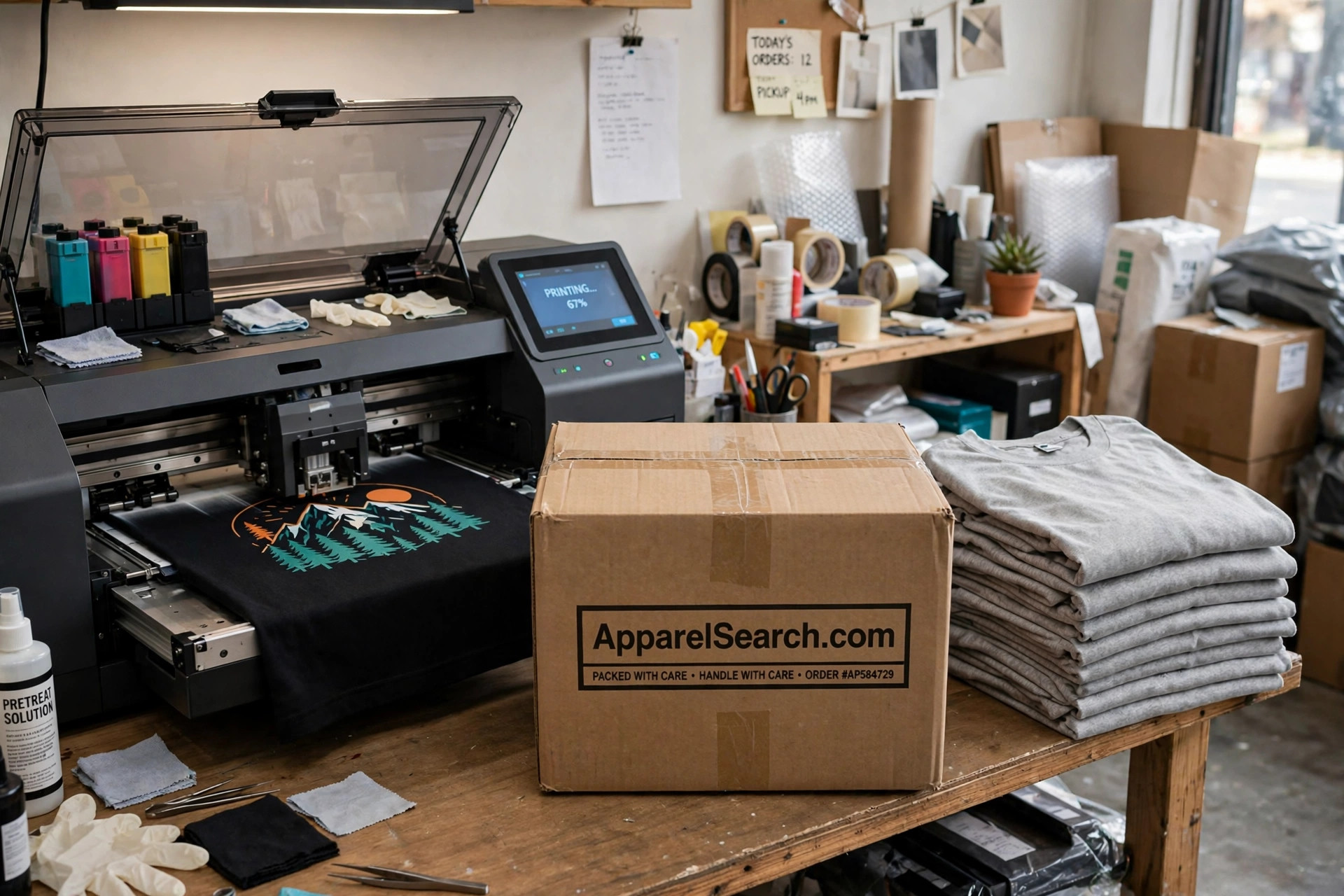
Print-on-demand removes inventory entirely, which is why it is the standard entry model for graphic-led brands. The economics are the catch: the per-unit cost includes the blank, the print and the fulfillment service, so margins are thin and the product is limited to the blanks and print areas the provider offers. Made-to-order keeps design control and eliminates stock, but every order waits on production — delivery times customers accept for a tailored or personalized piece, and resent for a basic one. Both models reward a founder whose real skill is audience and artwork rather than garment engineering.
Choosing Honestly
- Choose the model that matches your actual advantage: design skill, audience, capital or speed — not the one that sounds most like “real fashion.”
- Models can be staged: many brands test with print-on-demand or private label, then invest profits in cut-and-sew.
- Whichever model you choose, write it into the business plan with its real minimums and lead times attached.
Compare the Next Decisions
Common Questions
What is the cheapest way to start a clothing brand?
Print-on-demand has the lowest startup cost because nothing is produced until a customer orders, so there is no inventory to fund. White label and dropshipped wholesale garments are next cheapest. Both trade away design control and per-unit margin, which is why many brands treat them as a testing stage rather than the final model.
What is the difference between private label and white label?
Private label garments are produced by a manufacturer to a brand's adjusted specification — fabric, color, trim and branding chosen from the maker's options — while white label garments are finished, generic products the brand simply buys and brands. Private label allows some product input; white label allows almost none.
Is cut-and-sew better than print-on-demand?
Neither is better in the abstract. Cut-and-sew gives total design control and the strongest margins at volume but demands the most capital, development time and inventory risk. Print-on-demand gives speed and zero inventory at thin margins on limited blanks. The right choice depends on the product, the founder's skills and the money available.
Can a brand change production models later?
Yes, and many do. A common path is to test demand with print-on-demand or private label, then move proven designs into cut-and-sew production where margins and control are better. The reverse also happens when a cut-and-sew style underperforms and is dropped back to a lower-risk model.
Back to the Starting a Clothing Line Guide
The model decision is reversible early and expensive late — most founders revisit it once, after their first season's real numbers arrive. The full Starting a Clothing Line guide walks the whole path — business plan, business models, manufacturers, collection planning, costs, selling channels and launch.