Apparel Search Business Guides
Pop-Up Shop Guide
Why clothing brands open temporary stores, how to plan one week by week, and the costs, locations and design decisions that decide whether it works.
A pop-up shop is a real store with an end date. For a few days, a few weeks or a season, a brand takes physical space — a vacant storefront, a corner inside another shop, a market stall, a mall kiosk — and sells face to face, then packs up and leaves. The format has a formal definition in our fashion glossary, at pop-up retail, but definitions do not capture why clothing brands keep coming back to the format: a pop-up is the cheapest way to learn the things a website cannot teach. How the clothes look on real bodies. What shoppers pick up, try on and put back. Which neighborhood actually holds your customer.
This guide is for the people who run them: independent clothing brands, online labels testing physical retail, and small retailers with stock to move or a new area to try. The pages below take the project in order — what a pop-up costs and how to budget it, how to choose and secure the right space, and how to design a temporary shop that sells like a permanent one.
Search Apparel Search
The Guides in This Section
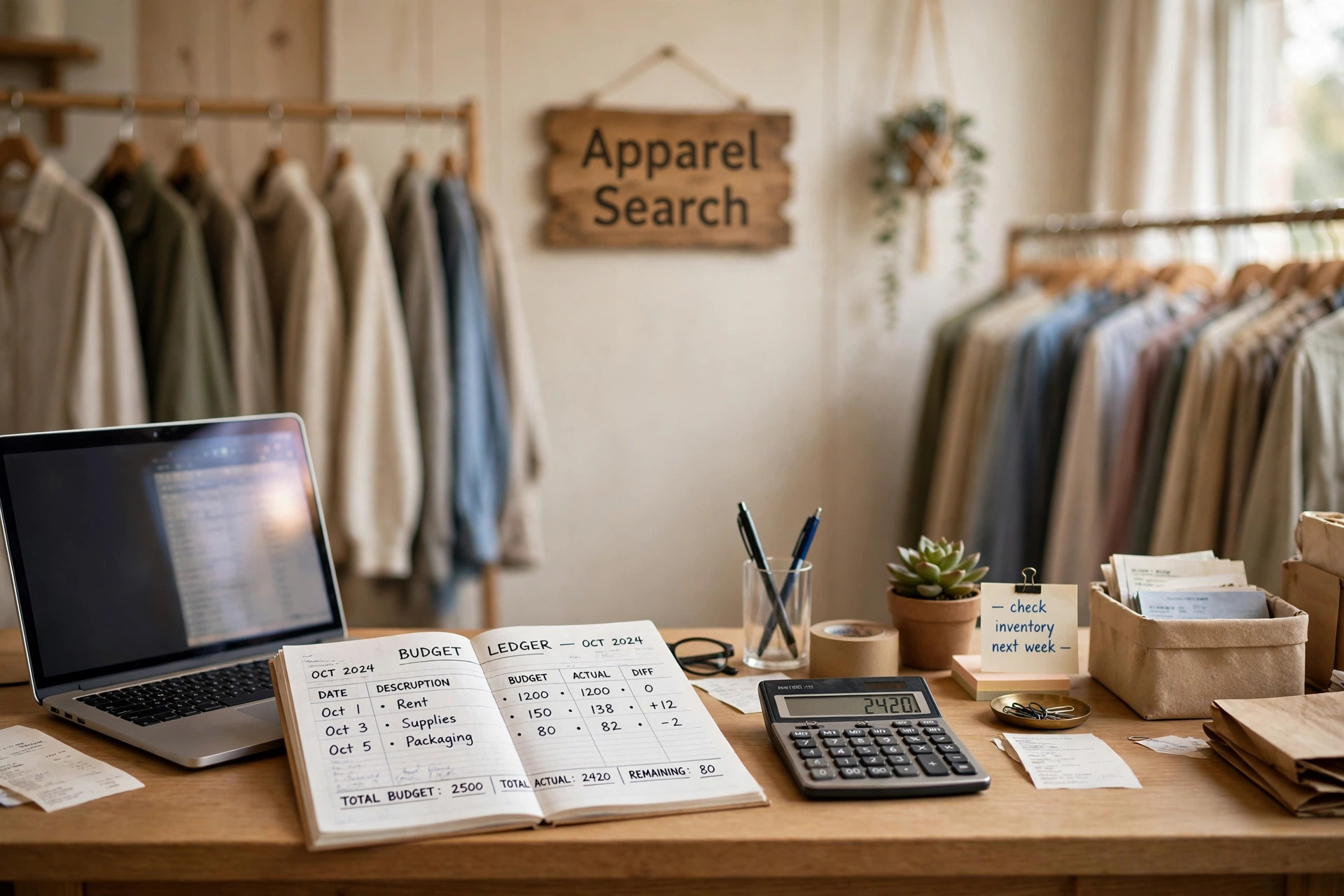 Pop-Up Shop Costs and BudgetingEvery cost category, from rent and deposits to permits, fixtures, staffing and card fees — with a sample budget framework for a weekend test and a month-long run.
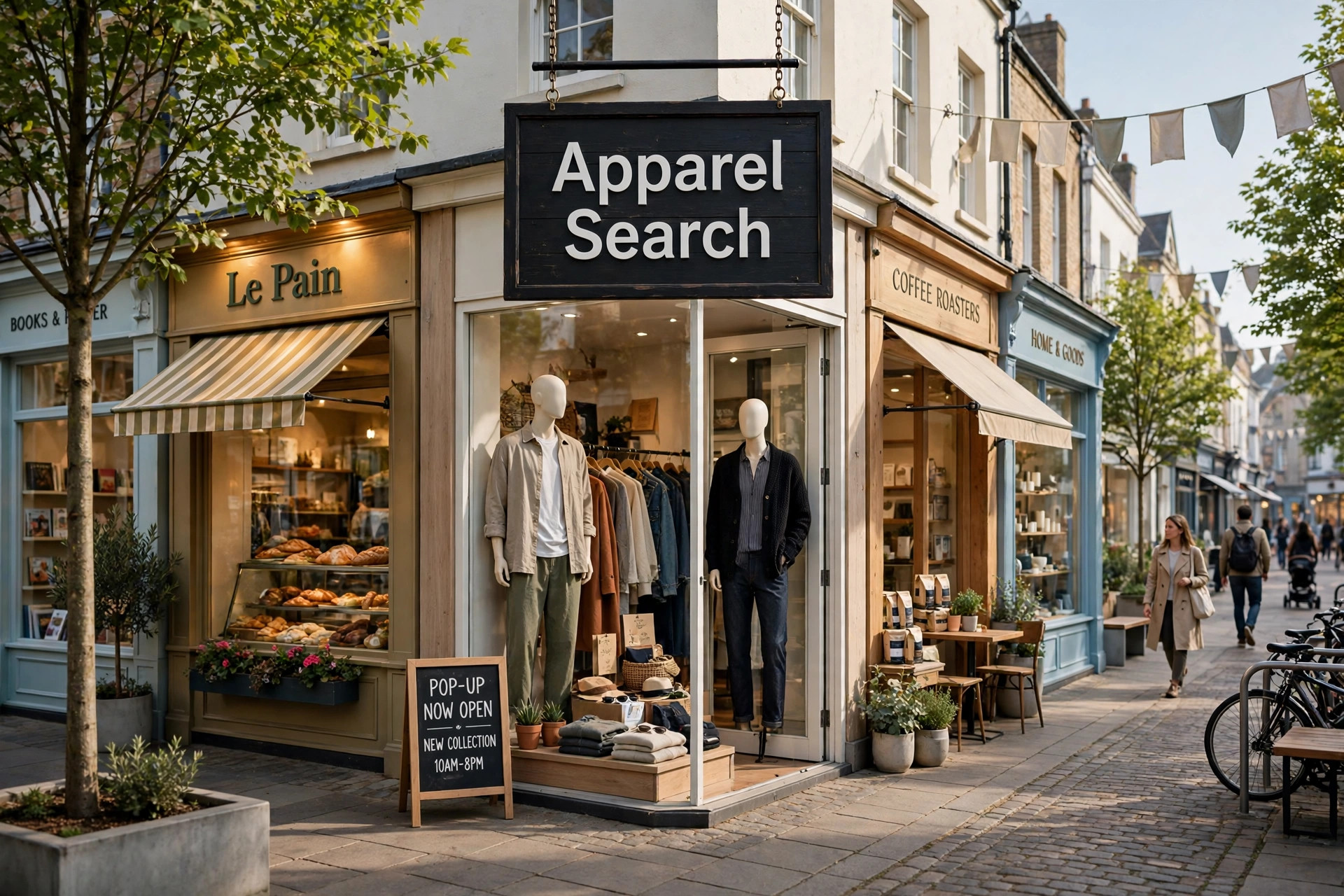 Choosing a Pop-Up Shop LocationVacant storefronts, shop-in-shop corners, markets and mall kiosks compared — plus foot-traffic fit and the lease questions to settle before you sign.
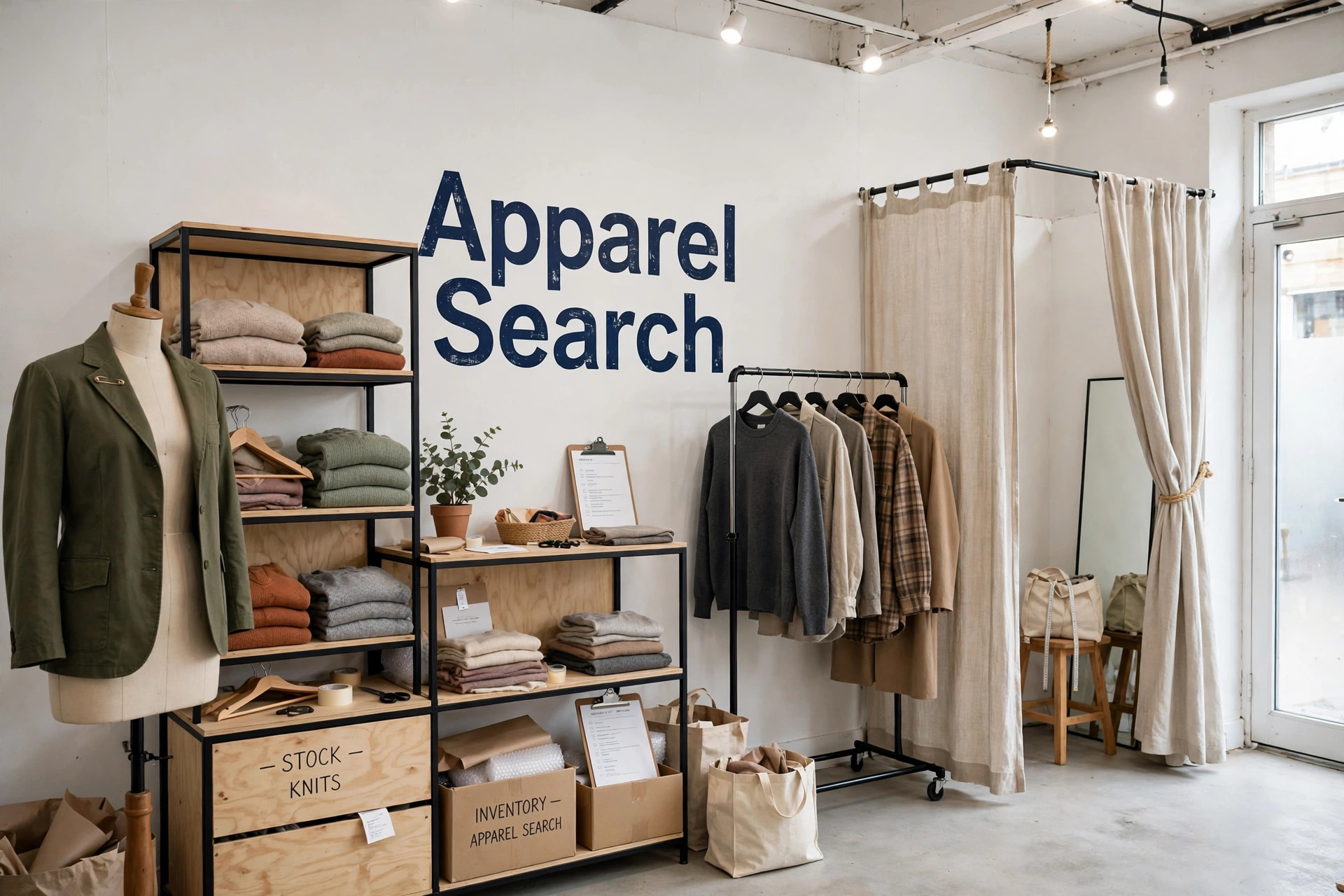 Pop-Up Shop Design and DisplayLaying out a small temporary space: fixtures that travel, customer flow, fitting space and the signage that explains you in three seconds.
Why Brands Open Pop-Ups: Four Jobs the Format Does Well
- Test a market before committing to it. A lease is a years-long bet; a pop-up is a question. A few weeks in a neighborhood tells you whether its shoppers buy your product at your prices — knowledge worth far more than the rent if it stops a bad lease, or confirms a good one. The testing only works if the space sits where your customer actually walks, which is why choosing the location is the decision this format lives or dies on.
- Launch a collection in person. A new line deserves more than a product page. A pop-up launch puts the collection in front of customers, local press and nearby retailers at once, generates photographs and content no studio shoot matches, and produces the first honest sales data — what sells, in what sizes, at what price points.
- Clear inventory without training customers to wait for sales. End-of-season stock, samples and slow sizes have to go somewhere. A short clearance pop-up — in a different location from your main store, under a clear sample-sale or archive-sale banner — converts dead stock into cash without discounting your full-price shop or your website. Price it as an event, run it for days not weeks, and let it end.
- Meet customers and learn out loud. Online, every misunderstanding is silent: the size chart that confuses, the fabric that photographs wrong, the price that feels unjustified until the garment is in hand. In a pop-up, customers tell you all of it, while trying things on, for the cost of listening. Smart brands staff their own pop-ups for exactly this reason — and design the space to start those conversations, as our design and display guide covers.
The Planning Timeline at a Glance
- Eight to twelve weeks out: set the goal and the budget. Decide the one question this pop-up must answer — is it sales, market testing, a launch, or clearance? The goal sets the location, the stock and the budget. Build the budget category by category with our costs and budgeting guide before you look at a single space.
- Six to eight weeks out: find and secure the space. Shortlist spaces, visit them at your selling hours, negotiate the short-stay terms and sign. Good spaces in good districts go early; markets and malls book further ahead still.
- Three to four weeks out: permits, fixtures and stock. File the licenses and permits your city requires, line up fixtures and signage, and pick the stock — a pop-up assortment is tighter and more deliberate than a store's.
- One to two weeks out: build the audience. Announce to your email list and social following, tell the local press and neighboring businesses, and make the dates unmissable. A pop-up has no time to be discovered slowly.
- Set-up days: build, dress, test. Fixtures in, stock out, signage up, card reader tested, fitting corner ready. Photograph the finished shop before the doors open — you will want the pictures all year.
- Open days: sell, capture, learn. Trade, take notes, and capture contact details with permission — the mailing list a pop-up builds often outearns the till. Watch what people try, ask and abandon; that is the real return.
- After closing: teardown and honest accounting. Return the space on the agreed terms, then score the pop-up against the one goal you set — sales versus budget, contacts captured, lessons confirmed — while the memory is fresh.
One Question, Decided in Advance
A pop-up can chase sales, learning, press or clearance, but it rarely maxes all four at once, and the goal changes every downstream choice — the district, the stock, the staffing, the budget. Decide the primary question before you sign for a space, and judge the result against that question afterwards. A pop-up that was meant to test a market and sold modestly while proving the neighborhood is a success; judged on sales alone, the same week looks like a failure.
Common Questions
What is a pop-up shop?
A pop-up shop is a temporary retail store: a brand takes physical space for a limited run — anything from a single weekend to a full season — sells in person, and then closes and leaves. The space might be a vacant storefront on a short license, a corner inside an existing shop, a stall at a market or fair, or a mall kiosk. Clothing brands use pop-ups to test new markets, launch collections, clear end-of-season inventory and meet customers face to face without committing to a long lease.
How long does a pop-up shop usually run?
Most clothing pop-ups run from a few days to a few weeks. A sample sale or market stall might be a single weekend; a market test or collection launch commonly runs two to six weeks; a seasonal pop-up can hold a space for two or three months, through the holiday season for example. The right length depends on the goal: clearance needs days, market testing needs enough trading days — including at least two weekends — to trust the pattern.
Do I need a long-term lease for a pop-up shop?
No. Pop-ups usually run on short-term arrangements rather than standard retail leases: a license to occupy for a fixed period, a short lease of a few weeks or months, a revenue-share or flat-fee agreement with a host store for a shop-in-shop, or a stall booking at a market or event. Whatever the form, get the dates, the total cost, what is included and the exit terms in writing before you commit — short arrangements are where misunderstandings about setup days, utilities and deposits breed.
Are pop-up shops only for new brands?
Not at all. New brands use them to sell in person for the first time, but established brands and retailers run pop-ups constantly: to test a neighborhood before signing a lease, to launch a collaboration or limited collection as an event, to hold a sample sale away from their main store, or to trade in a city where they have customers but no shop. The format is a tool, not a stage of growth — the question is always what job this temporary store is being hired to do.
Start With the Money
Every other decision in a pop-up gets easier once the budget is real. Our pop-up costs and budgeting guide lays out the full cost picture — rent, deposits, permits, fixtures, staffing, payment costs and marketing — with a sample framework at weekend and month-long scales.