Apparel Search · Starting a Clothing Line
Selling Wholesale vs DTC
How the two great channels compare for a new clothing line — margins, cash flow, workload and risk — and why many brands end up running both.
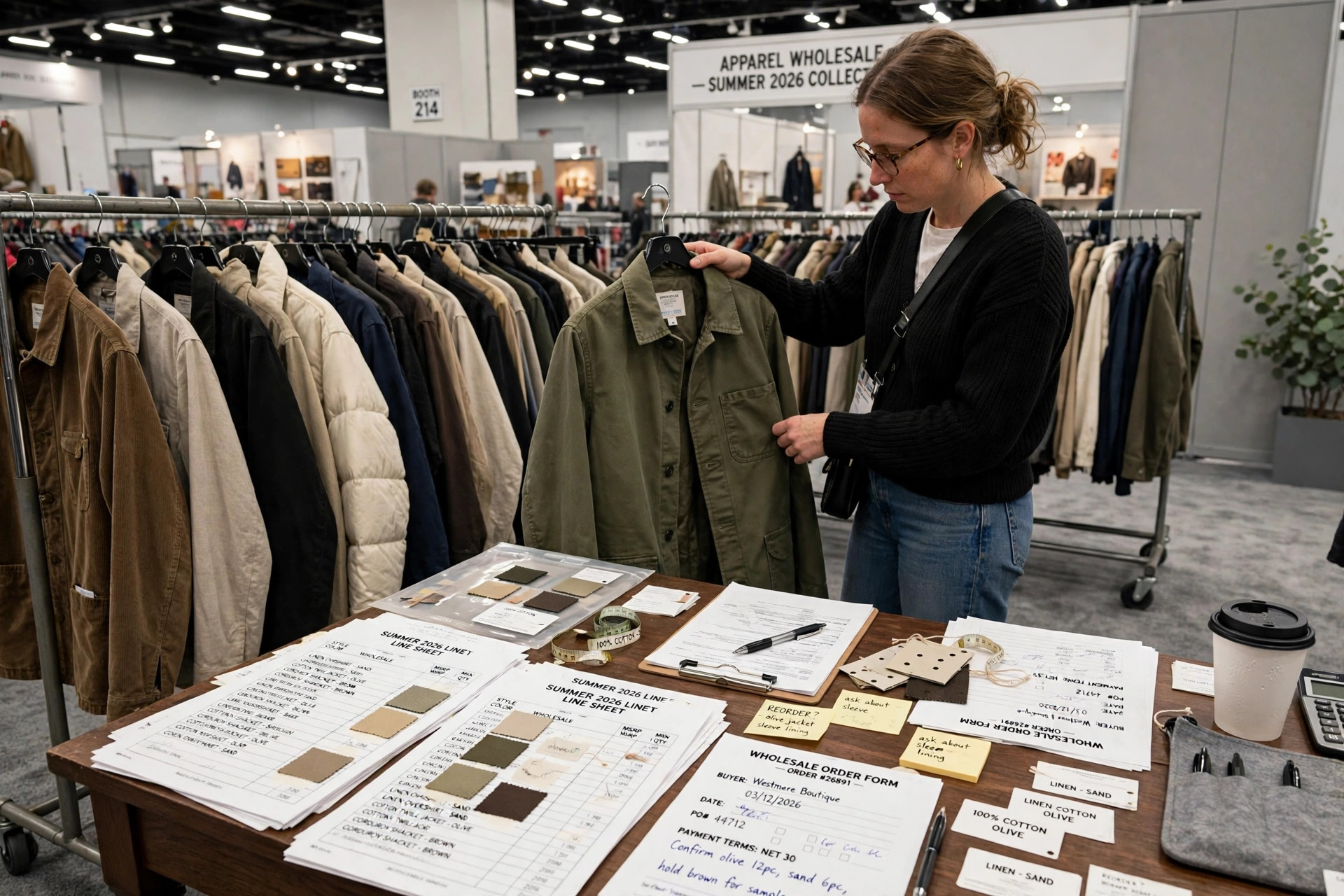
Every garment a new line makes must reach its wearer through a channel, and the channel decision shapes margin, cash flow and workload as much as the product does. This guide compares the two great channels — wholesale and direct-to-consumer — as the selling stage of the starting a clothing line path.
The Two Channels Defined
Wholesale: you sell garments in bulk to retailers — boutiques, department stores, online platforms — at a wholesale price, and they sell to the public at retail. Direct-to-consumer (DTC): you sell to the wearer yourself, usually through your own website, keeping the retail price — and the entire job of finding, converting and serving the customer.
Margins: The Arithmetic That Drives Everything
A garment that retails at a given price typically wholesales at roughly half of it, because the retailer needs their margin to cover store costs and their own markdown risk. DTC keeps the whole retail price but spends a real share of it on customer acquisition, website, fulfillment, returns handling and service. Neither channel is “more profitable” in the abstract: wholesale trades margin for volume, reach and credibility, while DTC trades reach for margin, data and control. The margin structures underneath both are taught in the Garment Costing Guide, and your price architecture must be built to survive whichever channel you choose — a line costed only for DTC often cannot afford to wholesale later.
Wholesale: Selling to Stores
Wholesale runs on seasons and relationships. Buyers review lines months ahead, place orders against delivery windows, and pay on terms — commonly weeks after delivery — which means the brand funds production long before payment arrives. In return, stores put a young label in front of customers who trust the store, in towns the founder will never visit, and a respected stockist list is itself marketing. The practical craft of approaching buyers is covered in how to sell your collection to boutiques, trade shows are where many of those relationships begin (browse fashion trade shows), and the wholesale clothing section maps the wider wholesale world.
DTC: Selling It Yourself
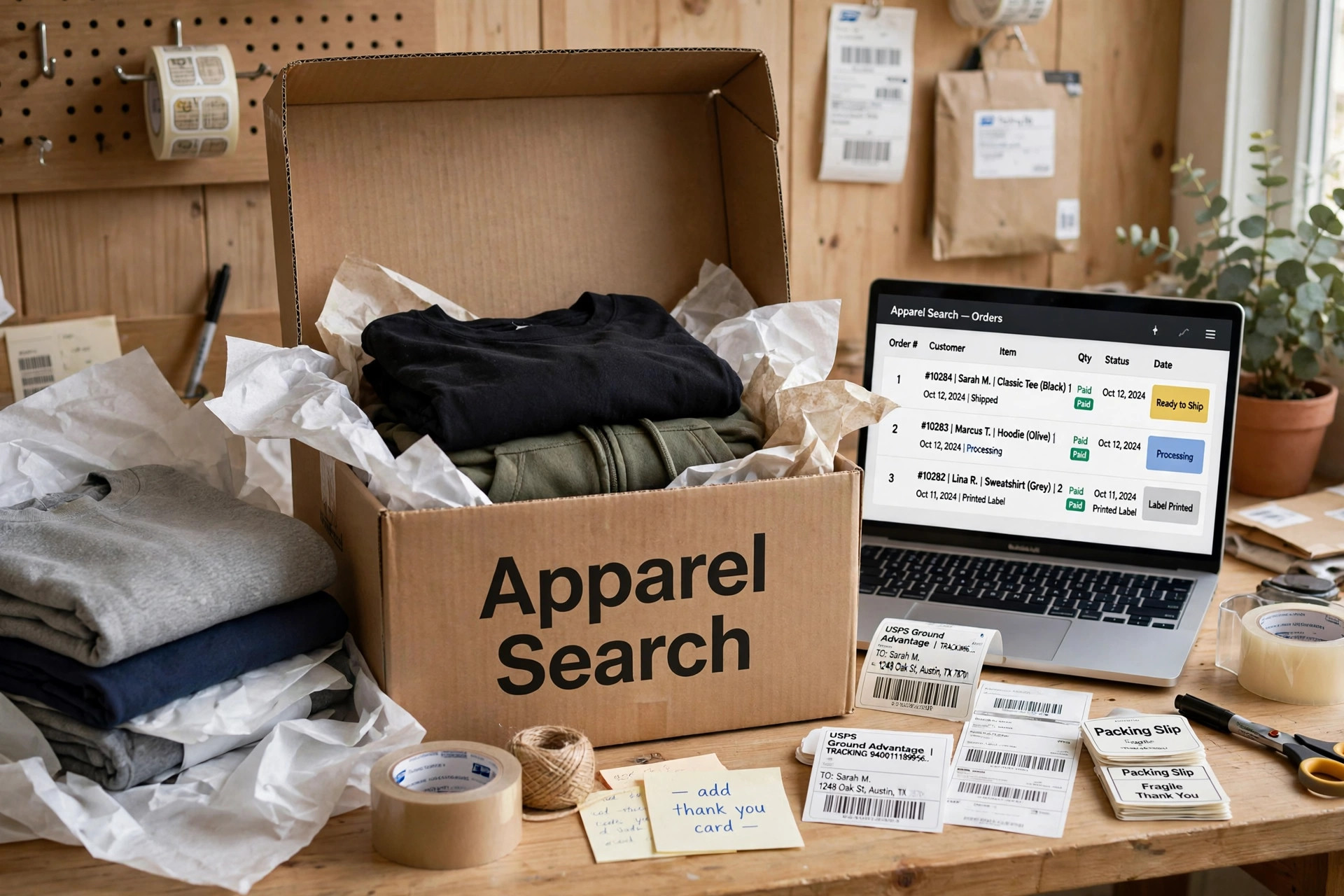
Direct selling removes the gatekeepers and the wholesale discount, and it returns something wholesale never gives: the customer's name, feedback and repeat business. Its costs are different rather than smaller — product photography, a website that converts, advertising or content to generate traffic, payment fees, pick-and-pack labor and the apparel-specific burden of size returns. Logistics and returns discipline make or break small DTC operations, and Apparel Search's dedicated guide to DTC apparel logistics and returns covers that machinery in depth.
Running Both Channels Without Breaking Either
- Protect wholesale partners: do not undercut your own stockists' retail prices on your website.
- Offer channel-appropriate exclusives — a colorway or capsule a store can call its own.
- Watch cash flow in both directions: wholesale pays late, DTC pays instantly but spends constantly on marketing.
Prepare to Sell
Common Questions
Is wholesale or DTC better for a new clothing line?
For most new lines, DTC is the easier first channel: no buyer gatekeepers, immediate payment, full margin and direct customer feedback. Wholesale becomes attractive once the product is proven and the brand wants reach, volume and the credibility of good stockists. The strongest long-term answer for many brands is both, entered in that order.
How much margin do retailers take on wholesale clothing?
The traditional structure has the wholesale price at roughly half the retail price, giving the retailer a margin to cover rent, staff, and markdown risk. Exact splits vary by category and store type, which is why a line must be costed from the start to remain profitable at the wholesale price, not just at retail.
What are the hidden costs of selling direct to consumer?
Customer acquisition is the big one — advertising or content to replace the foot traffic a store provides — followed by website and payment costs, photography, fulfillment labor, shipping subsidies and returns processing. Clothing returns, especially size-related ones, are a structural cost of DTC apparel rather than an exception.
Can I sell wholesale and on my own website at the same time?
Yes, and many brands do, but the relationship needs managing: keep your direct prices at or above your stockists' retail prices, consider exclusive colors or styles for wholesale partners, and be transparent about the arrangement. Stores drop brands that compete unfairly with them, and a good stockist is worth more than a few direct orders.
Back to the Starting a Clothing Line Guide
Most durable young brands end up in both channels eventually — the guide's point is to enter each one deliberately, at the moment it strengthens the business. The full Starting a Clothing Line guide walks the whole path — business plan, business models, manufacturers, collection planning, costs, selling channels and launch.