Madras Fabric Wholesalers
Wholesalers sit between madras mills and the brands that cut summer clothing from the plaid. This page explains how that wholesale channel works, what distributors actually stock, and how trade buyers should qualify one.
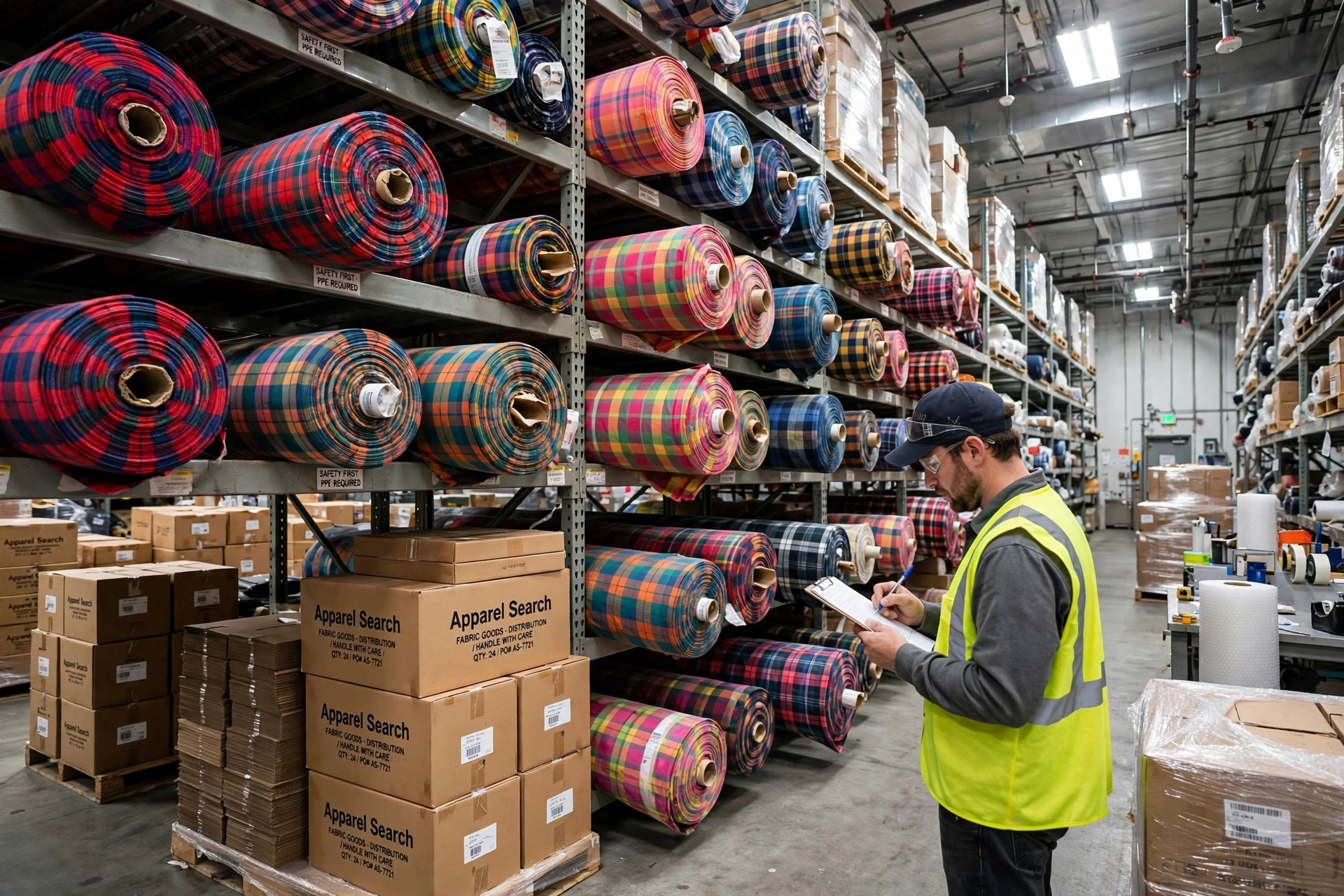
The Wholesaler's Place in the Madras Trade
A madras wholesaler, or distributor, buys woven plaid in volume from mills — frequently from producing regions in India, where the cloth originates — and resells it in smaller, workable quantities to garment manufacturers, smaller brands, uniform companies and large retailers. That middle role matters for madras because individual plaids are numerous and seasonal: few garment makers want a full mill lot of a single check, but many want a few hundred yards each of six different ones.
Good distributors therefore carry breadth. They stock running plaids across colorways, hold patchwork madras for makers who do not want to piece their own, and can often supply the same pattern across successive seasons so a brand's signature short or shirt stays consistent. In return, trade buyers should expect minimum orders per pattern, wholesale pricing tied to yardage, and lead times that reflect whether the cloth is on the warehouse floor or still to be imported.
Buying Madras at Wholesale
Start any wholesale conversation with a swatch set, not a photograph. Ask the distributor for current stock cards showing each plaid at full repeat, the fiber content and width, and whether the cloth is colorfast or a traditional bleeding style — the two behave differently in a customer's wash, and mixing them in one program creates returns. Confirm which plaids are stock-supported and which are indent-only, meaning woven or shipped to order, because their lead times differ by weeks.
Then settle the practical terms before the first cutting: minimum yards per pattern and per order, roll size, shade tolerance between rolls, and the claims window for weaving defects or off-shade goods. Madras plaids also demand pattern discipline in cutting, so ask how rolls are sequenced and whether consecutive rolls come from the same dye and weaving lot. Clear paperwork at this stage prevents the classic wholesale dispute — garments that change shade halfway through a store delivery.
Seasonality, Trade Shows and Timing
Madras is one of the most seasonal fabrics in the apparel trade. Wholesale selling concentrates in the months when brands develop and produce spring and summer lines, and distributors who miss that window carry plaid inventory through the winter. Trade buyers who order early get the full plaid selection; late buyers choose from what remains. Planning a madras program therefore starts a full season ahead, with approvals of plaid, hand and wash behavior completed before bulk yardage is committed.
Many buyers first meet madras suppliers at a textile industry trade show, where distributors show full plaid ranges and can discuss mill capacity face to face. Shows are also useful for comparing how different suppliers finish the same style of plaid. Whether you source at a show or from a warehouse, follow up with written specifications — in wholesale, the confirmed swatch and the written order, not the conversation, are what a claim will be judged against.
Checking a Distributor Before You Commit
A distributor's reliability shows in small things: swatches that match the bulk cloth, honest answers about which plaids are running low, and prompt notice when a shipment slips. Ask for references among garment makers, place a trial order in one or two plaids before committing a full program, and inspect incoming rolls at the piece-goods stage, checking shade roll to roll and measuring usable width. The original guide noted that supplier directories of madras sellers can widen your search, but directory presence is a starting point for research, never a substitute for it.
If you know of additional madras wholesalers that should be added to this section, please let us know — verified trade listings make this guide more valuable. For background on how fabric moves through the trade generally, see the wholesale fabric guide on Apparel Search, and learn more about the wider textile industry in our directory.
Common Questions
What does a madras wholesaler do?
A wholesaler buys madras plaid in volume from mills and resells smaller quantities to garment makers, brands and large retailers, holding stock across many plaids and colorways so buyers do not need to take a full mill lot of one pattern.
Why does madras sourcing need early timing?
Madras is highly seasonal. Distributors stock for the spring and summer garment calendar, so buyers who approve plaids and place orders a season ahead get the full selection and the most reliable lead times.
What should a wholesale madras order specify?
The confirmed plaid swatch, fiber content, width, colorfast or bleeding style, minimums, roll size, shade tolerance between rolls, and the claims terms for defects — all in writing before bulk yardage ships.
More to Explore
References & Further Reading
Looking for Fabric Mills and Suppliers?
Place madras in the wider trade through the Apparel Search fabric directory and the Fabric Search hub.