Yarn Prices: Guide to Yarn Pricing
Welcome to the yarn hub of Fabric Search. From here you can learn what yarn is, follow textile pricing links, and move into the price guides for cotton, wool, nylon, polyester and silk yarns, organised so a buyer can go from a definition to a quotation source in a few clicks.
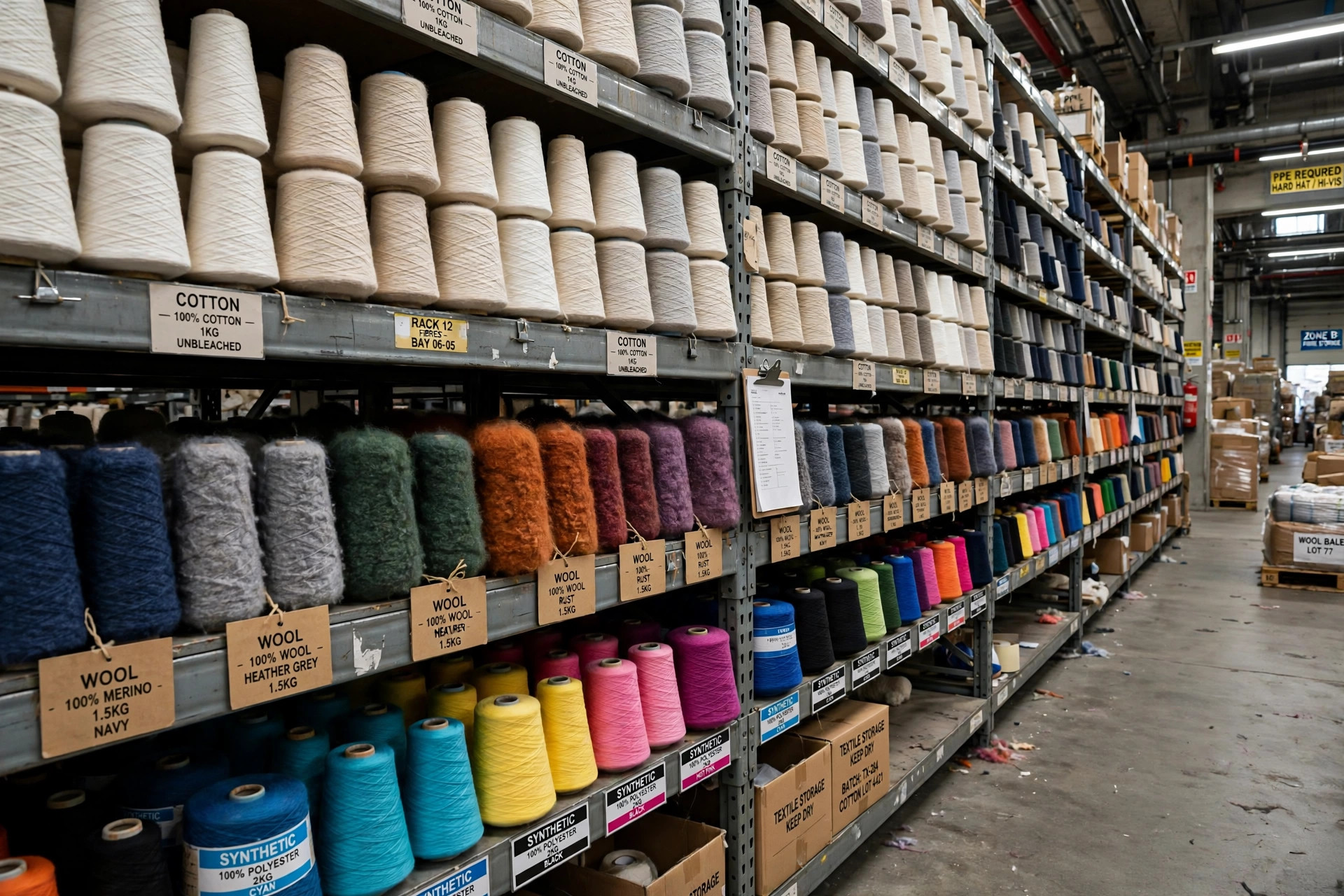
Start With What Yarn Is
Yarn is a long continuous length of interlocked fibres, suitable for use in the production of textiles, sewing, crocheting, knitting, weaving, embroidery and ropemaking. Thread is a type of yarn intended for sewing by hand or machine, and embroidery threads are yarns specifically designed for hand or machine embroidery. The Yarn Defined page in this section walks through the full picture: spun yarn made by twisting staple fibres together, filament yarn made from long continuous fibres, plies, S-twist and Z-twist, and the blends that combine natural comfort with synthetic strength.
Understanding that structure matters before any talk of price. A quotation only makes sense against a construction, because a combed, ring-spun, plied yarn and a coarse open-end single are both legitimately called yarn while serving different fabrics at different costs. New visitors do best to read the definition first, note the vocabulary for fibre, count, ply and spinning method, and then carry that vocabulary into the pricing pages, enquiries and supplier conversations that follow from here.
The Pricing Pages in This Section
The Yarn Prices page explains the central difficulty of this market: there are no futures contracts in cotton yarn, no public trading data, and a range of yarn types and qualities far wider than the range for raw fibre. Prices are therefore reported by trade publications and market services rather than posted by an exchange, and much of the world's yarn is never sold as yarn at all, because the producing company weaves or knits it into cloth first. That page links the main reporting services, official Indian price sheets and live rate sources buyers rely on.
Alongside it, the Textile Pricing Links and Textile Links pages widen the view to the fibres and markets around yarn. Cotton, wool, nylon, polyester and silk prices all feed into yarn quotations, because yarn is fibre plus spinning work, and a movement in the fibre market shows up in yarn offers soon after. Following both the yarn-specific sources and the surrounding fibre price pages gives a fuller, more reliable sense of direction than either set of links can give alone.
Price Guides by Fibre
Each major fibre has its own yarn price guide in Fabric Search, and this hub links them together: cotton yarn prices, wool yarn prices, nylon yarn prices, polyester yarn prices and silk yarn prices. The split is practical, not academic. Cotton yarn pricing follows the cotton market and Indian reporting in particular, wool yarn follows a smaller, quality-driven fibre trade, and synthetic yarns such as nylon and polyester track petrochemical-based filament and staple markets with their own reporting services and seller networks.
A buyer working in one fibre can go straight to that guide, while a buyer comparing fibres for the same fabric will find the hub the fastest route between them. Keep the specification constant when comparing across fibres: similar count, similar construction and similar quantity, so the comparison shows the real fibre difference rather than a difference in spinning or finishing. The guides collect external reporting services and marketplaces; the final price for an order is always confirmed with the seller for the exact yarn required.
Finding Yarn Suppliers
Pricing is only half of sourcing. Once a specification and a fair price range are clear, the next step is finding mills and manufacturers that actually produce that yarn, in the quantity and put-up required. Apparel Search maintains a yarn factory and manufacturer directory in its main directory, linked from this section, where yarn producers can be researched by fibre and product type. Supplier listings there complement the price research here: one side establishes what a yarn should cost, the other establishes who can supply it.
Whether the end use is weaving, knitting, sewing thread or embroidery, the route through this hub is the same: define the yarn, check how its price is reported, compare the fibre-specific guides, and only then approach suppliers with a complete specification. That order prevents the most common sourcing mistake, which is collecting prices for yarns that turn out not to match the fabric being made. Suggestions for additional yarn and pricing resources are welcome, and helpful sources are added to these pages as they are verified.
Photos

More to Explore
References & Further Reading
Looking for Fabric Mills and Suppliers?
This hub is one part of the Fabric Search directory; explore the full fabric section on Apparel Search for fabric mills, stores and wholesalers beyond yarn.