Polyester Yarn Prices
Polyester yarn is where fiber economics become a mill buying decision, quoted by yarn type, denier or count and finish. This page explains the main yarn forms behind the prices and how to use yarn market reports well.
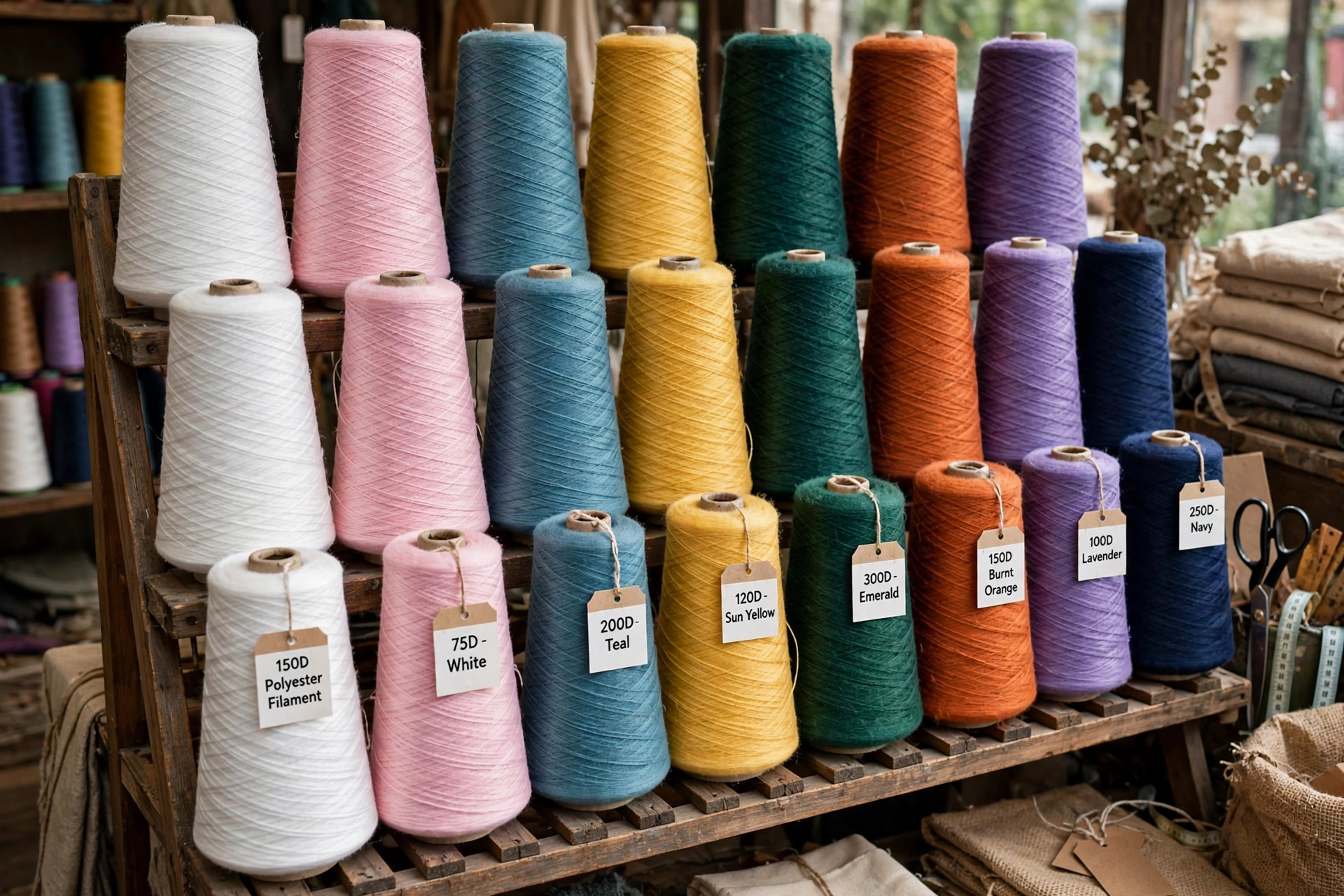
The Yarn Forms Behind the Prices
A polyester yarn price always belongs to a named form. Filament yarns run continuous: POY, partially oriented yarn, is mainly an intermediate sold for texturing; FDY, fully drawn yarn, goes straight into weaving and knitting; DTY, drawn textured yarn, has been given bulk and stretch and fills apparel fabrics, linings and sportswear. Each form is specified by denier and filament count, and luster from bright to full dull, so a price quoted without those details is a headline, not an offer you can cost a fabric from.
Spun polyester yarn is the other family, made by spinning staple fiber on cotton or worsted style systems and quoted by count, like its natural fiber cousins. It serves shirtings, trouser fabrics, sewing threads and blends with cotton or viscose. The original version of this page linked three complementary sources, Fibre2Fashion polyester filament yarn price trends, Yarns and Fibers filament yarn coverage, and an Alibaba yarn showroom, and those sources remain in the references: two market reporters for trend, one marketplace for live seller offers.
What Moves a Yarn Price
Yarn prices inherit the fiber market beneath them and add conversion. When staple fiber or filament feedstock rises, yarn follows, but not instantly and not uniformly: large integrated producers who make their own polymer pass changes through on a different rhythm from independent spinners buying fiber at market. Texturing, drawing, twisting, dyeing and winding each add cost layers, so a dyed DTY and a raw white POY can sit far apart even on the same day in the same region, without either price being wrong.
Specification choices move prices as surely as markets do. Finer deniers cost more to draw, high filament counts cost more to produce, and intermingled, twisted or dope dyed yarns all carry their processes in the quote. Quantity and packaging matter too: full truckload cone orders and small mixed lots are different products commercially. When comparing yarn prices from a report with a supplier quote, align form, denier or count, luster, dye state, quantity and delivery basis first, and only then judge the gap.
How Mills and Garment Buyers Use Yarn Reports
Weaving and knitting mills use yarn price reports as their costing backbone. A mill quoting fabric multiplies yarn consumption by the current yarn price, adds weaving or knitting, dyeing and finishing, and sets a validity window tied to yarn volatility. When a buyer pushes on a fabric price, the yarn report is the shared evidence both sides consult. Garment buyers use the same reports one step removed, sense checking whether a fabric increase truly follows the yarn market or simply follows the calendar.
Timing is the second use. Yarn is storable in a way finished fashion fabric is not, so mills and larger garment makers sometimes forward buy core yarns when reports show a dip, covering a season program at a known cost. That only works for running qualities in standard specifications, which is another reason core programs stick to standard deniers and counts. For the fiber background behind these yarns, see About Polyester Fibers on Apparel Search, and keep yarn news in view through the polyester news directory linked from the hub.
Getting a Yarn Quote You Can Rely On
Ask for yarn quotations the way price reports are written: form, denier or count, filament count or ply, luster, raw white or dyed, cone size, quantity per item and delivery point, with the quote validity stated. A supplier who answers in those terms can be compared line by line with the published trend and with rival quotes. A supplier who will only discuss a single blended number is asking you to buy blind, and in yarn, small specification drifts change fabric hand and appearance as surely as price.
Keep a simple yarn log for the qualities you run: the report figure, your quoted price and your invoice price, week by week. Patterns emerge quickly, including which suppliers follow the market down as faithfully as up. That record is worth more in a negotiation than any single report, because it is your market, in your specifications, at your volumes. The pricing resources gathered on this page start that habit; your own log is what turns it into leverage.
Common Questions
What do POY, FDY and DTY mean in polyester yarn prices?
POY is partially oriented yarn, mainly an intermediate for texturing. FDY is fully drawn yarn ready for weaving or knitting. DTY is drawn textured yarn with bulk and stretch added. Each is priced separately by denier, filament count and luster.
Why does the same polyester yarn cost different amounts from different suppliers?
Suppliers differ in whether they make their own polymer and fiber, in specification details such as denier, dye state and twisting, and in quantity and delivery terms. Align the full specification before comparing the numbers.
Can a garment buyer use yarn price reports directly?
Yes, as a check on fabric quotations. Yarn is the largest cost inside most polyester fabrics, so a published yarn trend helps a buyer judge whether a fabric price move follows the raw material market.
More to Explore
References & Further Reading
Looking for Fabric Mills and Suppliers?
Follow the chain up or down from the Fabric Search hub, or use the Apparel Search fabric section for yarn, fiber and fabric background.