Polyester Resin Prices
Polyester resin names two related but distinct markets: the PET polymer that becomes textile fiber, and the liquid unsaturated resin used with fiberglass. Knowing which resin you mean is the first step to reading any resin price.
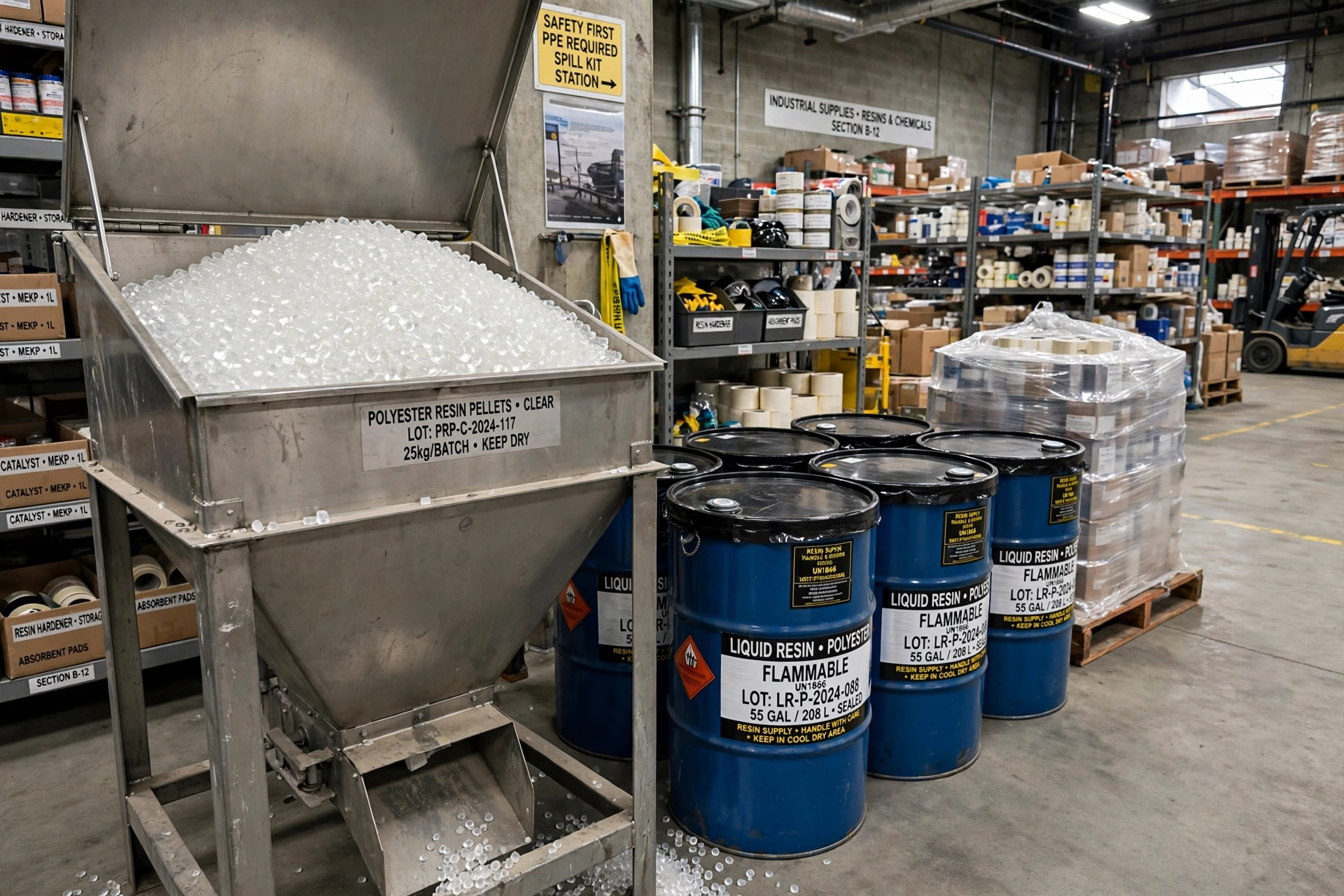
Two Resins Behind One Name
Textile readers usually mean PET resin: the solid polyester polymer, supplied as pellets or chips, that fiber plants melt and extrude into staple fiber and filament yarn. Its price belongs to the petrochemical chain and is assessed by chemical market reporters alongside the feedstocks it is made from. When a fiber producer quotes staple fiber, the resin cost is the largest single ingredient, which is why textile buyers watch resin markets even though they never buy a bag of polymer themselves.
The second market is unsaturated polyester resin, a liquid resin that hardens with a catalyst and is combined with glass fiber to make fiberglass composites, molded parts, tanks, boats and cultured marble. It is sold by drum or bulk through composite suppliers, priced by grade and formulation rather than as a commodity pellet. Both markets are covered below, with links to a composite supplier, a resin pricing service and marketplace listings. The sections that follow explain which source fits which resin.
How PET Resin Pricing Works
PET resin and chip prices are assessed regionally by services such as ICIS, using standard specifications and reporting from producers and large buyers. The drivers are the feedstock pair behind polyester, purified terephthalic acid and monoethylene glycol, plus plant operating rates and demand from the two giant outlets for PET: fiber production and bottle resin. A strong bottle season can tighten the same polymer pool that fiber plants draw from, which is one reason textile fiber prices sometimes rise on news that seems to belong to the drinks industry.
For a textile buyer, the correct use of a resin price is directional. Track the trend in your region, note how your fiber and yarn suppliers have historically passed resin moves through, and keep the lag in mind when costing garments for future delivery. Resin assessments are published for standard large-volume terms; your supplier contract price will differ by volume, delivery and relationship. The figure tells you where the negotiation starts, not where your invoice must land.
How Unsaturated Resin Pricing Works
Unsaturated polyester resin is a formulated product, so its pricing behaves more like a specialty chemical than a commodity. Grades differ by reactivity, viscosity, flexibility, corrosion resistance and whether they are orthophthalic or isophthalic, and suppliers price by grade, package size and quantity. Retail and small workshop buyers meet this resin through composite suppliers selling by the gallon or drum with catalyst, while industrial molders negotiate contract pricing. A published list price from a supplier is a real buying figure for small quantities in a way a PET assessment never is.
US Composites, listed below, shows workshop and industrial buyers a concrete retail structure for resin, hardener and related materials. Marketplace showrooms, also linked in the references, show the export offer side of the same market. Compare resin prices only within the same grade family and package basis, and always include the catalyst and freight, because liquid resin is heavy and hazardous-rated shipping can change the cheapest headline into the dearest delivery.
Choosing the Right Resin Price Source
Match the source to the resin. For PET polymer, use a chemical pricing service with a stated specification and region, and read its trend rather than a single week. For unsaturated resin, use supplier catalogs and quotations for the exact grade you mold with, and treat marketplace listings as an export price check. IDES, a resin pricing data service for the plastics industry, covered the secondary market. Surplus and secondary resin trades at a discount, and its grade and condition need separate verification.
Whichever resin you buy, record the basis of every price you collect: grade, form, quantity, package, delivery terms and date. Resin prices quoted without those five facts cannot be compared next month or defended in a costing meeting. With them, the two markets covered here — textile polymer on one side and composite resin on the other — become a practical shelf of sources, each used for the job it actually prices.
Polyester Resin Supplier in This Directory
The listing below profiles US Composites, a composite materials supplier.
US Composites
Composite materials supplier whose polyester resin page presented resins for fiberglass and molding work, sold with the catalysts and related supplies those applications require.
Common Questions
Is textile polyester resin the same as fiberglass resin?
No. Textile polyester is PET polymer supplied as solid chips or pellets and melted into fiber. Fiberglass work uses unsaturated polyester resin, a liquid that hardens with catalyst around glass reinforcement. They are priced and sold completely differently.
Why would a fiber buyer follow PET resin prices?
Resin is the largest cost inside polyester fiber, so resin trends predict fiber and yarn price moves. Following the resin market gives buyers early warning and a factual basis for supplier price discussions.
What should be recorded with any resin price?
The grade and form, quantity and package size, delivery terms, region and date. Without that basis, two resin figures cannot be compared fairly or reused in later costing.
More to Explore
Looking for Fabric Mills and Suppliers?
See the other stages of the chain from the Fabric Search hub, or explore the Apparel Search fabric section for fiber, yarn and fabric guides.