Calvin Klein Menswear
The men's Klein wardrobe — tailoring, denim and underwear, all cut to one clean line.
The men's wardrobe was there at the beginning: Calvin Klein Limited opened in 1968 as a coat shop, and its first collection was a line of men's and women's coats shown at Bonwit Teller. Menswear has remained half the label's foundation ever since — tailoring, shirts and knitwear in the clean register, and beneath them the two categories that carried the name worldwide: designer jeans and underwear. This page treats the men's side of his record.
The search routes in the references run Calvin Klein men's fashion news, photo and video searches. Pair this page with the womenswear page for the wardrobe's other half, and with the collections page for both sides filed season by season. The official Calvin Klein website is linked in the references.
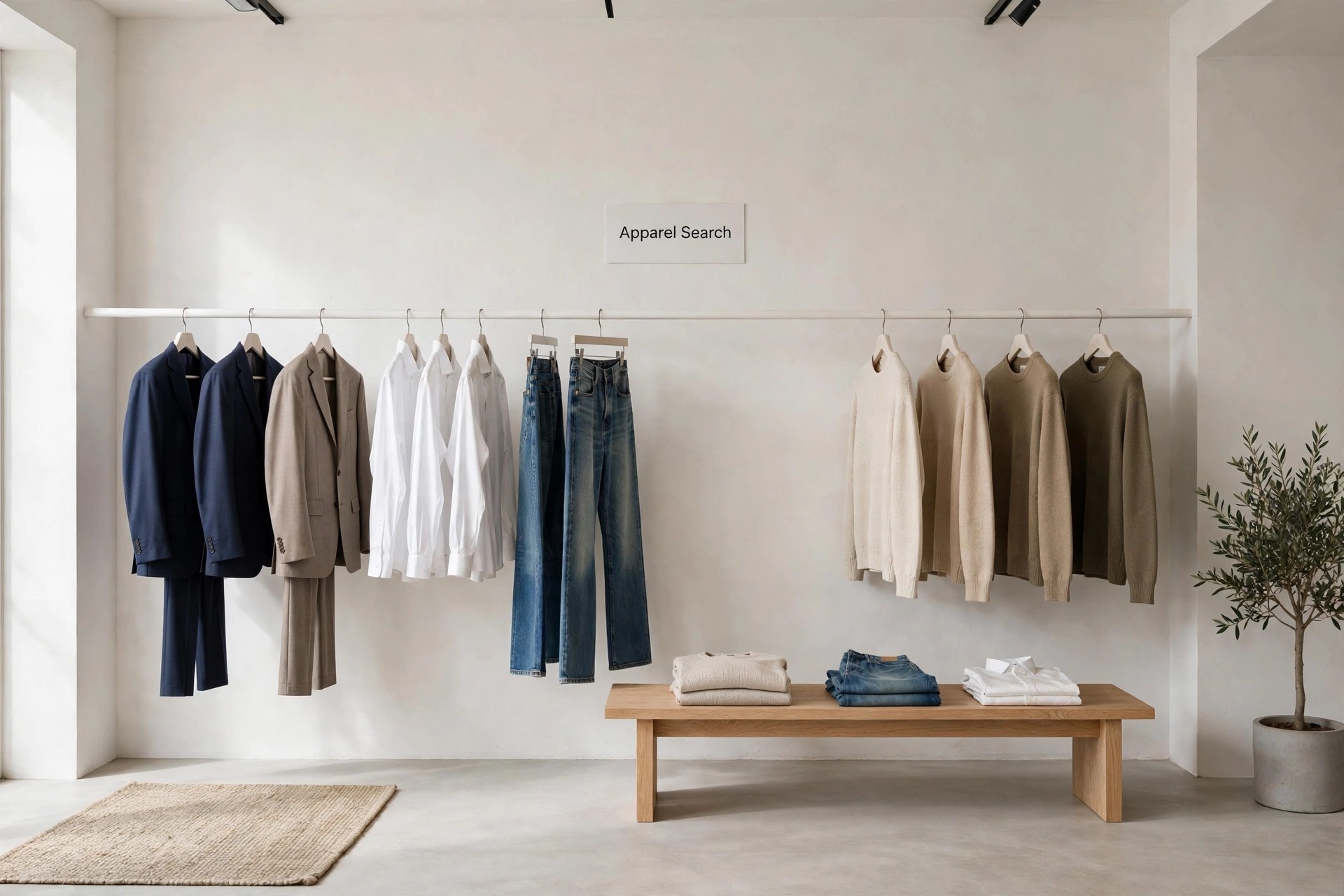
Illustrative image created for this guide — an artistic impression, not this designer's own garments.
News, Photos & VideoCollectionsDressesFall FashionsFashion WeekMenswearNewsProfilesRunwaySpring FashionsWomenswear
Tailoring Without Ornament
Klein menswear tailoring makes its argument the way all his clothes do: by subtraction. A suit is a shoulder, a lapel and a length of good cloth, kept neutral and cut clean; a coat is a single line drawn correctly. The menswear photographs in the Photos section show the register across the wardrobe — the tailored pieces and the casual staples share one discipline, which is why the label can dress a man head to toe without a change of accent.
That coherence is the commercial point as well as the aesthetic one. Jeans, underwear, fragrance and tailoring all draw credibility from the same standard, and the menswear page is where the standard can be inspected at its most conservative: men's clothing changes slowly, so small decisions — a collar, a rise, a hem — carry the whole design.
The Staples That Made the Name
Two menswear categories outgrew the wardrobe itself. The designer jeans of the late 1970s turned a work garment into a fashion statement with the designer's name across the pocket, and the underwear line made minimalism into advertising history. Both began as menswear staples cut to the house discipline; both are part of why the menswear record matters beyond the suits.
Read with the profiles page — the career from the 1968 coat shop forward — this page shows the men's half of the proposition that built one of America's defining labels.
Photos


Common Questions
What does Calvin Klein menswear include?
The full men's wardrobe in his minimal register: tailored suits and coats, shirts, knitwear and trousers, the designer jeans that made the name a phenomenon, and the underwear line that became a cultural fixture.
What characterizes his menswear design?
Reduction. Neutral palettes, clean construction and clothes cut close to the body — the same discipline he applies to womenswear, expressed through the staples of the men's wardrobe.
Where is his womenswear covered?
On the womenswear page in this series, which treats the women's wardrobe whole — dresses, tailoring and the lines between. The collections page files both sides season by season.