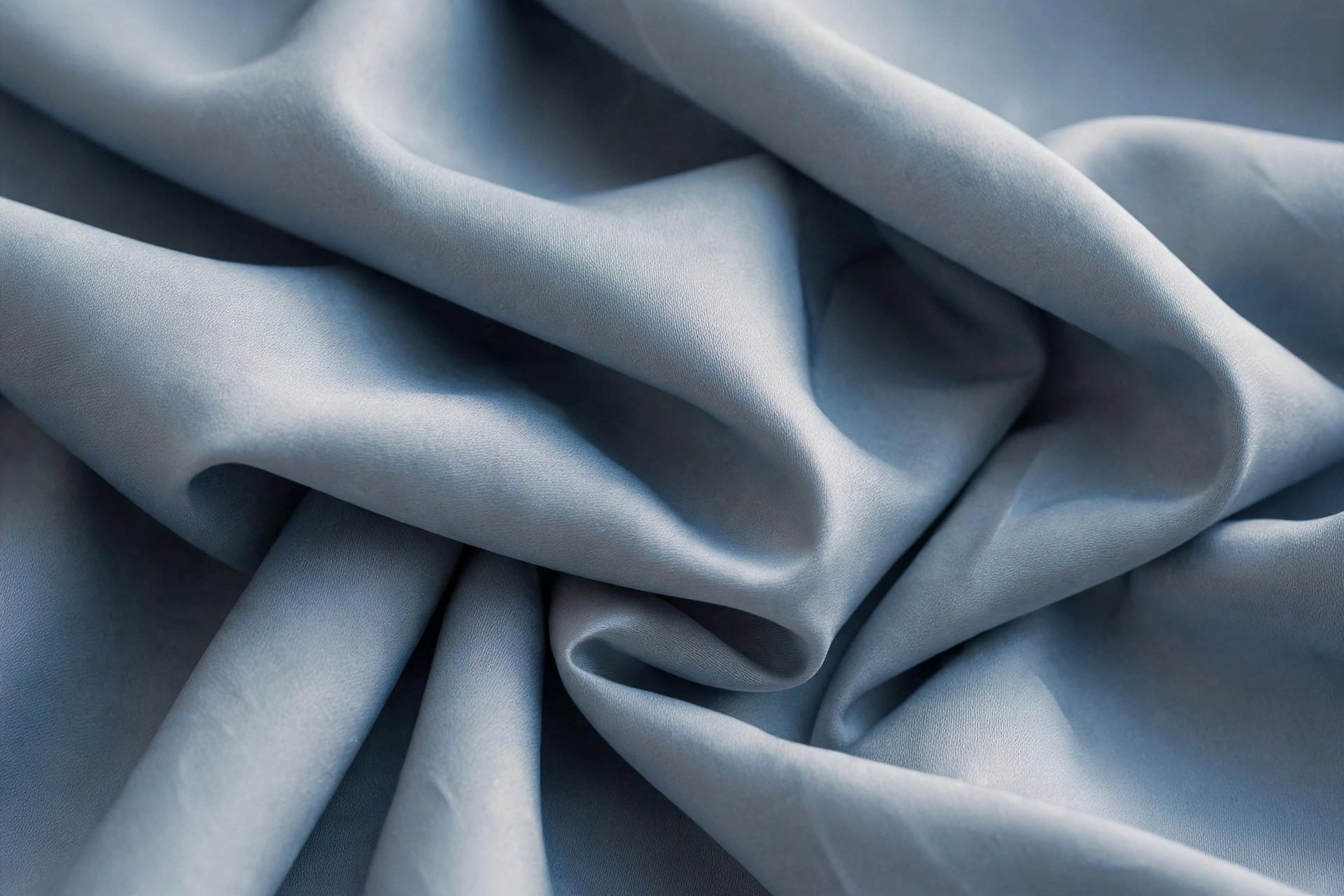
Dacron is DuPont's trademarked brand name for its polyester fiber, introduced in the early 1950s. The name became so widely used that "dacron" is often heard as a generic word for polyester textile fiber.
The Story of Dacron
Dacron grew out of British research into polyethylene terephthalate - the fiber first marketed in England as Terylene. DuPont acquired the U.S. rights and launched its own version as Dacron in 1951. It arrived at exactly the right moment: postwar consumers were hungry for fabrics that washed easily, dried quickly, and needed little or no ironing. "Wash and wear" and "drip-dry" became selling points, and Dacron led the charge.
What Dacron (Polyester) Does
- Wrinkle resistance - garments hold their shape and shake out wrinkles far better than cotton alone
- Strength and durability - polyester fiber is strong, abrasion-resistant, and keeps its strength when wet
- Quick drying - absorbs very little moisture, so it dries fast
- Crease and pleat retention - heat-set pleats and creases stay put through washing
- Blends beautifully - mixed with cotton, wool, or rayon to combine easy care with natural-fiber comfort
Where You'll Find It
Dacron-type polyester is everywhere in apparel: blouses, shirts, suits, linings, and outerwear, usually in blends. Beyond clothing it fills pillows and quilts (fiberfill), covers upholstery, and serves industrial uses from tire cord to sailcloth. If a garment promises easy care, there is a good chance polyester - the fiber Dacron made famous - is doing the work.
FAQs
- Is Dacron the same as polyester?
- Dacron is a brand of polyester fiber made by DuPont. All Dacron is polyester, but not all polyester is Dacron - many companies make polyester under their own names.
- Who invented Dacron?
- The underlying fiber chemistry was developed in Britain (marketed as Terylene); DuPont commercialized its own version in the United States under the Dacron trademark in 1951.
- Why was Dacron considered revolutionary?
- It delivered "wash-and-wear" performance - drip-dry shirts and wrinkle-resistant suits - that natural fibers of the era could not match, changing how people cared for clothes.
- Is Dacron still used today?
- The trademark endures, though most consumers now just say "polyester." The fiber itself is more widely used than ever, especially in blends and performance fabrics.
Glossary: see the full fashion glossary for more apparel industry terms.