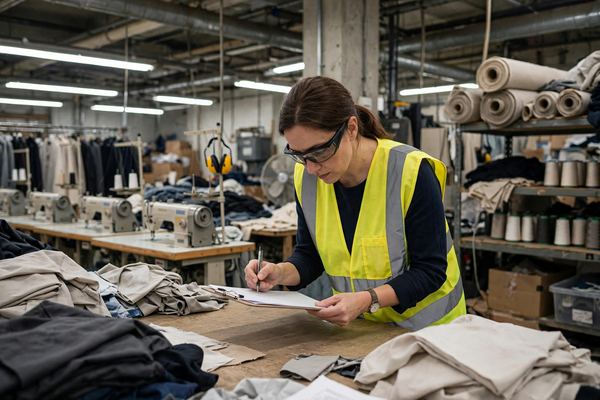
A factory audit is an inspection of a manufacturing facility - covering production capability, quality systems, labor conditions, and environmental compliance - before (or during) doing business with them.
Types of Audits
- Technical/capability audit - can they actually make your product? Checks machinery, skills, and capacity
- Quality systems audit - do they have documented QC processes, and do they follow them?
- Social compliance audit - labor conditions, working hours, wages, fire safety
- Environmental audit - wastewater, chemical handling, emissions, permits
What Auditors Check
Auditors walk the floor examining machinery and maintenance, review capacity against your order volumes, interview workers about conditions and hours, inspect fire exits and safety equipment, verify wage and time records, and check environmental permits and chemical storage.
After the Audit
Findings go into a corrective action plan (CAP) with deadlines. Minor issues get fixed and re-verified; some buyers require specific certifications (like WRAP or BSCI) as the ongoing proof. Critical failures - child labor, locked fire exits - can end the relationship immediately.
FAQs
- Who performs factory audits?
- Third-party firms (like Bureau Veritas, SGS), or the brand's own compliance team.
- How often should factories be audited?
- Annually is common; high-risk regions or new factories more often.
- What happens if a factory fails?
- Corrective action plan with deadlines. Critical failures (child labor, safety) can end the relationship immediately.
Glossary: see the full fashion glossary for more apparel industry terms.