The Man-Made Fibre Industry in Western Europe
A Textiles Intelligence research report on West European fibre producers under import pressure, and their strategies in response
Western Europe's man-made fibre industry supplies a large single European market, but a growing proportion is supplied by fibre imports. Rapid growth in imports of fabrics and garments is causing many of the fibre industry's long-established customers — European textile and garment mills — to close down. Efforts by West European producers to expand exports outside the region are hampered by burgeoning capacity growth in East and South East Asia. This Textiles Intelligence report examines the response of producers who have formed joint ventures with other European companies and with major players in the USA and the Far East, describes the actions being taken by producers to increase profits in an increasingly hostile environment, charts the fast expanding internationalisation strategies being deployed by the leading producers, and contains forecasts of future production and consumption in the region. A related report on the internationalisation of European textiles and clothing production is linked from this page.
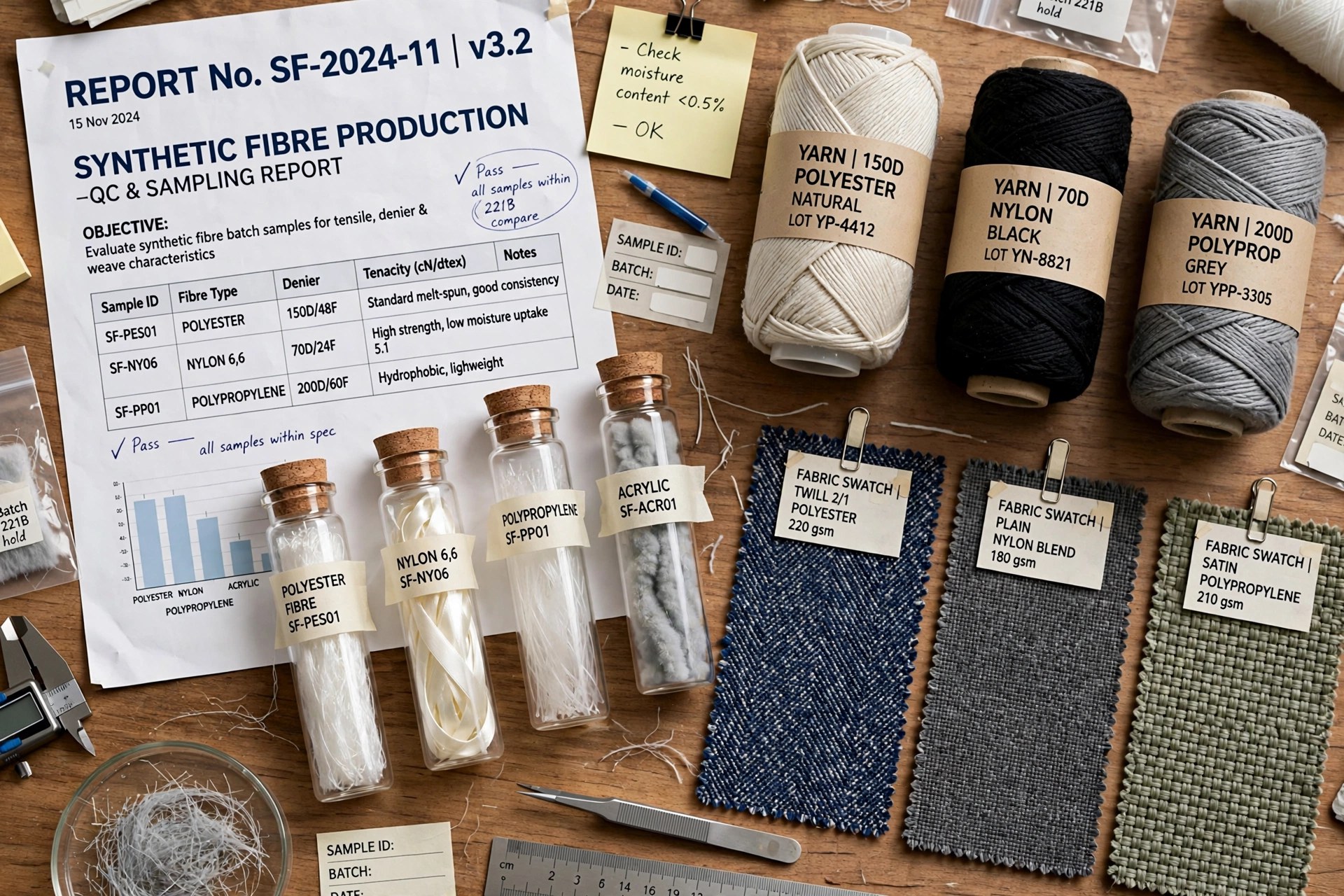
Pressure From Every Direction
The report's diagnosis is three-sided. From inside the single market, fibre imports take a growing share of supply. From downstream, rapid growth in imports of fabrics and garments closes the European textile and garment mills that are the fibre industry's long-established customers, shrinking demand at home. From outside, burgeoning capacity growth in East and South East Asia hampers West European producers trying to expand exports beyond the region. Chapter 2 sets out the changing structure behind that diagnosis: worldwide trends in man-made fibre production, trends by geographical region and fibre type, availability of technology, capacity reductions in Western Europe, restructuring in recent years, future trends in production capacity, fibre prices, and the outlook for Western Europe. Chapter 3 adds production and consumption in detail, with fibre exports and imports, consumption trends and consumption forecasts.
Producer Profiles and Company Strategies
Chapters 5 to 17 profile the producers: Akzo, Bayer, Courtaulds, Danaklon, Du Pont, Hoechst, ICI, Kemira Fibres, Lenzing, Montefibre-Enichem Group, Moplefan, Rhone-Poulenc and Snia. Each profile covers the group, its fibre production and products, research and development, and its strategy or outlook. Chapter 23 then collects the views of the industry leaders company by company, and Chapter 24 draws the strategy lessons together as a menu of responses: withdraw from fibre production, exit from non-core fibre businesses, close or sell some sites, cut costs, get bigger, form a joint venture company, asset swap, or change the product portfolio. The joint ventures examined in the report — with other European companies and with major players in the USA and the Far East — are the internationalisation strategies of the title theme in their most concrete form.
End Uses, Machinery and Forecasts
Three chapters follow fibre consumption into its markets: trends in apparel, covering the story of stretch, microfibres, a changed hosiery market, the viscose boom and acrylic fibre gloom; trends in home textiles, covering the carpet market, flame retardant textiles, curtain and drape fabrics and fibrefill products; and trends in industrial textiles, covering high performance fibres, high tenacity yarns and nonwoven fabrics. A chapter on new man-made fibre machinery technology covers suppliers of complete plants and of machinery, recent advances and future developments. The report closes with addresses of West European fibre producers and a glossary, and its forecasts of future production and consumption give fibre producers, their mill customers and their suppliers a shared basis for planning in a hostile environment.
Common Questions
What pressures faced Western Europe's man-made fibre industry?
A growing proportion of the single European market was supplied by fibre imports; imports of fabrics and garments were closing the European mills that were the fibre industry's customers; and capacity growth in East and South East Asia hampered export expansion outside the region.
What strategies does the report examine?
Joint ventures with other European companies and with major players in the USA and the Far East, internationalisation by the leading producers, and a strategy menu running from withdrawal and site closures to getting bigger, asset swaps and changing the product portfolio.
Which end-use trends are covered?
Apparel — stretch, microfibres, hosiery, the viscose boom and acrylic gloom; home textiles — carpets, flame retardant textiles, curtains and fibrefill; and industrial textiles — high performance fibres, high tenacity yarns and nonwovens, with production and consumption forecasts for the region.