Garment Costing Guide · Landed Cost
Landed Cost for Apparel Imports
The FOB price is where a garment's cost starts, not where it ends. Everything the journey adds — and how to count it before you commit.
In the Garment Costing Guide, every page before this one built the price of a garment at the factory door. But no retailer sells garments at a factory door in another hemisphere. Between the FOB price and the garment's arrival in your warehouse sits a chain of freight, insurance, tax and handling charges that commonly adds 20 to 35 percent — and that chain is the landed cost. Importers who price from FOB alone are not running a margin; they are running a surprise, delivered one invoice at a time.
The discipline is simple to state: build the landed cost per garment before the order is placed, using the same bottom-up method as the cost sheet, and let that number — not the factory's quote — drive the pricing decisions in our margins guide.
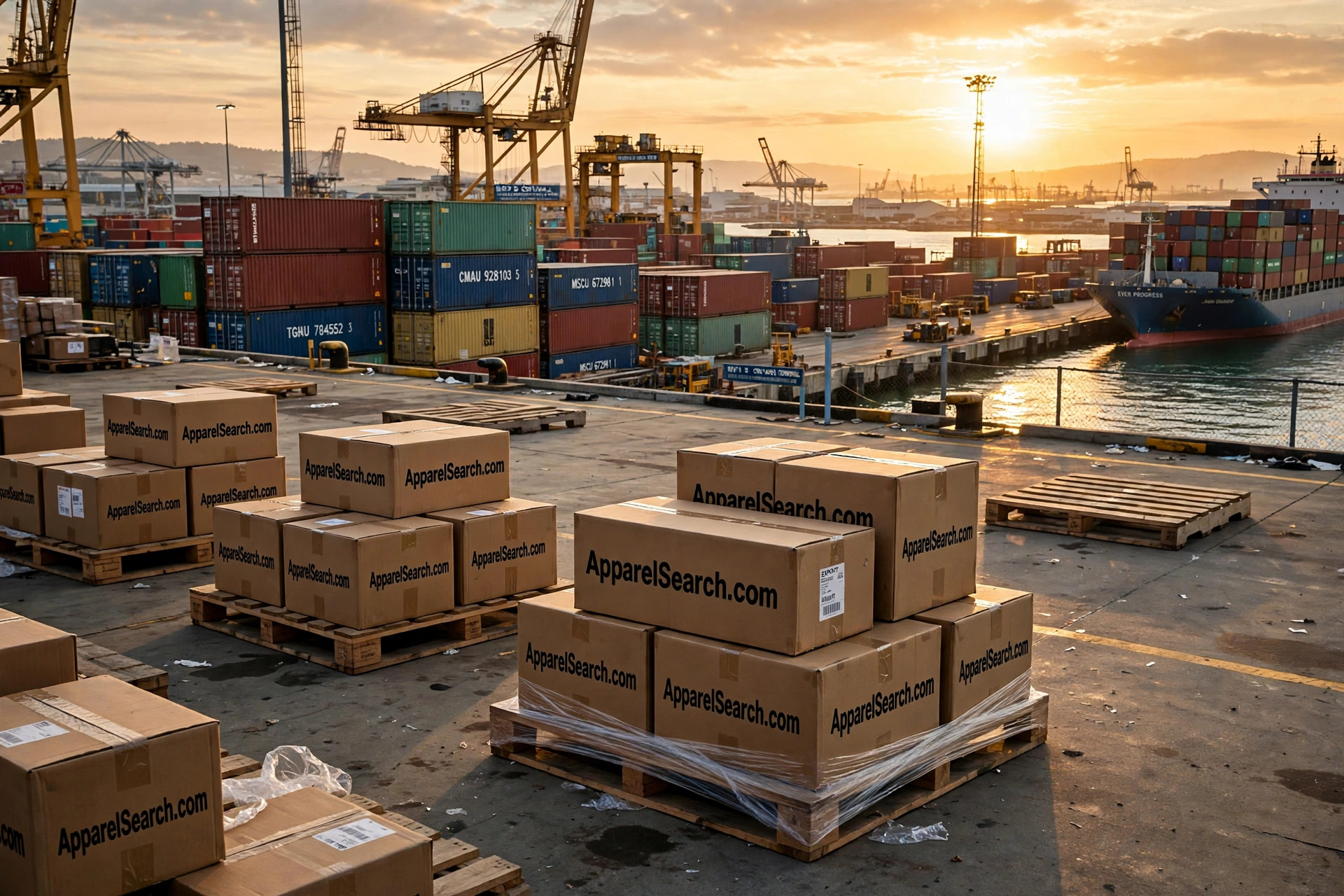
The Landed Stack, Layer by Layer
- FOB price. The garment itself, complete and boxed at the port of export — the output of the whole costing process in this series.
- International freight. Ocean or air carriage to the destination port, allocated per garment from the container or shipment total. Freight is bought by volume as much as weight, so bulky garments (puffers, fleece) carry more freight per unit than dense ones — and the sea/air decision on a late order can double this line overnight.
- Marine insurance. A small percentage of the goods' value covering loss or damage in transit. Small, that is, until the shipment it saves is yours.
- Import duty. Usually the largest single addition. Duty is an ad valorem percentage of the customs value — in the US, generally the FOB-based transaction value — and the rate depends on the garment's fiber content, construction and country of origin, and on any trade preference program the shipment qualifies for. Apparel rates are among the highest in the tariff schedule, from a few percent to over 30 percent on some synthetic garments, so this line must be researched per style, never assumed. Our Customs & Import Guide is the starting point for rates and rules by country.
- Brokerage, port and clearance charges. The customs broker's entry fee, port handling, merchandise processing and harbor fees where they apply, and delivery (drayage) from port to warehouse — each divided across the shipment's units.
- Quality and compliance charges. Third-party final inspection, laboratory testing the buyer commissions, and any re-work or air-freight rescue the shipment ends up needing belong in an honest landed figure. The scope of that testing — and its standards — is covered in our Textile Testing & Quality Standards Guide.
A Worked Example: The $11.06 Shirt, Landed
Take the woven shirt costed in our cost sheet example at an FOB price of $11.06, shipped by sea in a consolidated container:
FOB price: $11.06 · Ocean freight share: $0.85 · Insurance: $0.06 · Duty at 16.5% of FOB: $1.82 · Brokerage, port & delivery share: $0.22
Landed cost per shirt: $14.01 — 27 percent more than the factory price, before the garment has earned a cent.
Notice what drives the total. Duty alone is $1.82 of the $2.95 added, and it was fixed by decisions made months earlier — where the garment is made and what it is made of. That is why experienced importers cost the landed figure during development, while origin and fabric are still choices, rather than at the shipping dock, where they are merely facts.
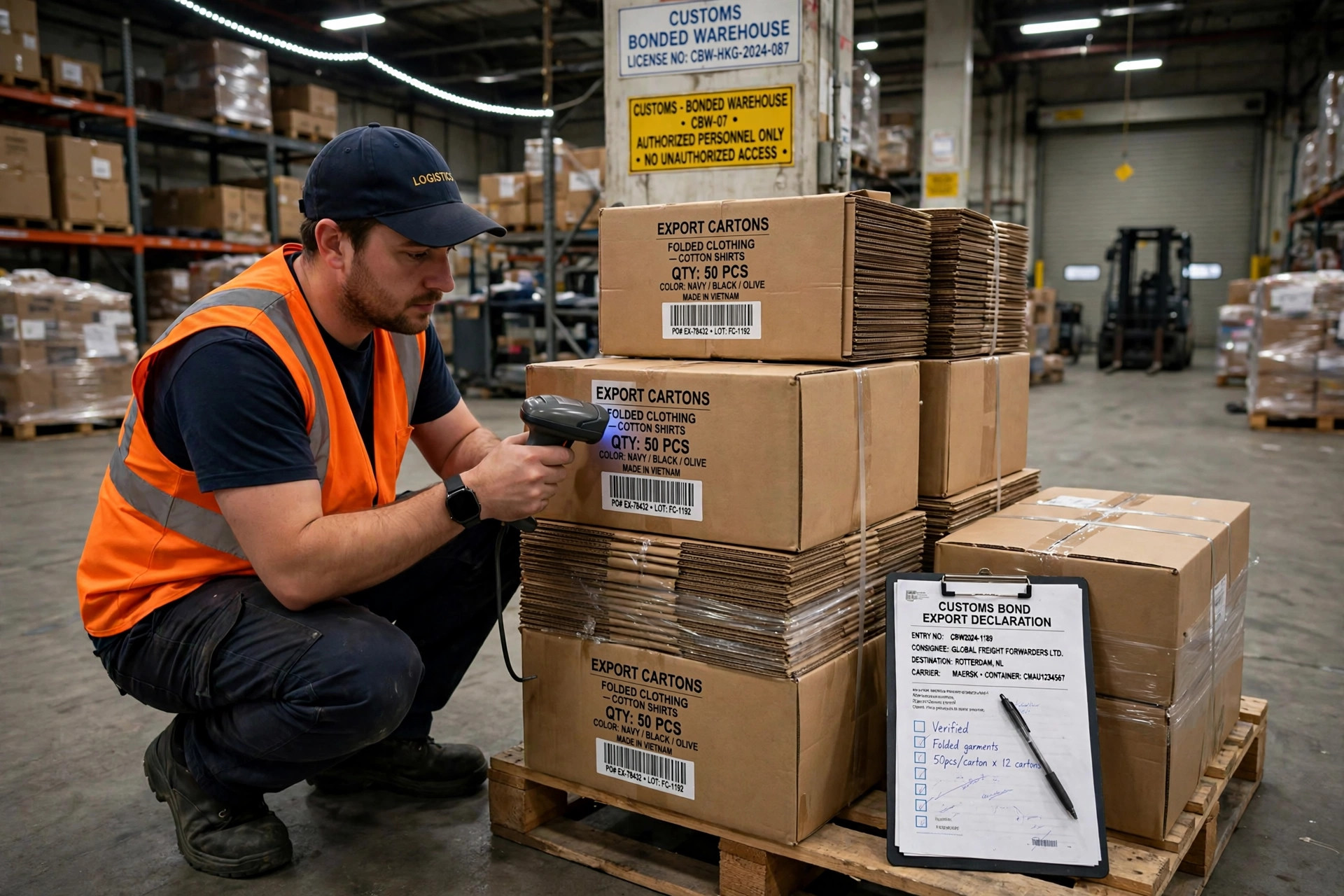
Incoterms: Who Pays for the Journey
The stack above assumes the common FOB basis, where the buyer takes over at the ship's rail. Other terms move the layers, not the total. Under CIF, the seller's price includes freight and insurance to the destination port (duty and clearance remain the buyer's). Under DDP — delivered duty paid — the seller handles everything to the buyer's door, and the invoice price approximates a landed cost; convenient, but the buyer should still know the stack inside it, because a DDP quote can only be judged against a landed figure you have built yourself. Whichever terms you trade on, build the full stack once per style and origin: it is the only version of the garment's cost that a selling price can safely be built on.
Keep Exploring the Costing Series
Common Questions
What is landed cost?
Landed cost is the total cost of a garment when it reaches the importer's warehouse: the FOB price plus international freight, marine insurance, import duty, customs brokerage, port and clearance charges, and delivery to the warehouse. It is the first honest unit cost an importer has.
Is import duty calculated on the FOB price?
In the United States, yes — duty is generally assessed on the customs (transaction) value of the goods, which is based on the price paid to the factory, essentially the FOB value, excluding international freight and insurance. Other jurisdictions differ, so importers confirm the basis for their market.
What is the difference between FOB and DDP?
Under FOB, the buyer's responsibility (and cost) begins when the goods are loaded on the vessel: freight, insurance, duty and clearance are the buyer's to arrange and pay. Under DDP (delivered duty paid), the seller handles and pays for everything through to the buyer's door, and the quoted price is close to a landed cost already.
What charges surprise first-time importers?
The usual surprises are customs examination fees, demurrage and detention when containers are not cleared and returned in time, port congestion surcharges, and the per-garment share of third-party inspection and lab testing fees. None is large alone; together they routinely add several percent.
Back to the Garment Costing Guide
This page is one part of the Apparel Search Garment Costing & Production Economics Guide — return to the hub for the full costing workflow and every guide in the series.