What Is the Difference Between a Specialty Store and a Specialty Chain Store?
Same narrow focus, different scale: one focused shop versus many focused shops under a single brand.
Yes, there is a difference — and it is about scale, not focus. A specialty store is an individual retail establishment that focuses on a particular product category or niche within apparel or footwear, offering a narrow but deep selection. A specialty chain store is one location within a group of stores that operate under the same brand and share that same specialization, keeping a consistent identity and product offering across multiple locations.
Both store types reject the everything-for-everyone approach of a general department store. Both win customers by knowing one category deeply. What changes between them is ownership structure and reach: the independent depth of a single shop on one side, and the shared brand, buying power, and multi-location presence of a chain on the other.
Retail Guides & Related Questions
The Specialty Store: Narrow and Deep
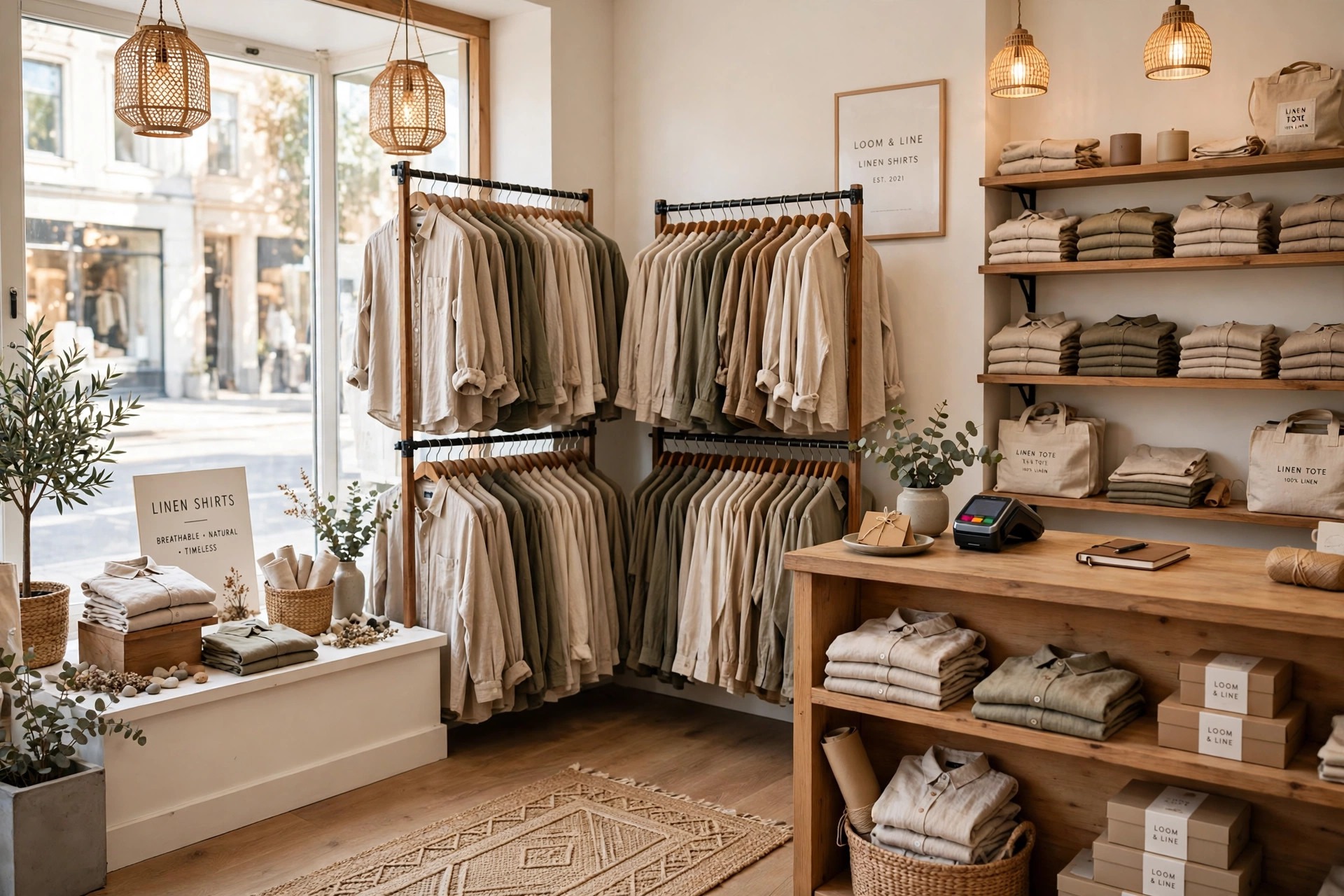
A specialty store, in the context of clothing or footwear, is a retail establishment that focuses on a particular product category or a specific niche within the broader apparel or footwear industry. These stores typically offer a narrow but deep selection of merchandise related to a specific theme, style, brand, or target market. Narrow describes the range of categories carried; deep describes how much choice exists inside that one category.
Examples include stores specializing in athletic shoes, formal wear, outdoor gear, or sustainable fashion. Instead of a little of everything, the shopper finds a lot of one thing, presented by people who know it well. Specialty stores aim to provide a curated and specialized shopping experience to cater to a particular customer segment — the runner, the bride, the hiker — rather than the general public passing through.
The Specialty Chain Store: One Brand, Many Locations
A specialty chain store refers to a chain or group of retail stores that operate under the same brand and share a specialization or focus on a particular product category within the clothing or footwear industry. These stores are part of a larger retail chain and maintain a consistent brand identity and product offering across multiple locations, so a customer entering any branch meets the same concept, signage, and core range.
Specialty chain stores often have a more extensive presence and reach compared to individual specialty stores. They leverage their brand and specialization to attract a broader customer base while retaining a specific focus on their chosen product category. Central buying, shared marketing, and a recognizable name let the chain bring its niche to many towns and malls at once — something a single independent shop cannot do.
What They Share — and What They Do Not
The shared ingredient is specialization itself. Both formats build their reputation on depth in one category, knowledgeable presentation, and a defined target customer. Both stand in contrast to general-line retailers that stock many unrelated categories under one roof. A shopper who wants the deepest possible selection in one area — and staff who live and breathe that area — is the customer both formats are designed to serve.
The differences are structural. A specialty store is a single outlet, free to shape its assortment to its owner, its neighborhood, and its regulars. A specialty chain store trades some of that individual freedom for consistency: the same brand experience everywhere, decided centrally. Neither structure guarantees a better store — a superb independent and a superb chain branch can sit in the same category — but they are genuinely different retail models, which is why the terminology keeps both terms.
Why the Distinction Matters
For shoppers, the distinction predicts the experience. A specialty store may carry unusual labels, local discoveries, and an assortment tuned to its town. A specialty chain store offers predictability: familiar layout, consistent sizing and ranges, and the ability to return, exchange, or reorder at another branch. Knowing which model you are walking into sets the right expectations before you reach the rack.
For the industry, the terms describe how a niche is being served and scaled. An individual specialty store proves a niche in one market; a specialty chain store shows that the niche can support a brand across many markets at once. In summary, a specialty store is an individual retail outlet with a specific product focus, while a specialty chain store is part of a group of outlets sharing that specialization under one brand, across multiple locations.
Common Questions
Can a specialty store become a specialty chain store?
Yes. If the owner of a focused single store opens additional locations under the same brand, keeping the same specialization and a consistent product offering, the business has become a specialty chain. The niche does not change; the structure does. Each location is then a specialty chain store rather than an independent specialty store.
How is a specialty store different from a department store?
By breadth. A specialty store offers a narrow but deep selection within one category or niche — athletic shoes, formal wear, or outdoor gear, for example — and provides a curated experience for a particular customer segment. A department store does the opposite, carrying many unrelated categories broadly under one roof for a general audience.
Do specialty chain stores carry the same products at every location?
They maintain a consistent brand identity and product offering across multiple locations, so the core range and concept are the same from branch to branch. That consistency is the point of the chain model. Individual branches may adjust details, but the specialization and overall experience are designed to be recognizable wherever the customer shops.
More to Explore
If You Have More Questions About Fashion
You may want to try these sections here on Apparel Search: