How to Keep Your Hands Warm
Gloves on early, hands kept dry, and a warm core — the three rules that actually work.
The basic answer really is simple: if you want to keep your hands warm, wear gloves or mittens. What makes the difference between warm hands and miserable ones is timing and detail — put your gloves or mittens on before you venture out into the chilly weather, keep your hands dry, and keep the rest of you warm too. This page covers each of those points, plus the materials worth choosing and the extra help hand warmers can give.
The guiding principle is to stay warm, not to get warm. Do not wait until your hands are cold to put on a pair of gloves or mittens, because chilled fingers are slow and stubborn to rewarm, especially outdoors. Cover up first, and your natural body heat stays trapped where you need it from the start of the outing instead of being chased from behind.
Gloves, Mittens & Cold-Weather Guides
Gloves or Mittens: The Basic Choice
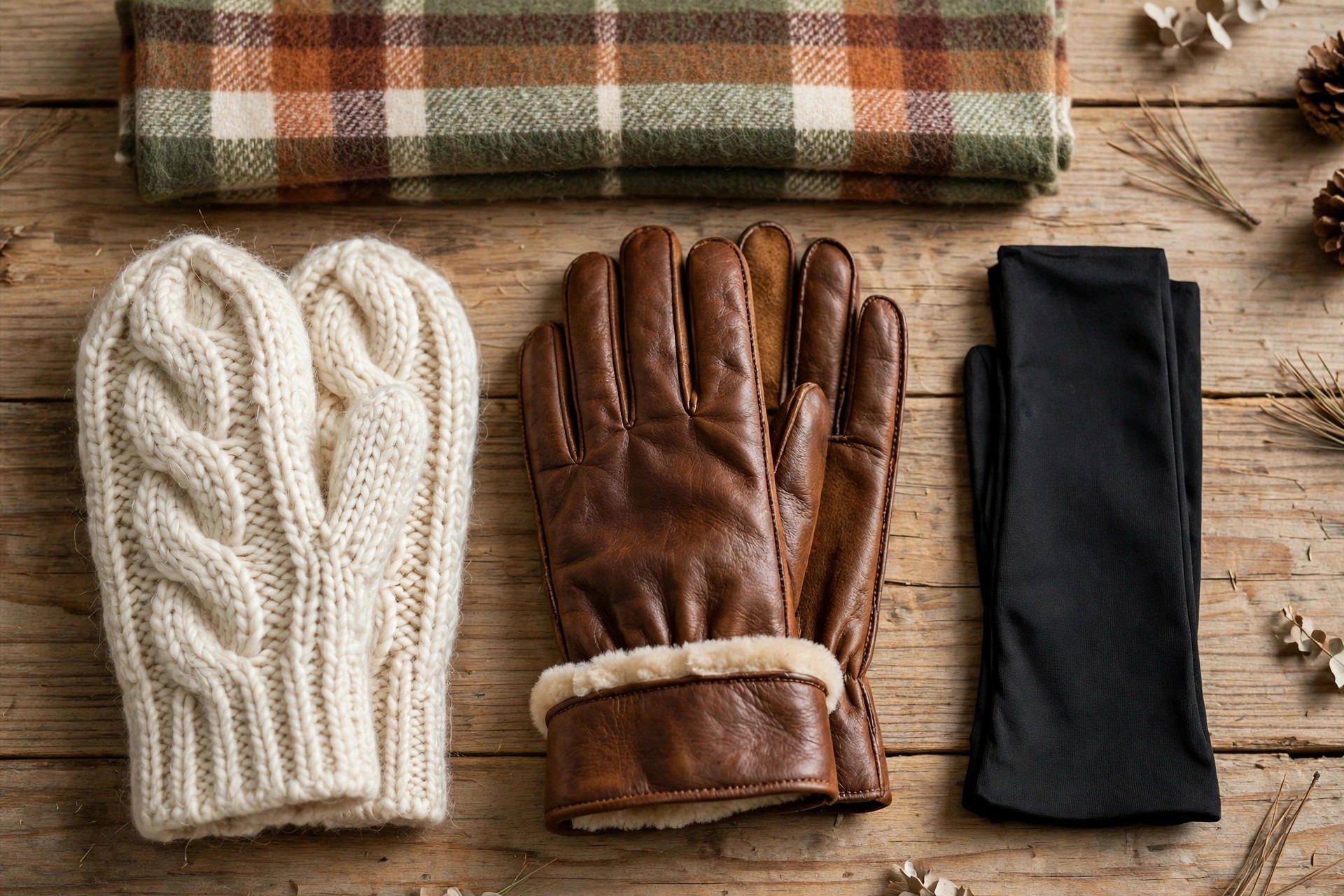
Gloves give each finger its own compartment, which preserves dexterity for driving, using keys, handling a phone, or doing any task that needs fingers to work separately. Mittens group the fingers together in one shared space, where they warm each other, and for pure warmth in serious cold that shared-air design usually wins. Many people own both: gloves for active, task-filled outings, and mittens for the coldest, stillest days, such as watching a game or waiting for a train.
Within each style, insulation matters more than fashion labels. If your hands get very cold, look into down mittens, wool mittens, or leather gloves and mittens lined or filled with down. Down traps warm air in a light, lofty layer; wool insulates naturally and keeps working in damp conditions; leather blocks wind and shrugs off abrasion. A genuinely warm pair of winter gloves or mittens, chosen for your actual weather, beats a stylish thin pair every time the temperature drops.
Keep Hands Dry, Inside and Out
Wet hands can very easily equate to cold hands, because water conducts heat away from skin far faster than air does. You need to keep your hands dry if possible. A good pair of waterproof gloves or mittens keeps moisture from getting in from the outside — snow, rain, and slush melt quickly against warm fabric — so look for a waterproof shell or membrane whenever your winter involves handling snow or working in wet conditions.
The outside is only half the problem. You also need to be mindful of overheating and getting sweaty, because even if you keep the water out, exertion builds moisture from within, and damp insulation loses its power. Choose a weight of glove that matches your activity level, vent or remove layers briefly before sweat builds up, and favor wool where dampness is likely: wool's natural benefit is that it insulates well, breathes, and retains warmth even when it has absorbed some moisture.
Warm Your Core to Warm Your Hands
When your fingers are cold, it is natural to focus entirely on what you are wearing on your hands — but do not neglect the rest of your body. You definitely want to keep your core, your torso, warm. When the body senses it is losing heat, blood flow to the extremities gets restricted in order to limit the loss of body heat and protect the vital organs, and your fingers are among the first places that restriction shows up.
That physiology explains a familiar frustration: expensive gloves that still leave your hands cold on a day when your jacket is too light. The gloves are not failing; your body is deliberately sending less warm blood to them. Add a proper insulating layer, a hat, and warm footwear, and the same gloves suddenly perform. The most effective way to keep your hands warm is to keep your body warm — handwear is the last step of a whole-body strategy, not a substitute for it.
Hand Warmers and Backup Tricks
If you are not fully satisfied with a warm pair of mittens or gloves, research hand warmers. Hand warmers are small, mostly disposable packets which are held in the hand and produce heat on demand to warm cold hands, and they are commonly used in outdoor activities. Slipped inside a mitten, or held during a break, they supply the extra heat that insulation alone cannot create — remember that gloves and mittens only trap heat your body produces, while a warmer actually adds some.
Keeping your hands in your pockets is the oldest backup method, and on its own it may not be effective enough — pockets offer thin fabric, no real insulation, and cold air at every opening. Use pockets for brief moments, not as a plan. The reliable plan remains the full sequence: dress your core warmly, put on properly insulated and dry gloves or mittens before you go outside, and carry hand warmers for the days when even that is not quite enough.
Common Questions
Are mittens warmer than gloves?
Usually, yes. Mittens hold the fingers together in one shared compartment, so the fingers warm each other and there is less surface area losing heat. Gloves isolate each finger, which preserves dexterity for tasks but lets each finger chill separately. For the coldest, least active conditions — spectating, waiting, walking the dog in deep winter — mittens are the warmer choice. For active days needing grip and finger control, insulated gloves are the practical compromise.
Why are my hands still cold in good gloves?
Most often, either timing or your core temperature is to blame. If you waited until your hands were already cold before putting gloves on, the insulation has little body heat left to trap — the rule is to stay warm, not get warm. If your torso is under-dressed, your body restricts blood flow to the extremities to protect your core. Add a warmer jacket and a hat, cover up before going out, and the same gloves will work better.
How do I stop my hands getting cold from sweat?
Choose glove weight for your activity level, not just for the temperature, and vent before moisture builds: unzip, or slip gloves off briefly during hard exertion, then put them back on before your hands chill. Waterproof shells keep rain and snow out, but they cannot remove sweat generated inside. Wool liners or wool mittens help because wool insulates even when damp and manages moisture well, which is one of its long-standing benefits for winter wear.
If You Have More Questions About Fashion
You may want to try these sections here on Apparel Search: