Earmuff Retailers
Retailers and boutiques selling earmuffs
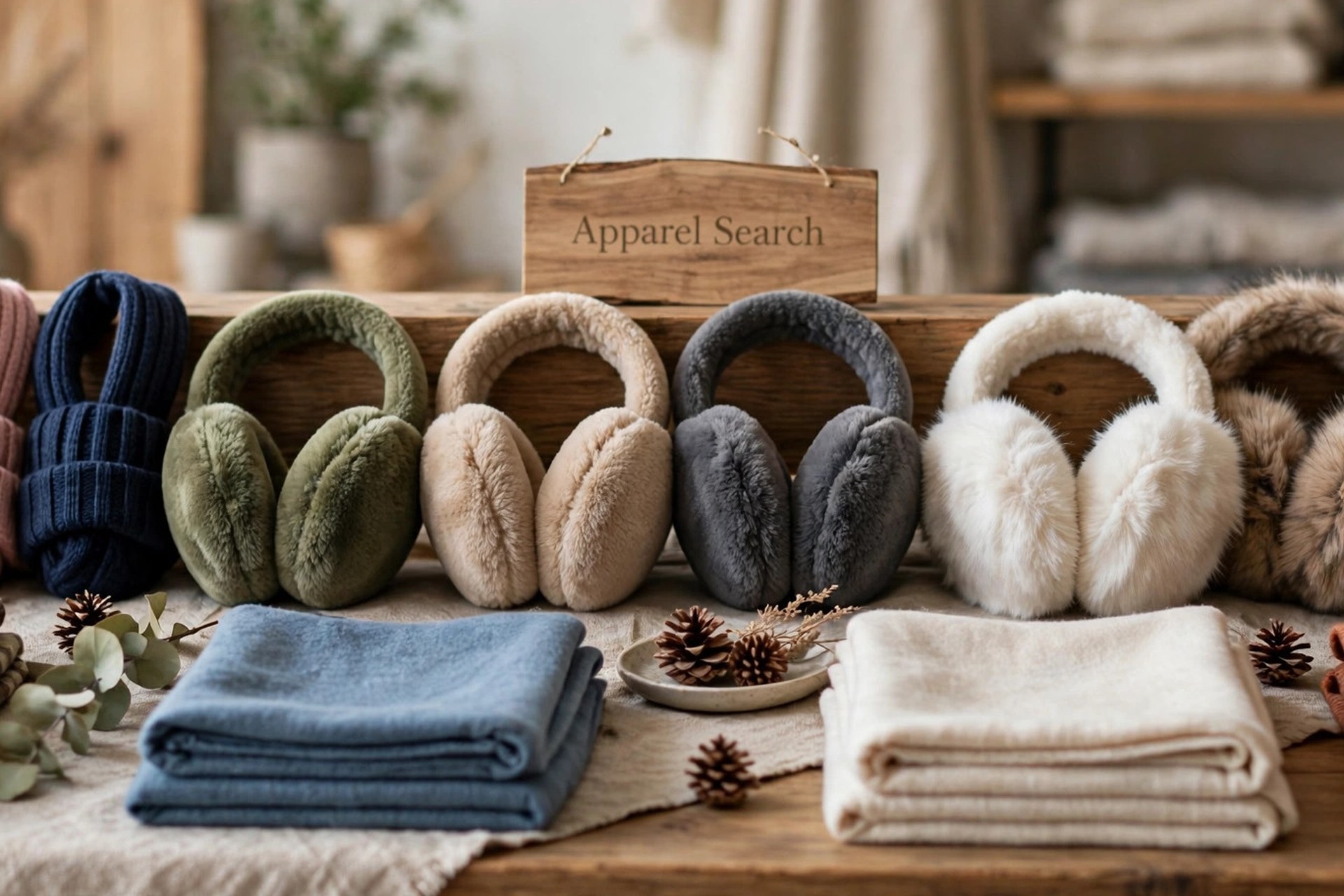
Earmuffs cover the ears against cold and wind without covering the head, which makes them the winter accessory for anyone who dislikes hats, needs to hear clearly, or wants warmth that fits in a coat pocket. This directory page is the accessories section's earmuff address: the retailers and boutiques selling earmuffs sit within the wider fashion accessory store pages linked here, where sheepskin and fleece specialists list earmuffs alongside their mittens, hats and slippers. Sundance Leather, listed on the mittens page of this directory, is the type: handmade sheepskin goods made in Colorado, with earmuffs in the same natural material as its mittens and footwear. Modern earmuff ranges run wider than the sheepskin classic: fleece band earmuffs that wrap behind the head, faux fur fashion earmuffs, knitted earmuffs matched to scarves, fold-flat earmuffs for commuting, and earmuffs with built-in headphones. The buying points below cover how to choose among them, and the mitten, glove and hat pages of this directory complete a winter accessories set.
Earmuff Retailer Directory - Clothing Retailers or Boutiques Selling Earmuffs
Fashion Accessories Clothing Retail Stores Women's Clothing Stores Men's Clothing Stores Children's Clothing Stores Apparel Shopper Fashion Stores by Category Fashion News Fashion Jobs
A Short History of the Earmuff
Earmuffs are a documented invention: Chester Greenwood of Farmington, Maine, devised them as a teenager in 1873, reportedly after his ears froze while skating, and patented the Greenwood champion ear protector in 1877, with a spring band and hinged, padded cups that are recognizably the modern design. Farmington still celebrates Chester Greenwood Day each December. The design spread because it solved a real problem cheaply: ears are thin, poorly insulated and exposed, and a full hat is not always wanted or allowed, at work, at school, or under other headgear.
Types Sold Today
Band earmuffs are the classic: two cups on a spring band, over or behind the head, folding flat. Wrap earmuffs use a soft fleece band that circles the back of the head and fastens, lying flat against a coat collar. Ear warmers in technical fabrics add windproof panels for runners and cyclists. Fashion earmuffs in faux fur and knit are sold as part of a winter look, often matched with scarves and gloves as gift sets. Working earmuffs shade into hearing protection, a different product with rated noise reduction, sold by safety suppliers rather than fashion retailers; this directory covers the fashion and cold-weather side.
Buying and Care
Buy for the cold actually faced: fleece for town winter, sheepskin or fur for real cold and wind, a windproof wrap for sport. Check that replacement is easy and the band is not so tight it causes a headache within minutes, the most common reason earmuffs end up unworn. Fleece pairs wash gently and dry flat; sheepskin is brushed and kept dry; all earmuffs store best uncompressed, so the cup padding keeps its loft and seal. Kept that way, a good pair lasts for years of winters, and the retailers in the accessory pages here are where replacements and matching cold-weather pieces are found.
Common Questions
Earmuffs or a hat for winter warmth?
They solve different problems. A hat covers the whole head and is the warmer choice in serious cold, since heat escapes from the full head surface. Earmuffs protect the ears, the part of the head that hurts first in wind and cold, while leaving hair, hearing and peripheral awareness untouched, and they fold into a pocket when indoors. Many wearers use both on different days: a hat for the coldest weather, earmuffs for ordinary winter days, commuting and outdoor work where hearing matters. Retailers sell them side by side for exactly that reason.
What are earmuffs made from?
The covering is fleece, faux fur, knit wool or sheepskin over a padded cup, and the band is spring steel or plastic, increasingly in a behind-the-head design that does not disturb hairstyles. Sheepskin is the traditional premium material, warm, breathable and durable, used by the sheepskin specialists in this directory. Fleece is the lightweight everyday choice, faux fur the fashion choice, and technical versions add windproof membranes or built-in audio. The lining against the ear decides comfort in wind; a sealed, padded cup beats a flat pad.
How should earmuffs fit?
The cups should cover the whole ear and sit sealed against the head without pinching, and the band should hold them in place when the wearer turns and bends. Behind-the-head bands suit wearers who object to a band over the hair; over-the-head bands feel more secure in wind and sport. Adjustable and folding designs fit the widest range of heads and are the practical choice when buying as a gift. Children's sizes are cut smaller and should be bought as such rather than as tight adult pairs.