First, the Construction
Lined or Unlined: Know Which Dress You Are Holding
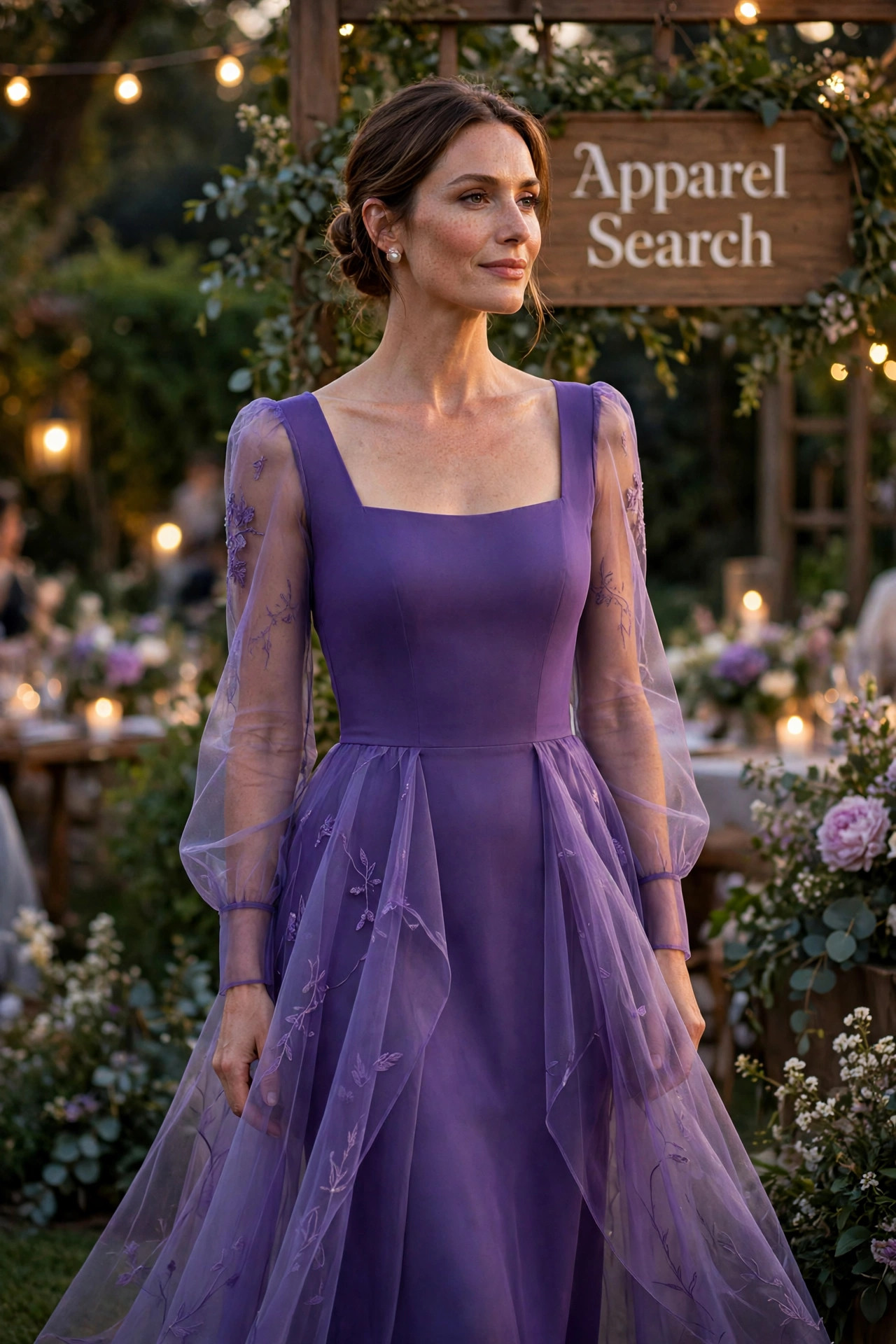
Sheer dresses and skirts divide into two constructions, and confusing them is the source of most sheer disappointments. A lined style has its opaque layer sewn in — the dress is complete as sold, and your only job is to check that the lining is long enough and substantial enough in daylight. An unlined style is sheer from neckline to hem and is sold as one half of an outfit: it expects a slip or an under-dress that you supply. Neither is a flaw. Lined is simpler; unlined is more flexible, because the same sheer dress can sit over different base dresses and change character completely.
The sheer clothing guide sets out the layering method behind both. For dresses, the practical question at the rail is where the lining — yours or the maker’s — starts and stops: bodice only, to the knee, or full length. That single measurement predicts more about how the dress will behave than the fabric name on the label.
Slip Strategy
Choosing the Slip: Length, Colour and Fabric
| Sheer garment | Slip or base to choose | Watch for |
|---|---|---|
| Fully sheer dress | Full slip dress in a skin tone or matching colour, same hem length or slightly shorter | Strap alignment; a slip neckline that fights the dress neckline |
| Sheer skirt, opaque top half | Half slip reaching close to the hem; smooth waistband that will not show through | The slip hem line showing as a hard edge mid-skirt |
| Sheer hem border only | Shorter half slip ending above the sheer border | Daylight: the border is more transparent outdoors than in the shop |
| Overlay dress | A complete, well-fitted opaque dress worn as the base — often the slip dress itself | Base dress colour: it tints everything the overlay does |
Colour logic mirrors the tops rule: skin tones disappear, matching tones unify, and contrast is a deliberate design choice that should look unmistakably deliberate. The women’s slips guide covers slip fabrics and lengths, and the slip dress guide is the natural base-dress reference for overlay styles — a plain slip dress under an organza overlay is, in effect, two dresses for the price of one and a half.
The Overlay Idea
Overlay Dresses: the Most Forgiving Formal Formula
An overlay dress reverses the usual arrangement: instead of hiding the coverage layer, it celebrates the sheer layer worn openly over a complete dress beneath. The base might be a simple fitted dress you already own; the overlay — chiffon for softness, organza for structure, as the organza definition explains — floats over it, adding sleeves, a longer hem, movement and occasion without adding exposure. Because the base dress is a finished garment in its own right, coverage is never in question, which is why overlay dressing is the standard answer for weddings, formal dinners and photographs: see how it sits within the broader evening dress tradition and the styles gathered on the evening dresses product pages.
The same idea scales down to skirts. A sheer overskirt over an opaque pencil or A-line skirt lengthens and formalises a plain skirt instantly, and a tiered sheer skirt over a solid slip reads as full and romantic while staying completely covered. In both cases the sheer layer is doing decoration, not duty — the healthiest relationship the two layers can have.
Details That Decide Coverage
Hems, Sleeves and Where the Transparency Sits
Lace dresses negotiate the same territory with pattern instead of plain transparency — a lined lace dress and a sheer overlay dress are close cousins, and the guidance in lace dresses and tops transfers directly. Whichever construction you choose, judge it the same way: in daylight, moving, and seated as well as standing, since hems rise and linings shift. A sheer dress that passes all three tests will never need a second thought at the event itself.
Questions
Common Questions
How long should a slip be under a sheer skirt?
The slip should end where the skirt’s transparency becomes acceptable — usually a few inches above the sheer hem, never peeking below it and never ending so high that daylight shows an obvious uncovered zone. For a fully sheer skirt, choose a slip that reaches close to the hem; for a skirt that is only sheer at the hem border, a shorter slip is enough.
Are sheer overlay dresses suitable for weddings and formal events?
Yes — they are one of the most reliable formal choices, because the opaque dress underneath provides complete coverage while the sheer overlay adds movement and softness. Choose an overlay in organza or chiffon over a well-fitted base dress, keep accessories simple, and check the lining length in daylight before the event.
What is the difference between a lined and an unlined sheer dress?
A lined sheer dress has its coverage built in: an opaque layer sewn inside the sheer outer layer, so it is ready to wear on its own. An unlined sheer dress is only the transparent layer, and it needs a separate slip or under-dress of the right length and colour before it is complete. Neither is better — lined is simpler, unlined is more flexible.
More to Explore
Search Apparel Search