How to Buy Handbags: A Smart Shopping Guide
Leather, hardware, stitching and size — how to tell a keeper from a dud before you pay.
Shop Women's Handbags Now
Shop Women's Handbags on eBay Shop Women's Handbags on AmazonThe eBay and Amazon links on this page are affiliate links. If you make a purchase through them, Apparel Search may earn a commission.
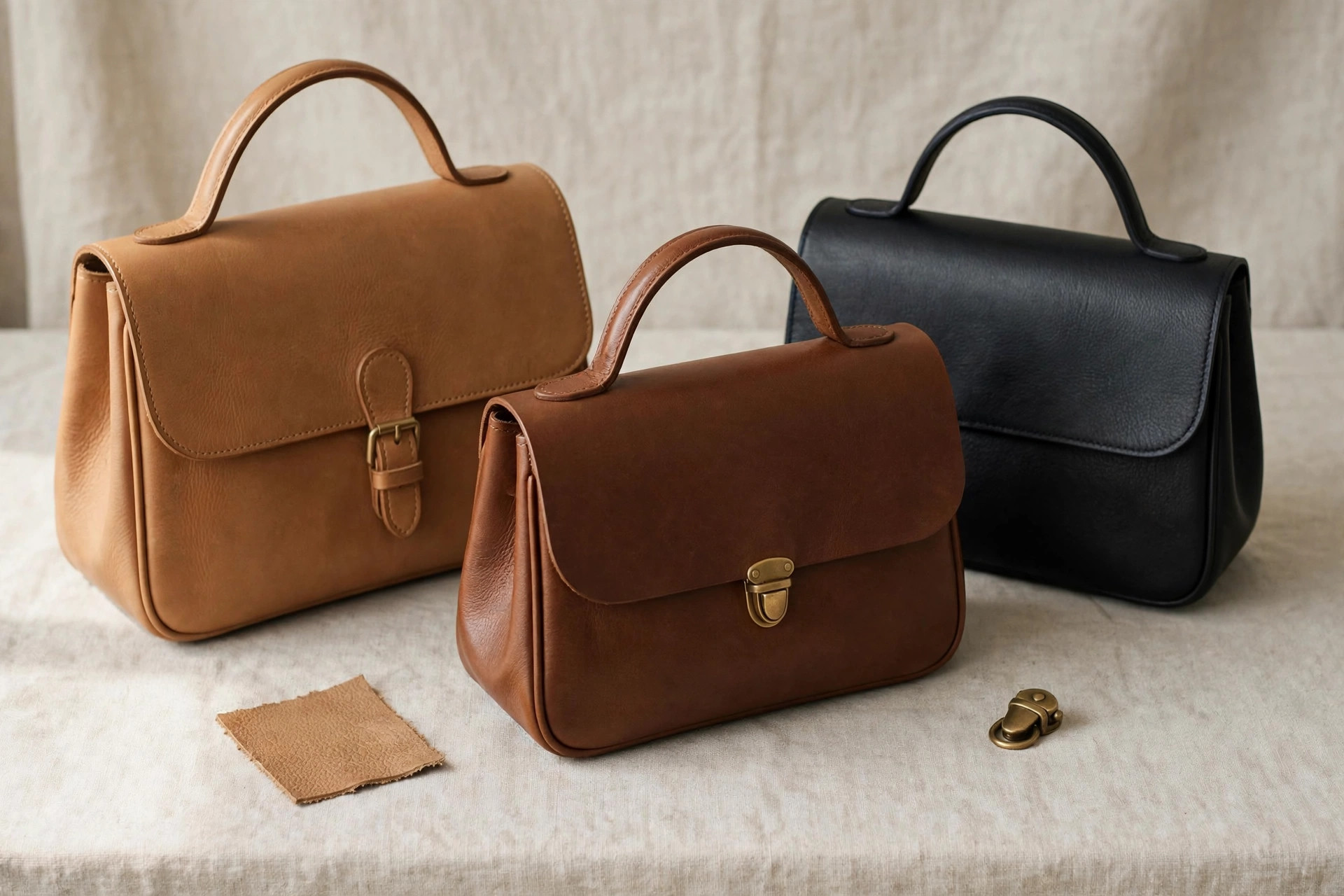
A good handbag is one of the hardest-working purchases in a wardrobe — carried daily, loaded heavily and judged up close. That makes it one of the worst categories for impulse buying and one of the best for informed buying. Learn to read leather, hardware and stitching, and you can spot a decade-long keeper (or a dud) in about thirty seconds, at any price.
Reading Leather Quality
Leather grades are the single biggest quality signal. Full-grain is the top layer of the hide, dense and durable — it develops a patina and lasts decades. Top-grain is sanded smooth and refinished; still good, slightly less character. “Genuine leather” sounds premium but is actually a low grade made from leftover layers — it cracks and peels within a couple of years. Bonded leather is ground-up scraps glued together: avoid it at any price above pocket change. Test in person: press the surface — quality leather shows fine natural grain, and wrinkles smooth back out. Smell it, too — rich leather smells like leather, while a sharp chemical odor means heavy coatings or plastic. Check the edges: painted edges should be smooth, even and uncracked; rough or bubbling edges are a red flag.
Hardware: Weight Tells the Truth
Pick the bag up by its hardware. Solid brass or zinc-alloy zippers, clasps and feet feel reassuringly heavy; hollow or plastic hardware feels light and tinny and is the first thing to break or tarnish. Run every zipper twice — it should glide without catching. Quality makers often stamp their hardware with a brand mark; blank, flimsy-feeling metal on a premium-priced bag is a warning sign.
Count the Stitching
Look closely at the seams: 7 to 9 even stitches per inch is the mark of careful construction. Stitching should be straight, tight and backstitched at stress points like handle attachments. Loose threads, skipped stitches or wavy seams mean the bag was rushed — and rushed bags fail at the handles first.
Size vs. Function
Buy for the life you have, not the one you imagine. Measure what you actually carry daily and compare it to the bag's interior dimensions — a beautiful bag you can't fit your essentials into becomes a shelf decoration. Consider weight: an empty structured leather tote can weigh two pounds before you load it. Crossbody styles distribute weight best for all-day wear; top-handle and clutch styles trade comfort for polish.
Fair Price Tiers
Under $100 buys faux or bonded leather and trend-driven designs — fine for experimenting, not for longevity. $100–$300 is the sweet spot for well-made top-grain leather from mid-range brands. $300–$800 brings full-grain leather, solid hardware and designer-contemporary craftsmanship. Above $800 you're paying for luxury branding on top of excellent materials — worth it only if the brand's resale value or design genuinely matters to you.
Buying Secondhand Safely
The resale market is where smart handbag money goes furthest — premium bags at 40–70% off retail. Authenticate before you pay: check date codes or serial numbers against the brand's known formats, compare stitching and hardware engraving to official product photos, and beware of prices far below market. Buy from sellers with long histories and clear return policies, and treat “too good to be true” as exactly that.
Looking for Stores?
This guide is about how to buy — judging quality, fit and value before you spend. When you are ready to browse where to buy, visit our women's clothing store directory.