How to Buy Women's Suits: A Smart Shopping Guide
Canvas, shoulders and drape — how to invest in tailoring that earns its price.
Shop Women's Suits Now
Shop Women's Suits on eBay Shop Women's Suits on AmazonThe eBay and Amazon links on this page are affiliate links. If you make a purchase through them, Apparel Search may earn a commission.
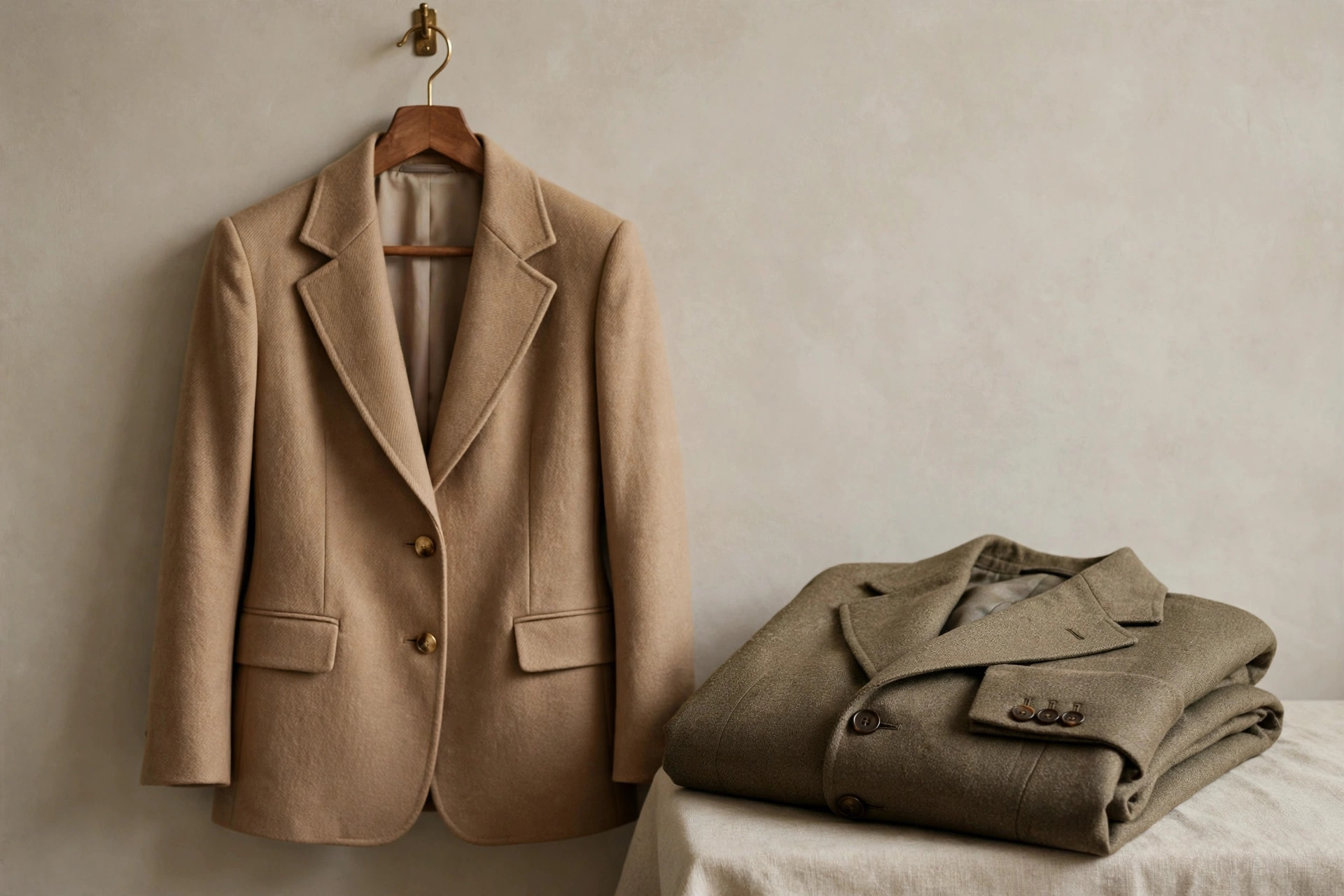
A women's suit is one of the priciest single purchases in a wardrobe — and one of the most transformative when it fits. Because the construction is hidden inside, suits reward informed buyers most: two blazers can look identical on the rack while one drapes beautifully for a decade and the other bubbles after a year of dry cleaning. Here's how to tell them apart.
Canvas vs. Fused: The Construction Test
Inside every blazer front, fabric is either sewn to a floating canvas interlining or glued to a fusible one. Full or half-canvas construction molds to your body over time, breathes, and survives years of cleaning — it's the mark of a serious suit. Fused fronts are cheaper to make, but the glue eventually bubbles and delaminates, especially with frequent dry cleaning. Ask the salesperson, or check the label: “half-canvas” is proudly advertised; silence usually means fused.
Shoulders Decide Everything
A tailor can fix almost anything except shoulders — recutting them costs nearly as much as the suit. The shoulder seam should end exactly at your shoulder bone, with no divots or overhang. Raise your arms slightly: the jacket should move with you, not hike up around your ears. Get the shoulders right and everything else is adjustable.
The Drape Test
Pinch the blazer's front between your fingers and let go. Canvas construction rolls softly and springs back; fused fronts feel stiff and papery, and cheap fusing crackles faintly. Look at the lapel roll — it should curve smoothly, not crease sharply. Drape is what separates a suit that looks expensive from one that merely cost a lot.
Super Numbers, Decoded
Super 100s to 120s wool is the sweet spot: fine enough to look refined, sturdy enough for regular wear. Higher numbers (Super 150s+) feel luxurious but wrinkle faster and wear through sooner — they're special-occasion fabric, not workhorse fabric. For a first suit, a Super 110s–120s in navy or charcoal maximizes wears per dollar.
Budget for Tailoring
Plan $75–$150 for alterations on top of the purchase price: hemming trousers, nipping the jacket waist and perfecting sleeve length. A $300 suit with $100 of tailoring looks better than a $600 suit worn straight off the rack. Buy to fit the shoulders and hips; let the tailor handle the rest.
Fair Price Tiers
Under $200 buys fused construction and synthetic blends — acceptable for occasional wear, not for weekly use. $200–$500 is the value zone: half-canvas fronts and wool blends from contemporary brands. $500–$1,200 brings full-canvas construction and premium Super-number wools. Above that, you're paying for designer labels and hand-finishing — lovely, but not necessary for a great-looking suit.
Looking for Stores?
This guide is about how to buy — judging quality, fit and value before you spend. When you are ready to browse where to buy, visit our women's clothing store directory.