How to Buy Petite Clothing: A Smart Shopping Guide
Inseam, rise and grading — how to buy clothes proportioned for 5'4" and under.
Shop Petite Women's Clothing Now
Shop Petite Women's Clothing on eBay Shop Petite Women's Clothing on AmazonThe eBay and Amazon links on this page are affiliate links. If you make a purchase through them, Apparel Search may earn a commission.
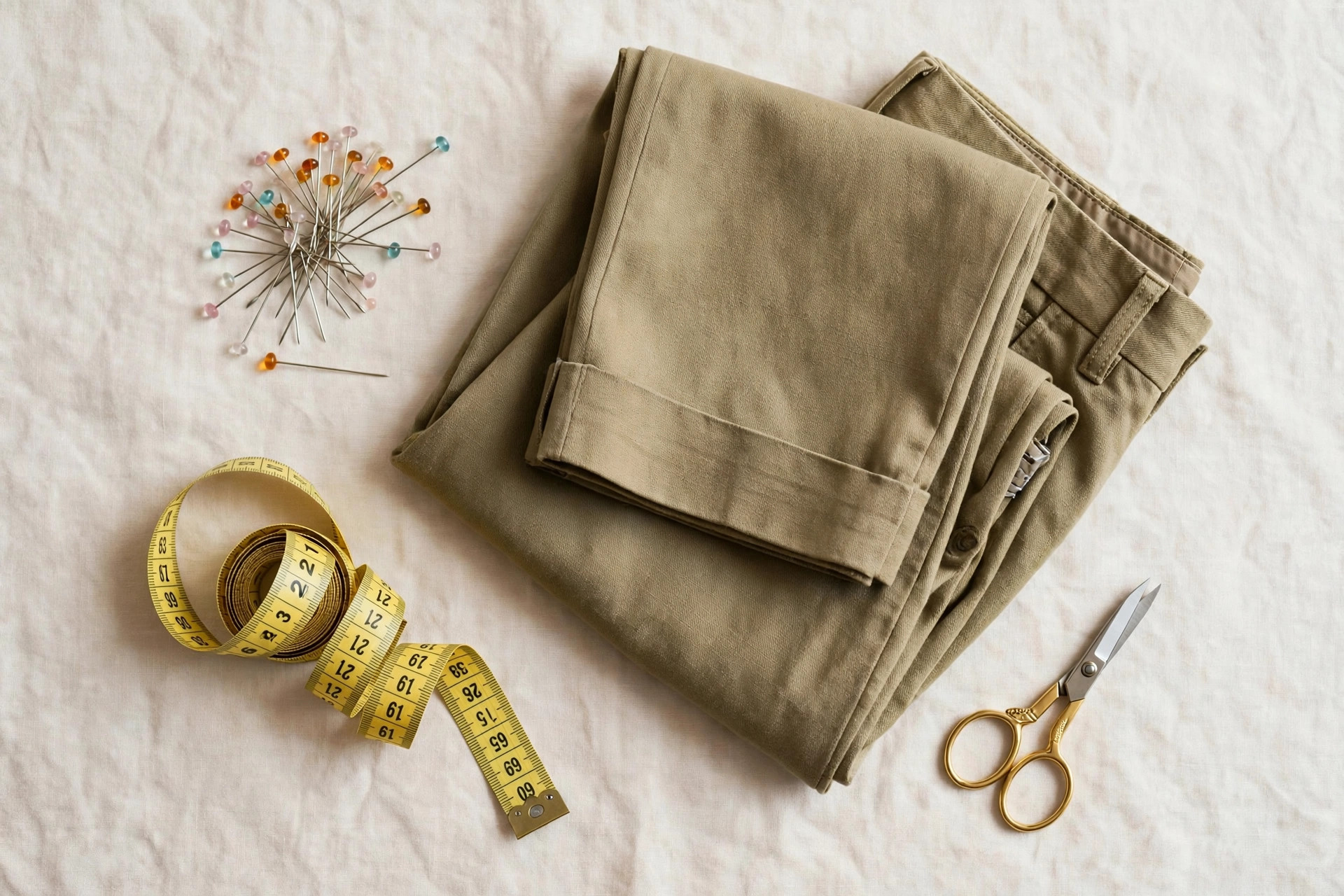
If you're 5'4" and under, regular-size clothing wasn't graded for your body — it was graded for someone taller and scaled down evenly, which is not the same thing. Petite shopping is really proportion shopping: know which measurements matter, and a world of regular clothes becomes wearable with a few smart fixes.
The Proportion Pitfalls
Three measurements decide most petite fits. Inseam: regular pants run 30–32 inches while most petites need 27–29 — a 3-inch gap no cuff fully hides. Rise: a regular rise designed for a longer torso sits wrong or bunches on a petite frame. Sleeves: jacket and blouse sleeves that swallow your hands signal a too-long armscye, not just a long sleeve. On dresses, check where the waist seam hits — if it lands on your hips instead of your natural waist, the whole proportion is off.
Petite Grading Is Not Just Shorter
True petite lines re-grade the garment: narrower shoulders, higher armholes, shorter bodices and raised knee placements — not merely a chopped hem. That's why a petite medium often fits better than a hemmed regular medium. When a brand offers petite sizing, take it; when it doesn't, an XS in a regular line is a compromise, not an equivalent.
When Tailoring Pays Off
Hemming pants ($15–$25) is the highest-value alteration in petite shopping — it makes nearly any trouser or jean work. Shortening jacket sleeves and taking in waists ($25–$50) pays off on investment pieces like blazers and wool coats. Skip tailoring on fast-fashion pieces where alterations cost more than the garment; save the tailor budget for clothes built to last.
Smart Shopping Moves
Learn your three numbers — inseam, sleeve length and preferred rise — and check them against size charts instead of trusting the size label. Shop brands that publish detailed garment measurements. And remember the golden rule of petite value: a $40 pair of pants plus a $20 hem that fits perfectly beats a $120 pair that puddles at your ankles.
Looking for Stores?
This guide is about how to buy — judging quality, fit and value before you spend. When you are ready to browse where to buy, visit our women's clothing store directory.