How to Buy Women's Dresses
Fabric, fit, and finishing: what separates a dress you’ll wear for years from one you won’t.
Shop Women’s Dresses Now
Shop Women’s Dresses on eBay Shop Women’s Dresses on AmazonThe eBay and Amazon links on this page are affiliate links. If you make a purchase through them, Apparel Search may earn a commission.
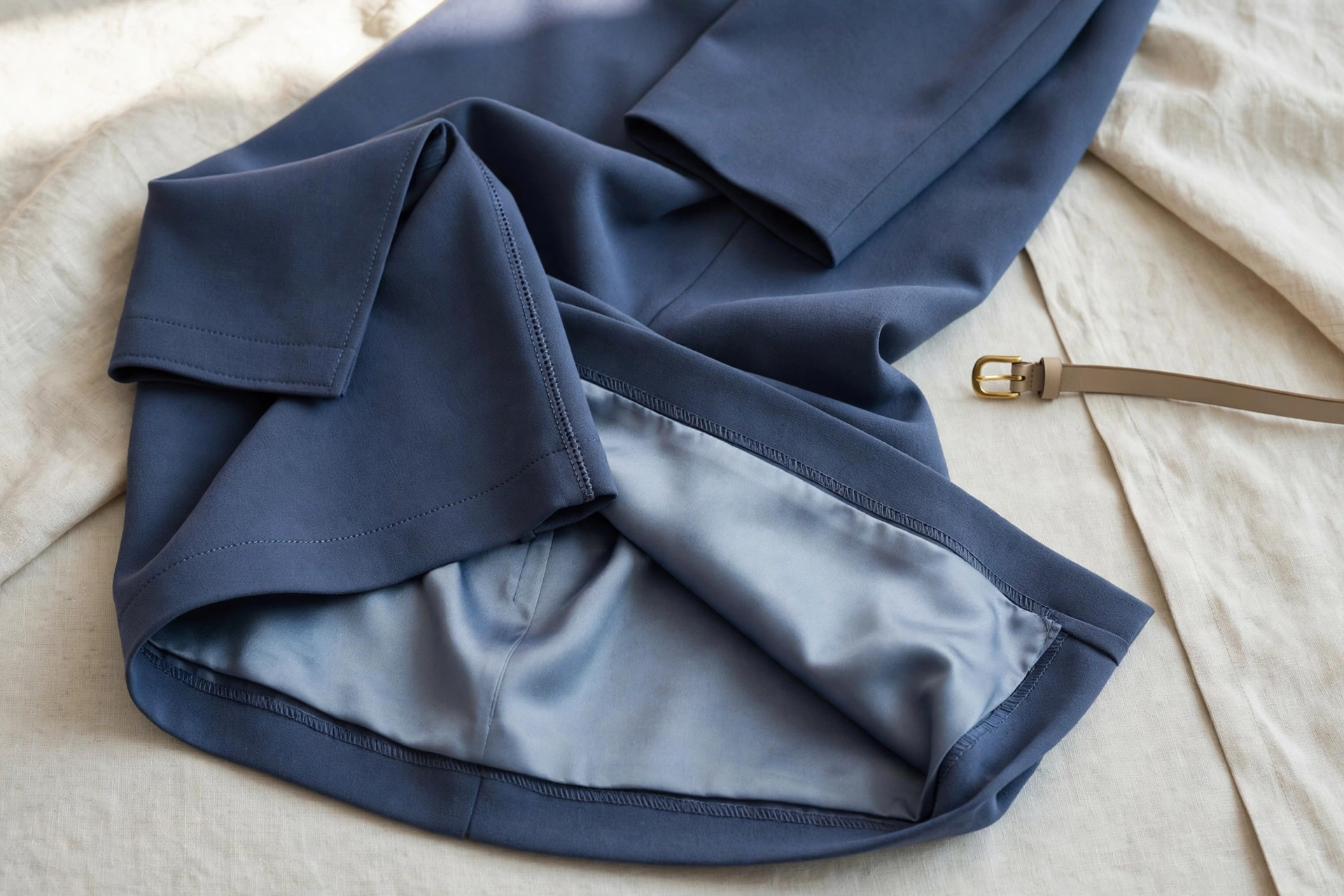
A great dress hangs, moves, and holds its shape because of what it is made of and how it is put together — not just how it looks on the hanger. Learn to read fabric, lining, and seams and you will stop buying dresses that wrinkle, cling, or lose their shape.
Fabric Quality Comes First
Natural fibers and good blends (cotton, wool, silk, linen, quality rayon) breathe better and drape more flatteringly than thin 100% polyester, which clings and holds static. Scrunch a handful of the fabric in the fitting room: if it springs back, it will survive a day of wear; if it stays wrinkled, walk away. Weight and recovery tell you more about a dress than the brand name.
Check the Lining and Seams
A lining is the quiet marker of a well-made dress: it keeps the outer fabric from clinging and lets the dress glide over you. Turn the dress inside out and look at the seams — they should be straight, even, and finished (serged or bound) rather than raw and fraying. French seams or bound edges inside the skirt are a genuine quality signal. If you can see loose threads and jagged cuts, the dress will not survive many washes.
The Bodice Decides the Fit
For dresses, the bodice matters more than the skirt. The waist seam should sit at your natural waist, bust darts should point at your bust, and armholes should lie flat without gaping or digging. A bodice that fits makes even a simple skirt look expensive; a gaping neckline or pulling buttons makes even a beautiful dress look wrong. When between sizes, buy for the bodice — skirts and hems are far easier for a tailor to adjust.
Buy for Versatility, Not One Occasion
Before buying, name three places you will actually wear the dress and three things you already own to pair with it. Solid colors and classic cuts dress up or down with shoes and accessories; a heavily embellished one-occasion dress costs more per wear than a versatile dress at twice the price. The exception is the true event dress — for that, shop resale first, where barely-worn formal dresses sell for a fraction of retail.
Price Tiers and When to Spend
Budget dresses ($20–$50) suit trend prints you will wear a season. Mid-range ($50–$150) is the sweet spot for everyday dresses: real linings, better fabric recovery, and seams that hold up. Above $150, spend on the dresses you will wear constantly — the work dress, the little black dress, the wedding-guest staple — where quality amortizes over dozens of wears. Sale timing helps too: occasion dresses drop sharply right after prom and holiday seasons.
Care That Keeps Dresses New
Wash structured or lined dresses as little as possible — airing them out after wearing extends their life far more than frequent washing. Steam delicate fabrics instead of ironing, fold knit dresses rather than hanging them, and follow the care label — the maker knows what ruins the fabric.
Looking for Stores?
Ready to put these tips to work? Browse retailers in our women’s clothing store directory. For a style-focused walkthrough, you can also browse dress styles by neckline, sleeve and length.