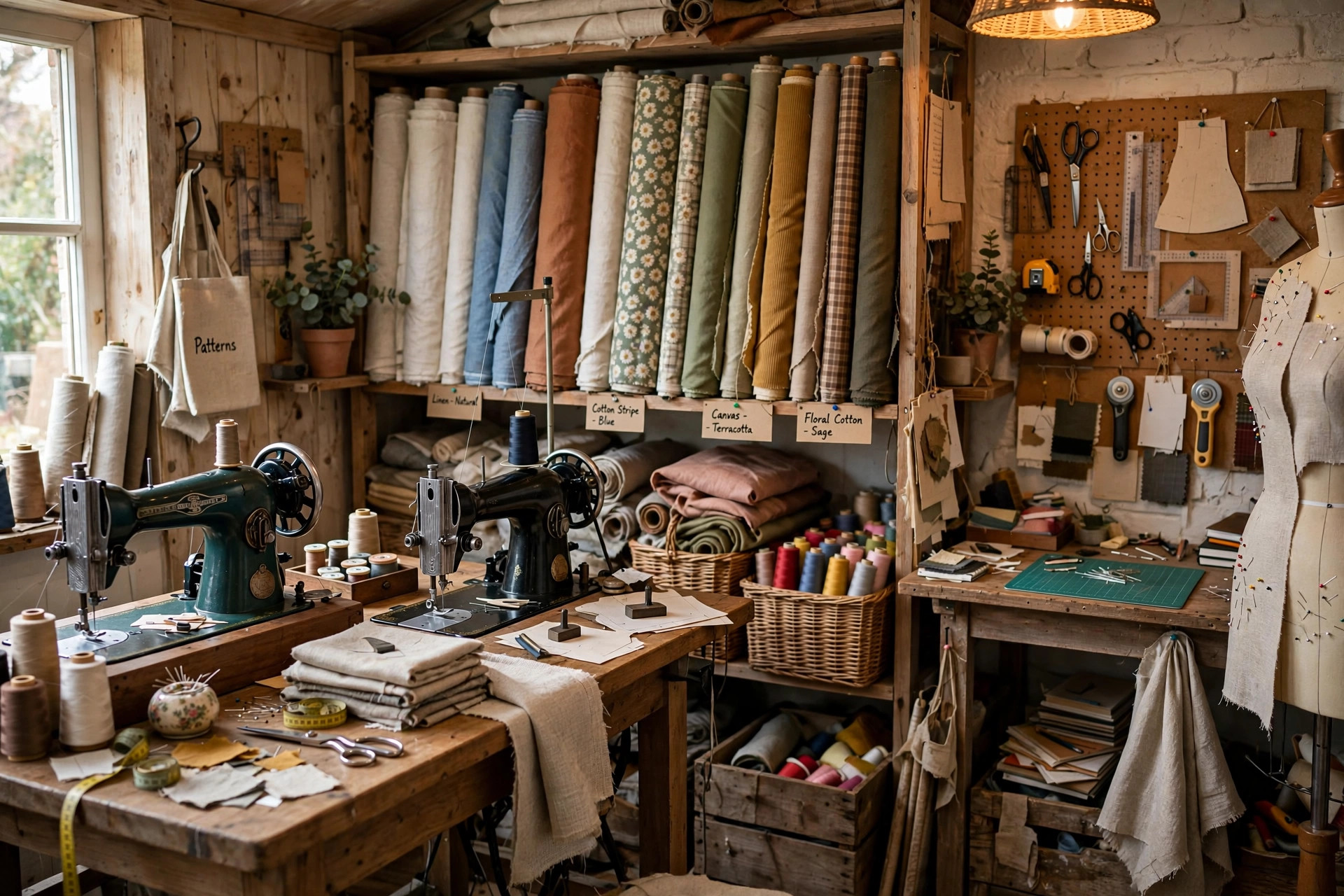
Small-batch manufacturing means producing clothing in runs of 50 to a few hundred units per style — the sweet spot for emerging brands, test launches, and niche labels. It costs more per unit than mass production, but it slashes inventory risk and lets you iterate fast.
Where to Find Small-Batch Factories
Domestic factories, artisan workshops, and CMT (cut-make-trim) shops are the natural home of small runs — many accept 50–300 units per style. Some overseas factories now run dedicated low-MOQ lines. Be upfront about your volumes; a factory set up for 10,000-unit runs will quote you punitively or decline.
Managing the Higher Unit Cost
Expect per-unit costs 30–100% above mass-production pricing. Offset it with premium positioning, made-to-order or pre-order models, and tight size/color ranges (each variant multiplies cost). Price your retail accordingly — small batch and discount pricing don't mix.
Sampling and Scaling
Budget for 2–3 sample rounds per style; small factories often sample faster than large ones. Document everything in a tech pack from day one — when you're ready to scale to a larger factory, a clean tech pack makes the handoff seamless.
FAQs
- What is a good MOQ for a startup brand?
- 50–200 units per style is realistic for a first run with a small-batch factory. Fewer units mean higher per-piece cost.
- Is small-batch manufacturing profitable?
- Yes, with the right pricing. Higher unit costs demand premium retail prices and disciplined inventory — sell through, don't sit on stock.
- Can I manufacture small batches overseas?
- Increasingly yes, but communication, shipping, and quality control get harder at small volumes. Many startups begin domestic, then move offshore as volumes grow.
- What's the difference between small batch and made-to-order?
- Small batch produces a fixed run upfront; made-to-order produces each piece after it's sold. Made-to-order eliminates inventory entirely but has longer customer wait times.
Apparel Search: explore more production & sourcing resources for the fashion industry.