Wholesale Thread Directory Guide
Wholesale directory for clothing and textile manufacturers — thread.
This page lists wholesale suppliers and distributors of sewing thread. The companies below sell to the trade: garment factories, textile mills, converters, laundries and other manufacturers buying for production rather than for personal use.
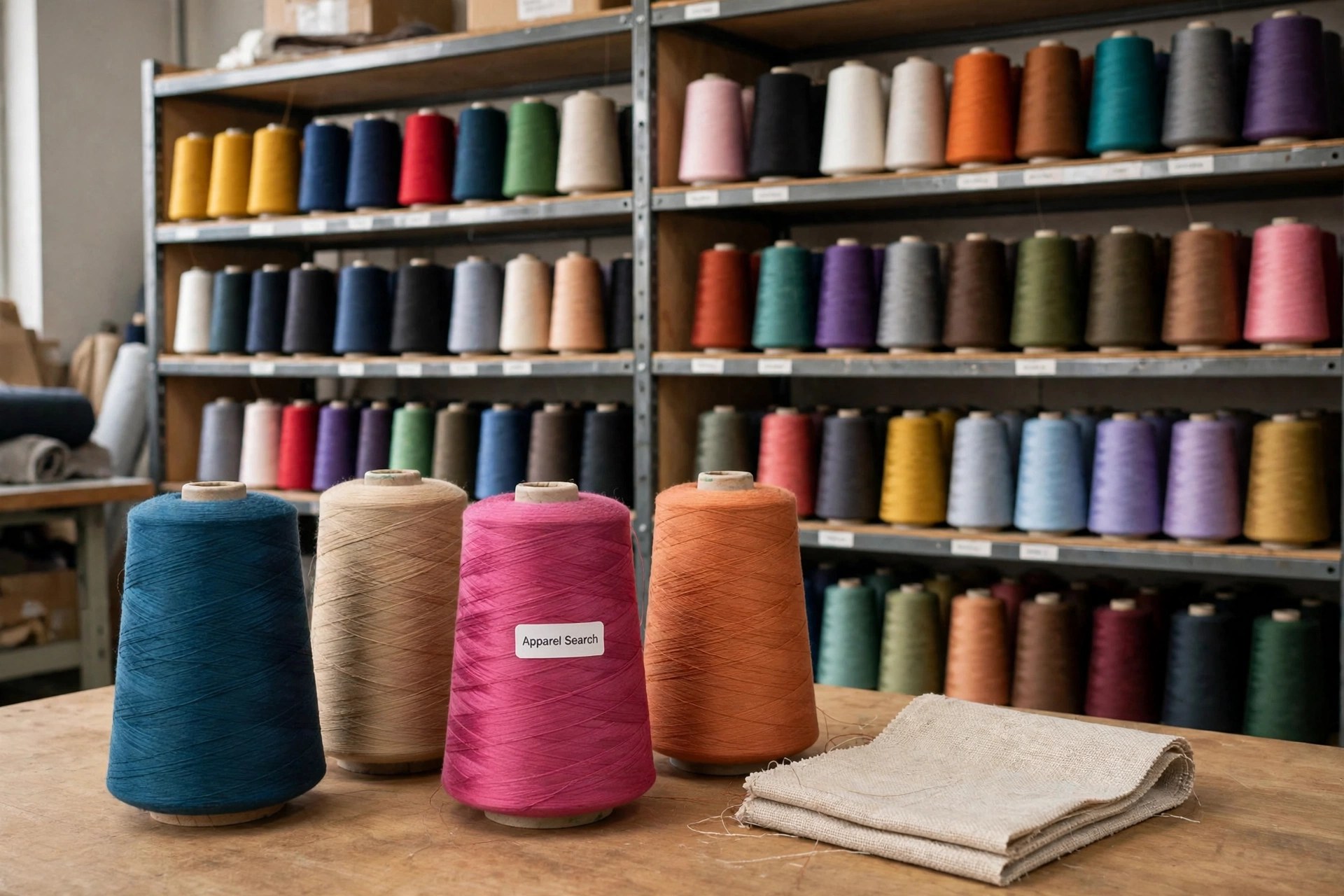
Thread Guides and Resources
- Wholesale Fasteners
- Wholesale Fibers
- Wholesale Fur
- Wholesale Garment bags
- Wholesale Hangers
- Wholesale Interlining
- Wholesale Lace
- Wholesale Leather
- Wholesale Mannequins
- Wholesale Narrow fabrics
- Wholesale Security tags
- Wholesale Sewing machine needles
- Wholesale Shoulder pads
- Wholesale Store fixtures
- Wholesale Trim
- Wholesale Yarn
- Wholesale Zippers
- Thread Factory
- Thread Definition
- B
- California Thread & Supply, Inc.
- UK Sewing Services
- sales@sewing.co.uk
- Sewing Machine Needle Wholesalers
- Sewing Machine Wholesalers
- Sewing Thread Winding Machinery
Thread Wholesalers and Distributors
Bangkok Import & Export
Bangkok Import & Export (Jordan): they are dealing in textiles and garment accessories. They are in a position to meet your inquiries with good quality and compet i tive prices Address: King Husseing Street, Amman 11192 Jordan Phone: 00962 77 49 69 56 or: 00 962 6 5695990 Email: assar@accessme.com Contact: R ashwan A l A ssar / director Wholesale items: Wholesale Item # 1: textiles; Wholesale Item # 2: zippers; Wholesale Item # 3: sewing threads; Wholesale Item # 4: fashion buttons; Wholesale Item # 5: ribbon.
Bertner Thread
B ertner T hread : they carry all types of threads including: Spun Polyester Texturized Polyester Polyester Core Threads Continuous Filament Nylon/poly Thread 100% Cotton Thread in all Finishes Monofilament Thread Ready Wound Bobbins.
California Thread & Supply, Inc.
California Thread & Supply, Inc.(CTS): USA, California. Distributors of industrial sewing threads, elastic, plastic hangers, poly bags, scissors, shoulder pads, zippers, sewing machine needles and sewing accessories. CTSUSA.com is an online sewing supply store that lets anyone buy sewing items at wholesale prices with no minimums. Address: 1827 S. Broadway, Los Angeles, CA 90015 Phone: 213-749-4975 E-mail: sales@ctsusa.com Contact: James Wholesale items: Wholesale Sewing Thread; Wholesale Clothing Hangers; Wholesale Shoulder Pads; Wholesale Zippers; Wholesale Sewing Machine Needles.
UK Sewing Services
UK Sewing Services (United Kingdom): Stockists and suppliers of quality sewing thread, elastic & trimmings. Pressfastener, eyeletting and button covering machinery specialists. Address: Rock Cottage Quarry Ffrith LL11 5EH Tel: +448708508982 email: sales@sewing.co.uk Contact: Sales Wholesale items: Rigilene; Trimmings; Sewing thread; studs; eyeletting; rivets; elastic.
Working With Thread
In production, sewing thread covers industrial sewing threads for garment factories, in the fibre types, ticket sizes and cone put-ups production lines use every day. Buyers usually start from the garment or fabric they are making and work backwards to the specification: the right type for the product, the right capacity or size for the order, and a quality level that stays consistent from the first delivery to the last. A small mismatch at this stage, a slightly different shade, size, gauge or finish, can stop a production line or force rework on finished garments, so experienced buyers treat thread as a production input to be specified carefully, not as a commodity to be bought on price alone.
That is why the listings on this page are worth reading in full before you contact anyone. Each entry describes what the company actually sells, the markets it serves and how to reach it, so you can shortlist suppliers whose range genuinely fits your product. Where a listing gives product categories, check them against your own bill of materials or production plan. Where a company serves several industries, confirm that it regularly supplies clothing and textile manufacturers, because service, sizing systems and quality expectations differ between industries even when the product name sounds the same.
Choosing a Thread Supplier
When you compare suppliers of sewing thread, the deciding details are thread fibre, ticket size and colour fastness, tested in the actual seam so stitch strength matches the garment. Ask for samples, swatches, a demonstration or a trial quantity before committing to a bulk order, and confirm the specification in writing on the order itself. Agree in advance how quality will be checked on arrival, what happens if a delivery does not match the agreed specification, and how repeat orders will be handled so the second delivery matches the first. For machinery and equipment, also confirm installation, operator training, spare parts availability and local service support; for components and materials, confirm minimum order quantities, lead times and how the goods are packed for shipping.
Price still matters, but it should be compared on the full cost of using the product: yield, waste, reliability and the cost of a production delay usually outweigh a small difference in unit price. Keep a record of which supplier provided each batch, so any quality question later can be traced back quickly. If you are buying for export production, also check that the thread you choose meets the standards your customer's market requires, and keep the supplier's technical documents with the order file.
Planning ahead also protects quality. Most factories reorder thread against a production calendar rather than waiting until stock runs out, because a rushed substitute bought at the last minute is the most common cause of shade, size or performance differences between production runs. Keep approved samples of the thread you use, labelled with the supplier's name and the date, and compare every new delivery against them. If a supplier discontinues a line you depend on, that sample file is what lets another supplier match it accurately.
Common Questions
What should a buyer check before ordering thread wholesale?
Check thread fibre, ticket size and colour fastness, tested in the actual seam so stitch strength matches the garment. Confirm the details in writing, and test a sample, swatch or trial quantity on your own fabric or product before placing a bulk order.
Who buys thread through a wholesale directory?
Garment factories, textile mills, converters, laundries and other trade buyers who use sewing thread in production. The listings here are business-to-business suppliers, not retail shops.
Why do minimum orders and lead times vary between thread suppliers?
Each supplier works differently: some stock standard ranges for quick delivery, while others make or import to order. Ask about minimum quantities, stock levels and lead times when you first contact a company, so your production schedule is built on confirmed dates.