Apparel Search on Google Friend Connect
A retired chapter of social following
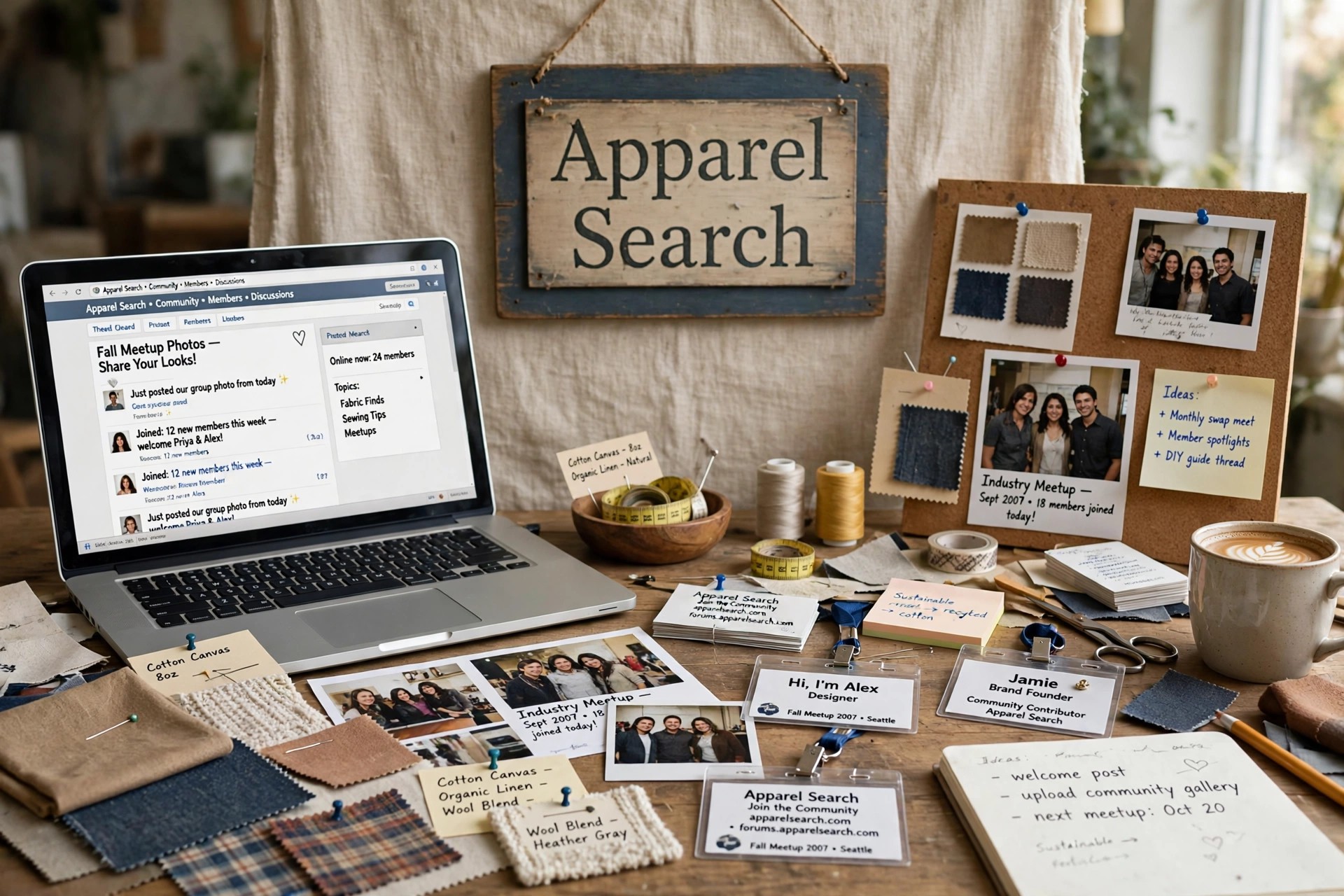
Google Friend Connect was a Google service that let webmasters add social features to their sites by embedding a few snippets of code - a gadget through which readers could join a site, see fellow members and carry a profile from site to site. Apparel Search adopted it in the era when every website was building its own small social layer, inviting the fashion community to connect directly on the guide's pages.
The service did not last. Google announced its retirement as part of a round of spring cleaning, and the fashion audience it gathered was urged toward Google+, Google's successor network. This page keeps the whole arc in one place: what Friend Connect was, when and why it ended, and what happened to the replacement.
The Google Chapter and Related Guides
Social Features by Snippet
Friend Connect's appeal was how little it asked of a site owner. Embedding a few snippets of code added a members gadget, sign-in through an existing account and social features that would otherwise have required building a registration system from scratch. For a hand-built directory like Apparel Search, that mattered: readers could become visible members of the site, and a fashion community could form on the pages themselves rather than only on outside networks.
The invitation of the period was personal - be a friend, join the site, do not let the fashion industry get lonely. That tone matched the tool: Friend Connect was about lightweight affiliation, a face and a name attached to a site you visited, rather than the full feed machinery of a destination social network.
Retirement, Announced in Advance
Google's spring-cleaning announcement set the end date plainly: Friend Connect was retired for all non-Blogger sites on March 1, 2012. Affected sites were encouraged to create a Google+ page and place a Google+ badge on their site, so they could bring their community of followers to Google+ and use new features like Circles and Hangouts to keep in touch.
Apparel Search followed that path, pointing its fashion readers to the guide's Google+ coverage. The pattern is worth noting because it repeated across the social web: a platform builds a following tool, sites invest in gathering an audience inside it, and the audience's address changes when the platform's strategy does. The directory itself - owned, addressed and independent - is the constant underneath those migrations.
And Then Google+ Ended Too
A January 2019 update completes the story. Google, having previously closed Friend Connect and suggested everyone turn to Google+, decided to end that service as well, after years in which sites had built their followings there. Readers who want the flavor of that moment can find the guide's own commentary in the Google Evil Empire post on the Apparel Search fashion blog, linked in the References below.
Two successor systems, both closed, make the underlying lesson concrete for any fashion business building an audience today. Borrowed platforms are excellent for discovery and conversation, and Apparel Search continues to use them - the social pages in this section are the proof. But the followers belong to the platform, while the readers of an owned guide belong to the guide, which is why each of these social outposts ultimately points back here.
The Wider Google Footprint
Friend Connect was one piece of a broader Google-era presence. Fashion discussions ran through Google Groups, where readers could join groups devoted to fashion news articles, the fashion network and fashion blogs, with a directory of fashion groups created on Google Groups alongside. A family of small Google Sites guides covered the guide's main subjects one by one - fashion jobs, the fashion guide itself, fashion news articles, clothing warehouses, the Apparel Search directory and the wider fashion industry, its jobs and its news.
Practical social craft belonged to the same period: short messages on micro-blogging services made tiny URLs worth explaining, and video viewing pointed to the Apparel Search channel on YouTube. Taken together, the footprint shows a directory treating every Google property of its day as another door into the same building - a strategy whose doors keep changing, and whose building remains.
Common Questions
What was Google Friend Connect?
A Google service that let webmasters add social features to their sites by embedding a few snippets of code, so readers could join a site and connect with fellow members.
When did Google Friend Connect end?
Google retired the service for all non-Blogger sites on March 1, 2012, encouraging affected sites to create a Google+ page and carry their community there.
What happened to the Google+ replacement?
Google later ended Google+ as well - a January 2019 update records the second closure, after years in which sites had built their followings on the successor service.
More to Explore
References & Further Reading
- Google's post about spring cleaning
- Google Evil Empire
- fashion videos on YouTube
- fashion news articles group
- fashion network group
- fashion blog group
- fashion groups
- Fashion Jobs Guide
- Fashion Guide
- Fashion News Guide
- Clothing Warehouses Guide
- Apparel Search Guide
- Fashion Industry Guide
- Fashion Industry Jobs Guide
- Fashion Industry News Guide
- Fashion Models