Children's Boys Neckwear Guide
Boys' neckwear is the small category with the largest effect: the ties, bow ties, clip-ons and neckerchiefs that turn a school shirt into an outfit and a suit into an occasion. Neckwear adds a dapper, polished touch - a range of accessories worn at the neck that let a boy express a young, finished style - and that is the whole case for the category: nothing else this inexpensive changes a boy's presentation this completely.
Shop Children's Boys Neckwear Now
Shop Children's Boys Neckwear on Amazon Shop Children's Boys Neckwear on eBayThe Amazon and eBay links on this page are affiliate links. If you make a purchase through them, Apparel Search may earn a commission.
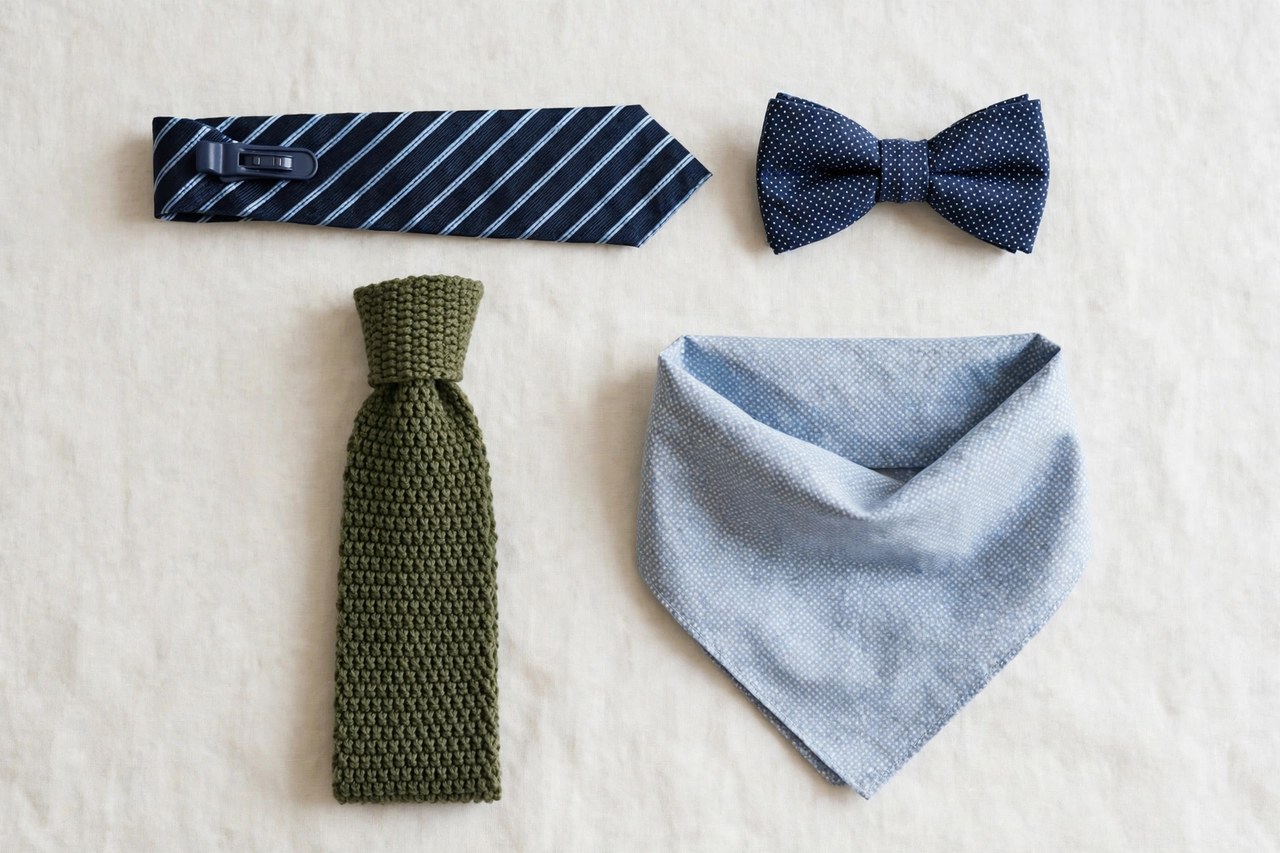
Boys' neckwear is the small category with the largest effect: the ties, bow ties, clip-ons and neckerchiefs that turn a school shirt into an outfit and a suit into an occasion. Neckwear adds a dapper, polished touch - a range of accessories worn at the neck that let a boy express a young, finished style - and that is the whole case for the category: nothing else this inexpensive changes a boy's presentation this completely. This guide explains what to look for, how the sizing actually works, which fabrics and constructions earn their price, and how to care for the garment so it keeps doing its job all season.
Styles and Construction
The families divide by mechanism. Clip-on and zipper ties are the self-dressing standards for younger boys: consistent knot, no skill barrier, no safety concern, and indistinguishable from tied ties at photograph distance. Self-tie ties enter when a boy is ready to learn the four-in-hand - usually with a suit or a school that requires one - and the learning is itself part of the garment's value. Bow ties, pre-tied for the young and self-tied for the committed, own the festive register; knitted ties soften any outfit they join; neckerchiefs belong to uniforms and camps rather than occasions.
Children's accessories succeed on safety and simplicity: no small detachable parts for the youngest children, no long cords or ties that can catch on playground equipment, and closures a child can work alone. Materials should tolerate the child's real life - washable, chew-resistant for toddlers, and free of rough edges against skin. An accessory that needs adult help every time it is worn will simply stop being worn, however handsome it looks in the shop.
Fit and Sizing
Lengths and widths follow the boy, not the adult rack: a tie should reach the belt line, its width should echo the shirt's collar spread and the jacket's lapels, and a knot should fill the collar's V without straining it. Silk is the occasion material, polyester microfiber the school survivor - stain-resistant, washable in many cases, and honest value for a garment worn under school dinners. Patterns scale down for boys: smaller dots, narrower stripes, nothing that shouts across a photograph.
Accessories fit by measurement, not by age label: head circumference for hats, waist for belts measured over the trousers the belt will hold up, and hand length for gloves. Makers' charts vary more for accessories than for clothing, so measure and read the chart every time. Anything worn at the neck or head must fit close enough to stay put in play and loose enough to pull off easily - if a child cannot remove it alone, it does not fit yet.
Wearing and Care
Neckwear care is storage: hang ties on a rack or roll them, never leave the knot tied, and let a worn tie rest a day before wearing it again. Spots come out with prompt blotting, never rubbing. A boy's tie collection that fits in one hand - school, occasion, festive - covers boyhood completely, and the clip-on that got him through age seven graduates to the memory box rather than the bin more often than any other garment in this guide.
Store children's accessories where the child can reach them - a low basket for hats and gloves, a hook for the belt - because an accessory with a home is an accessory that gets worn and does not get lost. Wash hats and soft accessories on the gentle cycle inside a mesh bag, reshape while damp, and check straps, buckles and fasteners monthly for cracks or looseness. Keep a spare pair of gloves and a spare hat from the start; winter loses them on schedule.
Common Questions
Clip-on or self-tie tie for a boy?
Clip-on or zipper ties until he can tie a four-in-hand reliably - usually somewhere between eight and eleven, and worth teaching deliberately when the moment comes. The pre-tied knot is consistent, safe and photograph-perfect; the self-tie is a skill and a small ceremony of growing up. Schools that require ties usually accept either, and the wise family owns the clip-on as the reliable understudy either way.
How long should a boy's tie be?
The tip should reach the belt line when knotted - the same rule as adult ties, scaled by the fact that boys' ties are made shorter. Buy by the boy's height band on the chart rather than by age, and re-check at each growth spurt: a tie that was right in September can be visibly short by spring without anything being wrong with either the boy or the tie.
What neckwear does a boy need for school and occasions?
Three pieces cover nearly everything: the school tie in its required form, one silk or silk-look tie in a quiet pattern for occasions and photographs, and one festive piece - a bow tie usually - for celebrations. Add a knitted tie where the wardrobe leans casual-smart. Beyond that set, neckwear buying is collecting, which has its own pleasures but no wardrobe necessity.
More in Children's Clothes Guide B
The B letter hub and the guides closest to this one:
Looking for Children's Clothing Stores?
This guide helps you choose children's boys neckwear. To browse where to buy, visit our children's clothing store directory, where you can find retailers that carry them.