Children's Boys Outerwear Guide
Boys' outerwear is the full protective wardrobe: the winter coats, waterproof shells, rain jackets and insulated layers that stand between a boy and the weather his life happens in. Outerwear is essential protection with style - warm in winter, comfortable in breezy springs, fashionable throughout - sorted here into the layered system that actually gets bought and worn.
Shop Children's Boys Outerwear Now
Shop Children's Boys Outerwear on Amazon Shop Children's Boys Outerwear on eBayThe Amazon and eBay links on this page are affiliate links. If you make a purchase through them, Apparel Search may earn a commission.
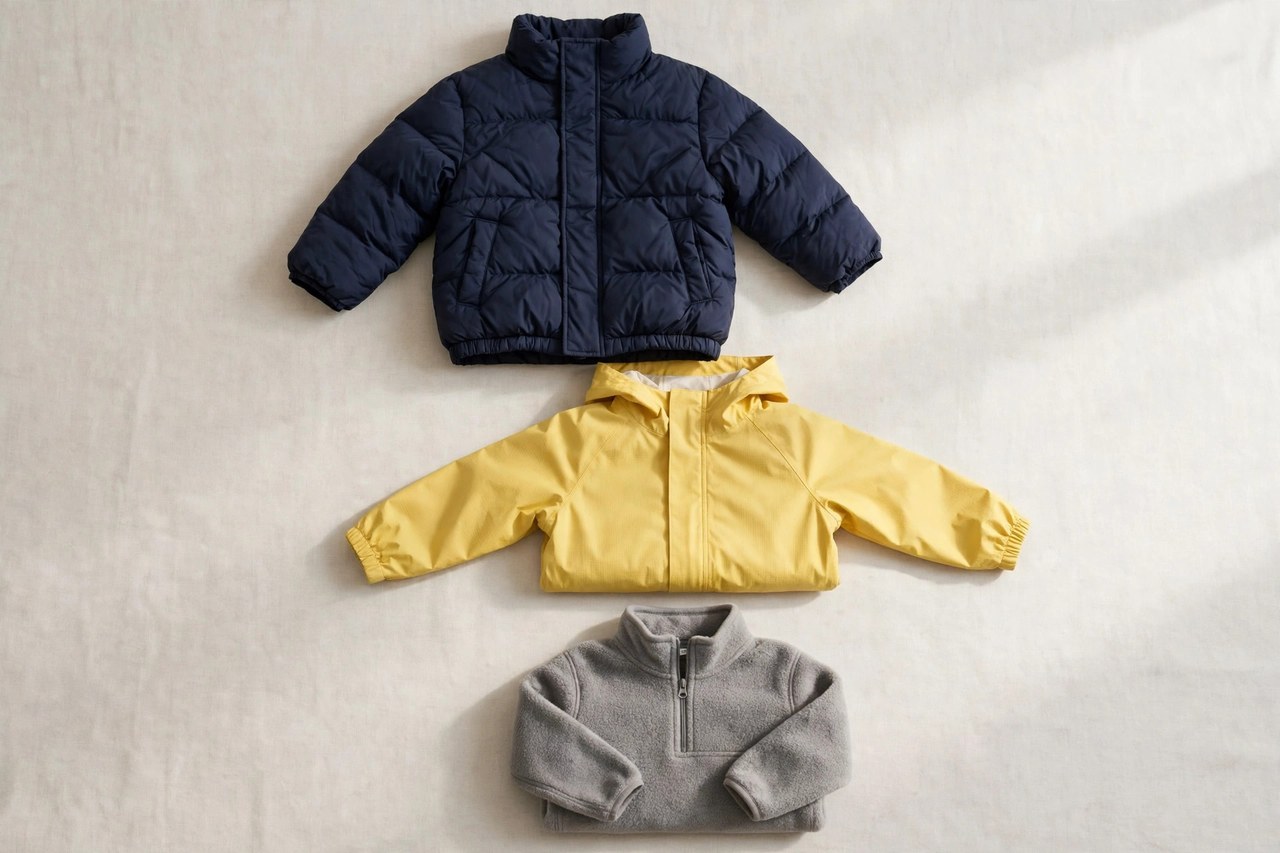
Boys' outerwear is the full protective wardrobe: the winter coats, waterproof shells, rain jackets and insulated layers that stand between a boy and the weather his life happens in. Outerwear is essential protection with style - warm in winter, comfortable in breezy springs, fashionable throughout - sorted here into the layered system that actually gets bought and worn. This guide walks through the choices that matter - style, fit, fabric and finish - with the practical detail a product listing rarely gives, and closes with the care habits that keep the garment in service.
Styles and Construction
The system has three layers that combine rather than compete. The shell - waterproof, windproof, sealed at the seams - handles rain and wind alone in mild weather and becomes the outer skin of the winter system. The insulation - down, synthetic fill or heavy fleece - supplies warmth, worn alone on dry cold days. Worn together over a base, shell plus insulation is the deep-winter configuration. Rain jackets are the shell in its lightest form and the most-used outerwear most boys own; ski and snow lines add the reinforced cuffs, powder skirts and pass pockets their sport demands.
Children's outerwear has to work at child height: zippers with large pulls that small, cold fingers can grip, hoods that detach or lie flat under a backpack strap, and cuffs that adjust so sleeves stay put while arms grow. Reflective trim is a genuine safety feature on coats worn to school in winter light. Waterproof ratings matter less than sealed seams - an unsealed waterproof fabric still leaks exactly where a child gets wettest, along the stitching.
Fit and Sizing
Fit outerwear for the system, not the day: room for the layers it will cover, sleeves that still cover wrists with arms raised to catch a ball or a rail, and a hem that covers the seat for warmth. Closures must work with gloves on - large zips, generous tabs - and hoods must turn with the head at road crossings. A coat bought exactly right over a T-shirt in a warm shop in September is a coat that fails its first real test in January.
Fit children's outerwear over the bulkiest layer it will honestly cover, then test the working range: arms forward, arms overhead, sitting with the zipper closed. Sleeves should still cover the wrist with arms raised, the hem should cover the seat for warmth, and the hood should turn with the head so the child can see sideways at road crossings. A coat fitted over a T-shirt in September will be a coat outgrown by January.
Wearing and Care
Outerwear is the most pass-down-able clothing boys own, because it is worn over everything and outgrown before it is outworn. That argues for the quality end of a family's budget here, honest care between seasons, and storage clean and uncompressed so insulation keeps its loft. The jacket guide in this letter covers the lighter half of the same wardrobe; between the two pages, a boy is covered from the first cool day to the last storm.
Hang children's coats on a hook at child height so they actually get hung up, and air them after wet wear before they go back in the closet. Wash waterproof pieces with the detergent the maker specifies and refresh the water-repellent finish when rain stops beading on the surface. Zip every zipper and close every strap before washing to protect both the coat and the rest of the load, and store the coat clean - ground-in playground dirt is what degrades coatings in storage.
Common Questions
What outerwear does a boy need for winter?
A waterproof shell and a warm insulation layer that work together and apart, plus the jacket-weight layer for ordinary cold days. In genuinely cold climates that usually means one insulated waterproof coat doing both jobs daily, with a lighter rain jacket for the wet mild spells. The test is the coldest ordinary day of his actual life - school run, sport, waiting - not the extreme day of the decade.
How do you choose between down and synthetic insulation for boys?
Synthetic for most boys: it insulates when wet, washes in the machine and costs less - three decisive advantages in clothing worn to school and sport. Down wins on warmth per weight for dry, serious cold and compresses for travel, but it sulks when wet and needs careful washing. The climate and the laundry decide, and for school-age life they usually decide synthetic.
Should boys' outerwear be bought a size up?
A half-step of room for layering is built into good outerwear already; buying a full size up usually buys sleeves over hands and a hem at the knees for the whole first season. Fit the system - coat over its bulkiest honest layer - and let growth features like extendable cuffs, where offered, supply the second season. Outerwear passes down so well that a right-sized coat serves more boys in total.
More in Children's Clothes Guide B
The B letter hub and the guides closest to this one:
More to Explore on Apparel Search
Looking for Children's Clothing Stores?
This guide helps you choose children's boys outerwear. To browse where to buy, visit our children's clothing store directory, where you can find retailers that carry them.