Children's Boys Jackets Guide
Boys' jackets are the lighter half of outerwear: the denim, bomber, varsity, fleece and softshell layers that carry a boy through spring, autumn and every cold classroom and evening between. Jackets are versatile outerwear for young explorers, stylish and functional together, and the distinction from the outerwear guide in this letter is weight: jackets are the layers worn a hundred days a year, where coats are the armor for the worst twenty.
Shop Children's Boys Jackets Now
Shop Children's Boys Jackets on Amazon Shop Children's Boys Jackets on eBayThe Amazon and eBay links on this page are affiliate links. If you make a purchase through them, Apparel Search may earn a commission.
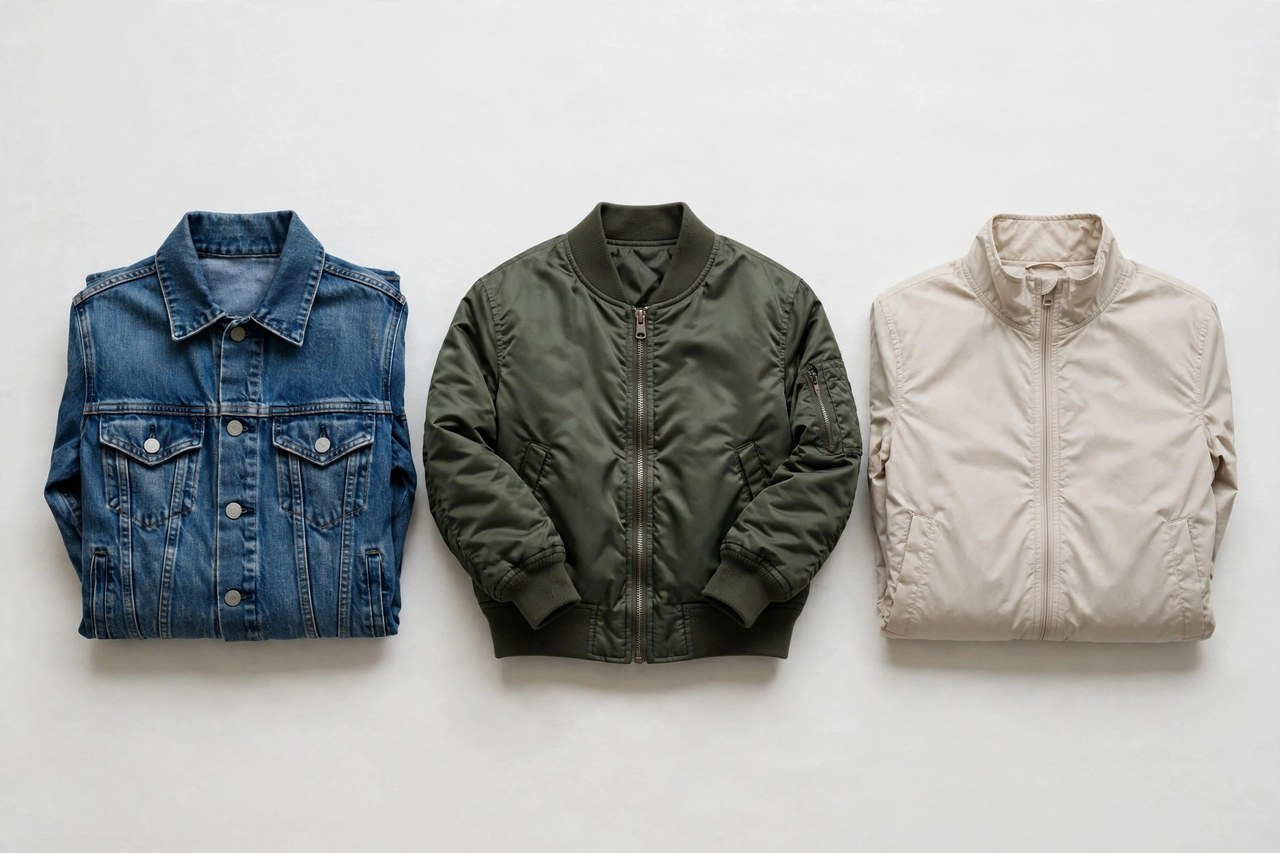
Boys' jackets are the lighter half of outerwear: the denim, bomber, varsity, fleece and softshell layers that carry a boy through spring, autumn and every cold classroom and evening between. Jackets are versatile outerwear for young explorers, stylish and functional together, and the distinction from the outerwear guide in this letter is weight: jackets are the layers worn a hundred days a year, where coats are the armor for the worst twenty. This guide covers the styles worth knowing, the fit points that decide comfort, the fabrics and construction that separate a good buy from a regret, and the simple care that makes the garment last.
Styles and Construction
The families run by fabric and job. Denim is the perennial: structured, hard-wearing, improving with age, and the jacket most likely to be passed down with its character intact. Bomber and varsity styles bring ribbed cuffs and hems that seal warmth and read unmistakably sporty. Fleece and softshell are the technical line - light, warm, washable, unbothered by rain showers - and the school-compatible zip jacket in plain colors is the quiet workhorse that satisfies dress codes while layering over everything. Lining decides season: unlined for spring, quilted or fleece-lined for autumn's end.
Children's outerwear has to work at child height: zippers with large pulls that small, cold fingers can grip, hoods that detach or lie flat under a backpack strap, and cuffs that adjust so sleeves stay put while arms grow. Reflective trim is a genuine safety feature on coats worn to school in winter light. Waterproof ratings matter less than sealed seams - an unsealed waterproof fabric still leaks exactly where a child gets wettest, along the stitching.
Fit and Sizing
Construction checks are quick and decisive: a zipper that runs one-handed without catching the storm flap, cuffs that stay put, pockets that close, and seams that survive a shrug test in the shop. Hoods divide opinion and dress codes - detachable is the diplomat's answer. For a growing boy, the sleeve is where a jacket dies first, so a style whose cuffs can turn down buys the extra season honestly rather than by buying large all over.
Fit children's outerwear over the bulkiest layer it will honestly cover, then test the working range: arms forward, arms overhead, sitting with the zipper closed. Sleeves should still cover the wrist with arms raised, the hem should cover the seat for warmth, and the hood should turn with the head so the child can see sideways at road crossings. A coat fitted over a T-shirt in September will be a coat outgrown by January.
Wearing and Care
A jacket rotation of two - one structured, one technical - covers the year between coat seasons for most boys, and both wash and wear better for being alternated. Name-label every school jacket without exception; jackets are shed at noon and forgotten at rates approaching the statistical certainty of gloves, and the label is the only part of this purchase guaranteed to be tested.
Hang children's coats on a hook at child height so they actually get hung up, and air them after wet wear before they go back in the closet. Wash waterproof pieces with the detergent the maker specifies and refresh the water-repellent finish when rain stops beading on the surface. Zip every zipper and close every strap before washing to protect both the coat and the rest of the load, and store the coat clean - ground-in playground dirt is what degrades coatings in storage.
Common Questions
What is the difference between boys' jackets and outerwear?
Weight and duty: jackets are the light and mid layers - denim, bomber, fleece, softshell - worn through spring, autumn and cool days generally, while the outerwear guide covers the full protective range including winter coats and waterproof shells. In practice most boys live in jackets most of the year, which is why this category earns its own guide alongside the heavier one.
Which jacket styles are most versatile for boys?
A plain zip-front jacket in a code-safe color and a denim jacket between them cover school, weekends and most occasions. The bomber and varsity styles add the sporty register, fleece adds the technical one. Versatility comes from plain colors and clean lines - the jacket worn over everything should argue with nothing under it.
How much growth room should a boy's jacket have?
Sleeves to the wrist with arms down and a little cuff in reserve, body length covering the waistband, and room for a sweater beneath without strain at the zipper. Jackets tolerate a size's grace better than coats because they layer variably - but a jacket two sizes large hangs its sleeves over hands all year and is simply the wrong jacket worn long.
More in Children's Clothes Guide B
The B letter hub and the guides closest to this one:
Looking for Children's Clothing Stores?
This guide helps you choose children's boys jackets. To browse where to buy, visit our children's clothing store directory, where you can find retailers that carry them.