Children's Boys Clothing Guide
Boys' clothing is the working wardrobe: the full range of styles and categories, from casual wear to formal attire, that a boy cycles through in a season. Where this letter's boys' clothes page is the directory of categories, this guide is about the wardrobe as a living system - how the categories combine, what a complete set contains, and how it is bought, rotated and refreshed as boys grow through it at their unreasonable speed.
Shop Children's Boys Clothing Now
Shop Children's Boys Clothing on Amazon Shop Children's Boys Clothing on eBayThe Amazon and eBay links on this page are affiliate links. If you make a purchase through them, Apparel Search may earn a commission.
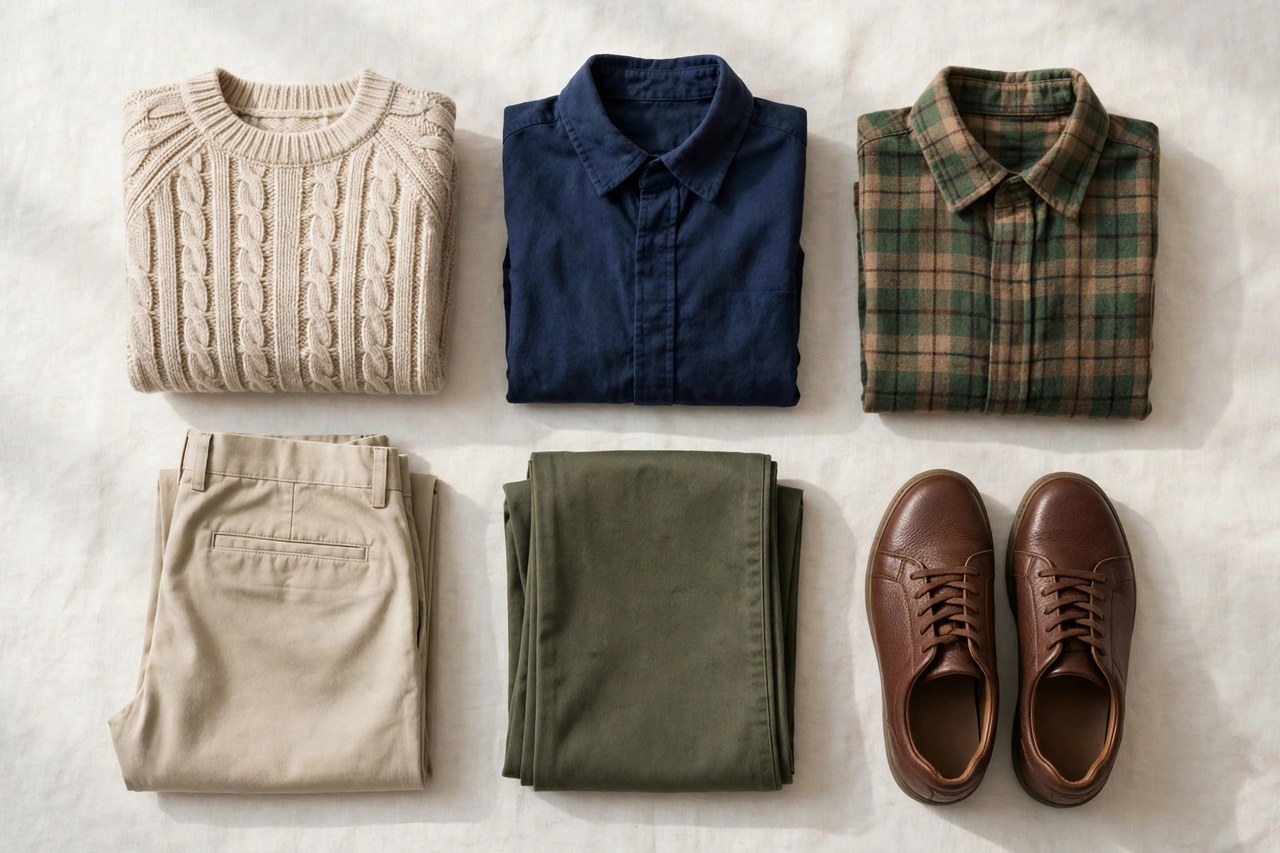
Boys' clothing is the working wardrobe: the full range of styles and categories, from casual wear to formal attire, that a boy cycles through in a season. Where this letter's boys' clothes page is the directory of categories, this guide is about the wardrobe as a living system - how the categories combine, what a complete set contains, and how it is bought, rotated and refreshed as boys grow through it at their unreasonable speed. This guide explains what to look for, how the sizing actually works, which fabrics and constructions earn their price, and how to care for the garment so it keeps doing its job all season.
Styles and Construction
The system has three tiers. Everyday clothing - tees, polo shirts, pants, shorts and socks - is bought for durability and wash survival, in quantities matched to the laundry cycle. School and smart clothing - shirts, trousers, jackets, suits and neckwear - is bought for fit and finish, in smaller counts. Activity clothing - bathing suits, sports kit, outerwear and boots - is bought for its specific conditions. The tiers cover exactly this breadth - styles, categories and shopping destinations together - and turn that breadth into a plan instead of a pile.
Children outgrow clothes before they wear them out, so the honest specification is fit now with room to grow, construction that survives the wash cycle it will actually get, and a price that respects how short the service life is. Measure the child - height, chest, waist and foot - rather than trusting the age on the label, because age sizing is an average no individual child is obliged to match. Keep the measurements with the shopping list.
Fit and Sizing
Growth is the system's clock: a wardrobe review each season, sizes checked against fresh measurements, outgrown pieces passed on while they still carry wear. Buy the tier-one core in the current size with growth features - adjustable waists, let-down hems, stretch collars - and resist stocking the next size in fashion pieces, which date faster than boys grow. The wardrobe that fits the boy in front of you beats the warehouse of nearly-right clothes every time.
Measure the child twice a year - height, chest, waist, inside leg and foot length - and shop from those numbers, because age-based sizing assumes an average child and growth rarely follows the average. Keep the measurements on the phone or the shopping list. Between sizes, choose by garment: tops and outerwear tolerate the larger size, bottoms and footwear rarely do. And try everything on under real conditions - over layers, with school shoes, at the end of the day for feet.
Wearing and Care
The destinations question answers itself once the tiers are set: staples where value and multipacks live, smart pieces where fitting and fabric can be handled, activity pieces at the specialists. Keep the five measurements current and every channel becomes usable, because boys' clothing online fails on sizing far more than on selection - a measured boy is a well-dressed boy in any shop in the world.
Five habits preserve any child's wardrobe: wash by the label, treat stains before they are dried into the fabric, mend the small tear while it is small, store each season clean, and pass on outgrown pieces promptly while they still have wear in them. Keep a small repair kit where the clothes live - needle, thread in the family's common colors, spare buttons and iron-on patches - and most clothing emergencies shrink to five minutes.
Common Questions
What should a basic boys' clothing wardrobe contain?
A laundry-cycle rotation of everyday tops and bottoms, socks and underwear in quantity, one smart outfit with the shirt, trousers, jacket and neckwear it needs, outerwear for the climate, footwear for school, play and occasions, and the activity pieces his life includes - swim, sport or western. Counts follow the wash cycle and the calendar; the tier system in this guide turns the list into purchases.
How often should boys' clothing sizes be checked?
Every season at minimum, and at any growth spurt - trousers that were right in September can be short by spring without any single dramatic moment. Keep height, chest, waist, inside leg and foot length current, and let those five numbers, not last year's labels, drive each season's buying across every category in this section.
Is it worth buying boys' clothing a size up?
For tops and outerwear with growth features, a careful half-step of room is normal buying. For trousers without adjustable waists and for footwear, no: ill fit now is not redeemed by fit later, because the garment may be worn out, out of fashion or out of season before it fits. Buy the boy in front of you, with adjusters doing the growing.
More in Children's Clothes Guide B
The B letter hub and the guides closest to this one:
More to Explore on Apparel Search
Looking for Children's Clothing Stores?
This guide helps you choose children's boys clothing. To browse where to buy, visit our children's clothing store directory, where you can find retailers that carry them.