Children's Slippers Guide
Children's slippers are indoor footwear: soft, light shoes made for the house, protecting feet from cold floors, giving grip on smooth surfaces, and keeping socks from wearing through or sliding. For a whimsical detour, learn more about glass slippers if you want a magical experience — but this guide stays with the real, washable, non-slip article: the slipper types, the soles that matter on hard floors, and the fit that keeps a slipper on a running-in-the-house foot.
Shop Children's Slippers Now
Shop Children's Slippers on Amazon Shop Children's Slippers on eBayThe Amazon and eBay links on this page are affiliate links. If you make a purchase through them, Apparel Search may earn a commission.
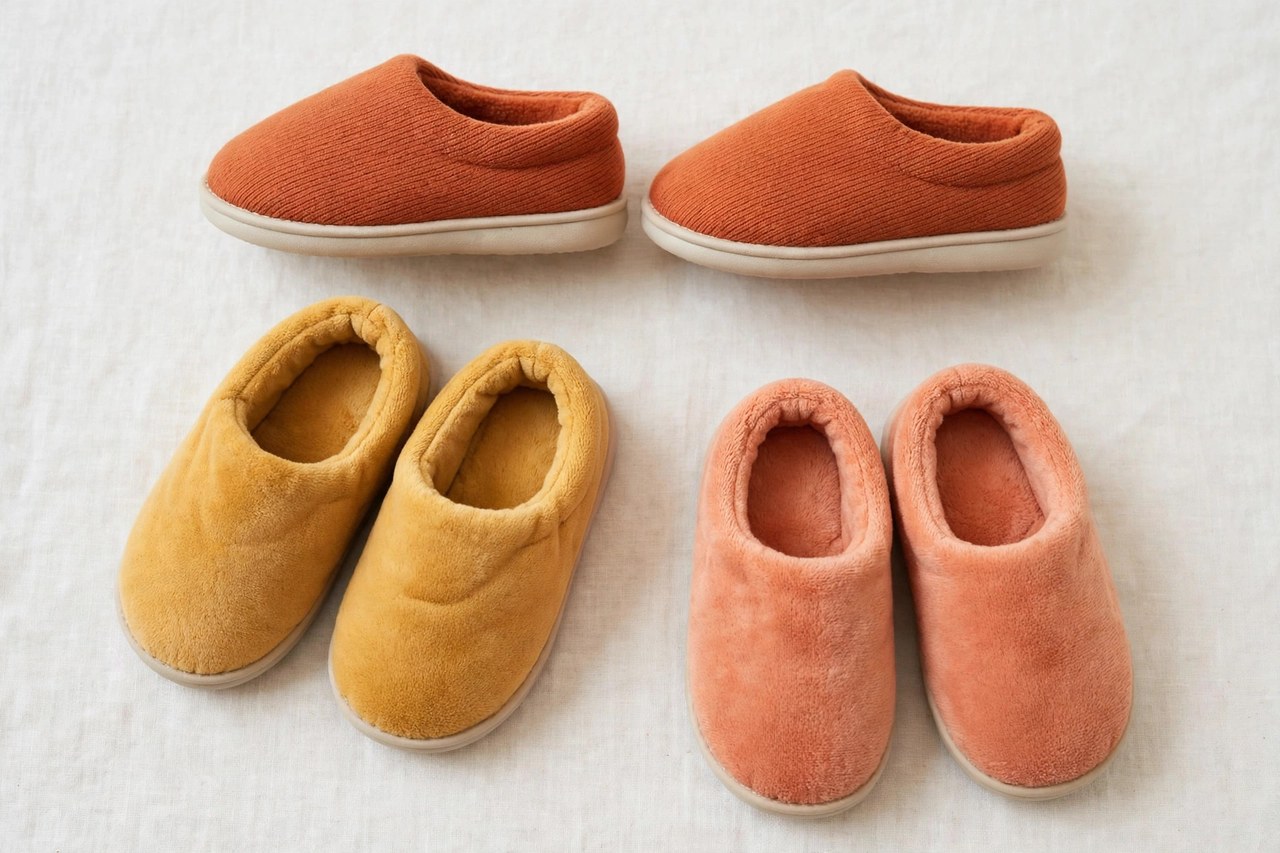
Children's slippers are indoor footwear: soft, light shoes made for the house, protecting feet from cold floors, giving grip on smooth surfaces, and keeping socks from wearing through or sliding. For a whimsical detour, learn more about glass slippers if you want a magical experience — but this guide stays with the real, washable, non-slip article: the slipper types, the soles that matter on hard floors, and the fit that keeps a slipper on a running-in-the-house foot.
Keep the footwear jobs in this letter separate. The shoes guide covers the whole system, sandals own summer, sneakers own sport, and slippers own the indoors. A slipper asked to do outdoor duty fails quickly, and a shoe worn all evening indoors is heavier than the job needs. The slipper's virtues are warmth, grip and softness, in that order.
Slipper Types: Moccasin, Bootie, Slide and Full Shoe Styles
Full slipper shoes — a soft upper with a closed heel and a flexible sole — are the most secure and the nursery and school standard for indoor shoes in many settings. Moccasin styles wrap the foot in soft leather or suede with a gathered front, warm and durable, moulding to the foot. Bootie slippers extend up the ankle and stay on the feet of children who kick every other style off. Slides and backless mules are the least secure and suit only older children for short indoor trips.
Novelty slippers shaped as animals and characters are bought with the heart, and that is fine — provided the sole underneath still passes the grip test and the decoration adds no hard parts at the toe or tripping bulk around the foot. Check that character heads and ears do not make the slipper so front-heavy it flops when walking. A child who loves their slippers wears them, and a worn slipper is the only kind doing its job on cold floors.
Soles, Grip and the Hard-Floor Problem
The modern house is a grip problem: wood, laminate and tile floors are where children in socks slide, and the slipper exists largely to solve it. Look for a sole with real tread or grip pattern in rubber or textured synthetic across the whole foot, not a smooth suede bottom or a few token dots. Sock slippers with grip prints help toddlers but the prints wear smooth and must be checked. A slipper sole should flex fully with the foot — indoor footwear should never be stiff — while still being thick enough to blunt a stepped-on toy brick, within reason.
Fit slippers like shoes, a little closer: about half a centimetre to a centimetre of toe room, a heel that stays in place when the child walks and climbs stairs, and an opening the child can get a foot into alone. Slippers that slip off on stairs are a fall risk worse than bare feet. Sizes follow shoe sizes in most brands, but check against the child's current shoe size rather than last winter's, since a season of growth hides between one winter and the next.
Care, Washing and Knowing When a Pair Is Done
Slippers live on floors and absorb what floors hold, so washable slippers earn a premium: check the label before buying, because a slipper that can go in the machine will be washed, and one that cannot will be worn dirty. Air slippers between wears, wash or air them when they develop the closed-up smell of daily indoor use, and dry them fully away from radiators, which crack leather moccasins and melt synthetic grips.
A slipper is done when its tread has smoothed, its sole has thinned at the heel or ball, its upper has torn from the sole, or its fit has gone. None of these is visible from across the room, so check slippers at the start of the cold season and whenever a child reports sliding. Hand down only slippers with tread, sole and hygiene you would accept for your own child — in practice, lightly worn pairs within a family. Chosen for grip first and charm second, slippers quietly prevent more household tumbles than any other item in this letter.
Common Questions
What sole should children's slippers have?
A full-length treaded or textured grip sole that flexes with the foot. Smooth suede bottoms and worn grip prints slide on wood, laminate and tile — the floors slippers exist for. Check tread at the start of each cold season and replace slippers whose soles have smoothed or thinned.
Which slipper style stays on best?
A full slipper shoe with a closed heel, or a bootie style that extends up the ankle for children who kick slippers off. Backless slides are the least secure and suit only older children for short indoor trips. A slipper that slips off on stairs is worse than bare feet.
Should children's slippers be washable?
Washable slippers earn a clear premium, because slippers live on floors and absorb what floors hold. Check the label before buying. Air slippers between wears, wash them when they develop a closed-up smell, and dry them fully away from radiators, which crack leather and melt grips.
More in Children's Clothes Guide S
The S letter hub and related S guides:
More to Explore on Apparel Search
Looking for Children's Clothing Stores?
This guide helps you choose children's slippers. To browse where to buy, visit our children's clothing store directory, where you can find retailers that carry them.