Children's Yellow Raincoats Guide
A children's yellow raincoat is the classic raincoat made visible: a waterproof or water-resistant hooded coat in the bright yellow that drivers, cyclists and playground supervisors can spot at a glance. The reason for the colour is plain: wearing yellow rain coats while outside in the rain makes it a little easier for people to see children playing or riding their bikes. It also gave the safety note that outranks the coat itself: if it is raining, try to get your kids indoors - a raincoat is for the journey, not for playing out in a storm.
Shop Children's Yellow Raincoats Now
Shop Children's Yellow Raincoats on Amazon Shop Children's Yellow Raincoats on eBayThe Amazon and eBay links on this page are affiliate links. If you make a purchase through them, Apparel Search may earn a commission.
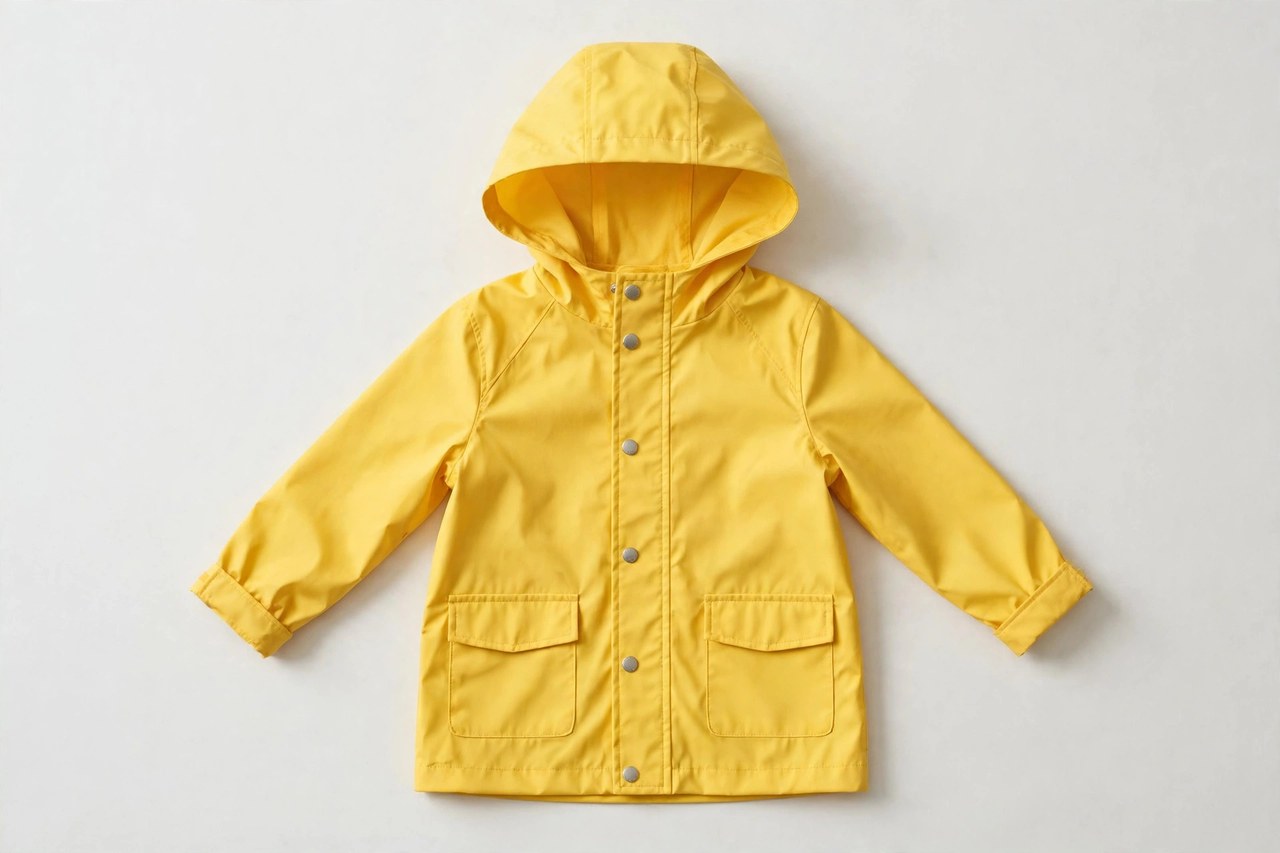
A children's yellow raincoat is the classic raincoat made visible: a waterproof or water-resistant hooded coat in the bright yellow that drivers, cyclists and playground supervisors can spot at a glance. The reason for the colour is plain: wearing yellow rain coats while outside in the rain makes it a little easier for people to see children playing or riding their bikes. It also gave the safety note that outranks the coat itself: if it is raining, try to get your kids indoors - a raincoat is for the journey, not for playing out in a storm.
A raincoat or slicker is a waterproof or water-resistant coat worn to protect the body from rain. The term rain jacket is sometimes used to refer to raincoats that are waist length, and a rain jacket may be combined with a pair of rain pants to make a rain suit. This guide turns those definitions into buying checks: coatings and membranes, hoods and closures a child can work, honest length, and care that keeps the coat waterproof.
Waterproof, Water-Resistant, and What the Seams Do
Waterproof and water-resistant are not the same promise. A water-resistant coat sheds a shower on the walk to school; a waterproof coat - usually a coated fabric or a membrane, with taped or welded seams - keeps a child dry through sustained rain. The seams matter as much as the cloth: a coat can use excellent fabric and still leak along every stitch line if the seams are left untaped. For the school run in real rain, taped seams and a storm flap over the front closure are the two features worth paying for.
Traditional yellow slickers are made from smooth PVC-style coated fabric that wipes clean and shrugs off mud - heavy, a little stiff, and utterly reliable. Modern versions use lighter coated nylon or polyester with a soft lining, which packs smaller and feels kinder for all-day wear. Either way, check the inside: a mesh or fabric lining stops the coating sticking to arms in warm rain, and ventilation eyelets or a back vent keep a child from overheating on the walk the coat is meant to protect.
Hoods, Closures and Honest Length
The hood is half the coat's job. It should fit over the head without covering the eyes, adjust or sit close enough not to blow back in wind, and - for cycling and roadside walking - leave side vision clear, because a child who cannot check over a shoulder will take the hood off. A small peak at the hood's front throws drips clear of the face. Closures should be workable with cold, wet fingers: large snaps, a chunky zip with a storm flap, or both in combination, with the flap stopping rain driving straight through the zip.
Length is the other honest measure. A coat that reaches mid-thigh keeps trousers and school skirts far drier than a waist-length rain jacket, which is why the longer raincoat, not the jacket, is the right default for children. Sleeves should cover the wrist when arms reach forward to handlebars or a scooter. Add reflective trims or panels where you can - yellow is visible by day, but in dark winter rain it is reflection, not colour, that headlights pick up first.
Care That Keeps It Waterproof
Raincoats rarely need machine washing; most marks wipe off the coated surface with a damp cloth, which is one of the style's great conveniences. When a wash is needed, follow the maker's label - usually cool, gentle, no fabric softener, because softener coats the fabric and damages water-shedding finishes. Hang the coat to dry fully, open, before it goes back on its hook: a coat stored damp grows mildew on the lining and a smell no child will volunteer to wear.
Check the coat each autumn before the rains settle in: run the zips, click every snap, look for cracks in older coated fabric at the elbows and shoulders, and reproof a wash-in or spray-on finish if water has stopped beading on the surface. Bought one size generous, with sleeves that can be turned up, a good yellow raincoat gives two or three school years of dry arrivals - and on grey mornings it remains, as it has been for generations of children, the brightest thing on the street.
Common Questions
Why are children's raincoats traditionally yellow?
Visibility. Wearing yellow rain coats makes it a little easier for people to see children playing or riding their bikes in the rain. Add reflective trim for dark conditions, when headlights pick up reflection first.
What is the difference between a raincoat and a rain jacket for kids?
The rain jacket is the waist-length version; the raincoat is longer, usually reaching mid-thigh, and keeps trousers and skirts far drier. A jacket combined with rain pants makes a rain suit.
How do I keep a yellow raincoat waterproof?
Wipe most marks off with a damp cloth, wash only when needed without fabric softener, dry the coat fully and open before storing, and reproof the finish when water stops beading on the surface.
More in Children's Clothes Guide Y
The Y letter hub and the other Y guides:
Looking for Children's Clothing Stores?
This guide helps you choose children's yellow raincoats. To browse where to buy, visit our children's clothing store directory, where you can find retailers that carry them.