Men's Big and Tall Pants Guide
Big and tall pants are the umbrella for this section's trousers, slacks, jeans and cotton pants: every leg garment cut on the extended system, in big sizes graded for waist, seat and thigh, and tall sizes inseamed for legs that regular ranges abandon at 34 inches. This page is the pants system itself - how the sizing axes work on legwear, how rise grading decides comfort, and how to build a rotation across the specific pants guides that follow from here.
Shop Men's Big and Tall Pants Now
Shop Men's Big and Tall Pants on Amazon Shop Men's Big and Tall Pants on eBayThe Amazon and eBay links on this page are affiliate links. If you make a purchase through them, Apparel Search may earn a commission.
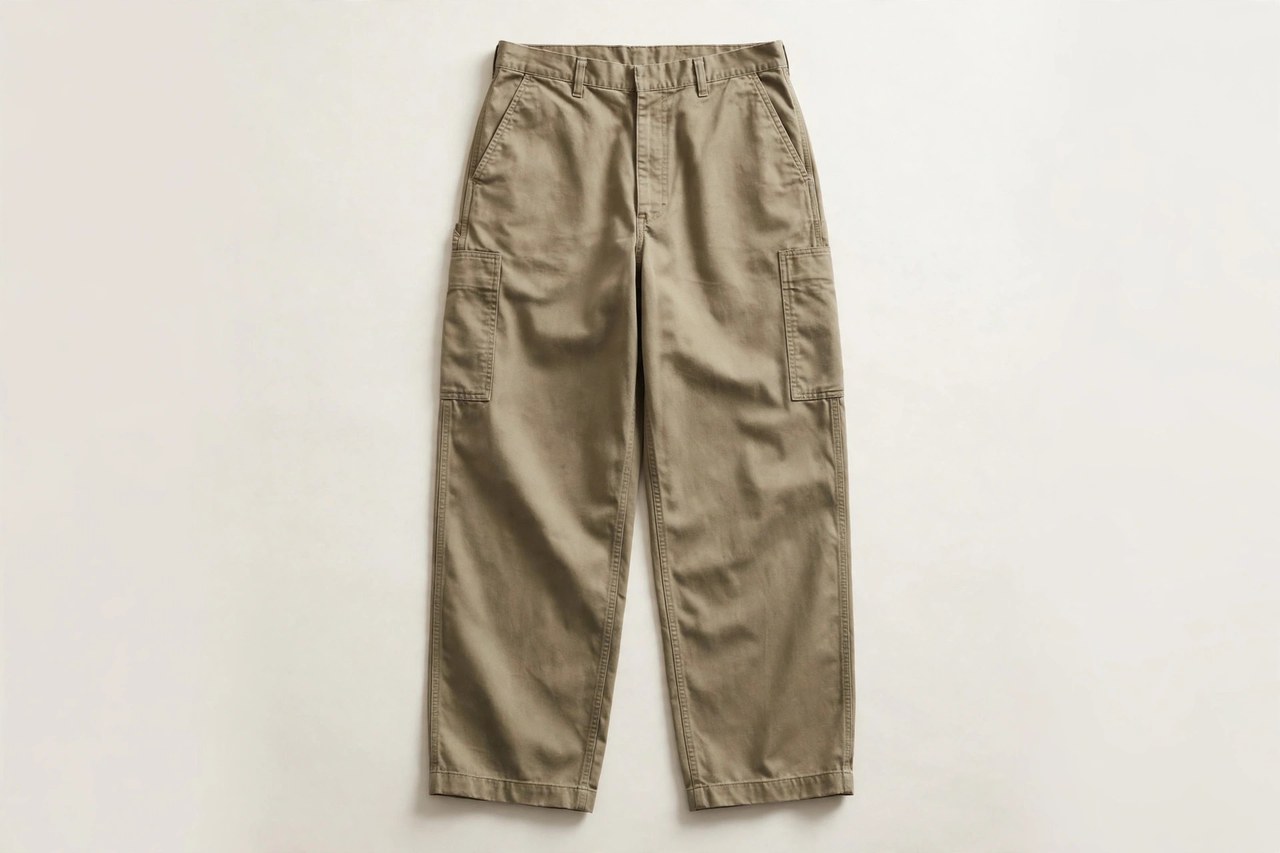
Big and tall pants are the umbrella for this section's trousers, slacks, jeans and cotton pants: every leg garment cut on the extended system, in big sizes graded for waist, seat and thigh, and tall sizes inseamed for legs that regular ranges abandon at 34 inches. This page is the pants system itself - how the sizing axes work on legwear, how rise grading decides comfort, and how to build a rotation across the specific pants guides that follow from here.
Big and tall sizing answers two different bodies with two different ranges: big sizes (1X through 6X in most lines) add circumference - chest, waist, seat and thigh - at regular lengths, while tall sizes (LT through 4XLT) add length - sleeves, body, rise and inseam - at a given circumference. Many men need one, some need both, and buying the wrong axis is the classic big-and-tall mistake: a big size bought for length drowns the shoulders, and a tall size bought for girth strains at every closure. Measure both axes - circumference where the garment closes, and length where it must reach - and order from the maker's own chart, because an X in one brand is a rumor in another.
Sizing for Bigger and Taller Frames
The pants measurement set is four numbers: waist where the band sits, inseam to your preferred break, rise (front waist through to back waist, the comfort measurement), and thigh at its fullest. Big patterns earn their name by grading all four; a pant that scales waist alone gives you a band that fits and a seat that binds. Tall ranges should be judged on finished inseam after washing, not on the tag - order the shrinkage in, especially in cotton and denim, and keep one hemmed-after-washing tailored pair as your length reference for every future order.
Proportions are the second half of the system. A garment simply scaled up in every dimension fits nobody: proper big-and-tall patterns widen the shoulder and chest without dropping the armhole to the waist, add rise so a waistband sits where trousers are meant to sit, and grade pockets, collars and cuffs up modestly rather than comically. When a tall or big version looks like a regular garment photographed through a magnifier, that is usually better than it sounds - restraint in grading is what keeps a 3X shirt reading as a shirt and not as a tent with buttons.
Fabric and Construction
Rotation logic: most big and tall wardrobes run on a small set of leg silhouettes - a chino or cotton pant for everyday, a jean for casual, a slack or trouser for dress, a short for summer - each in the size that its own fabric demands, because a 44 in a forgiving twill and a 44 in rigid denim are cousins, not twins. Buy duplicates of a proven pant when you find it; extended-size lines change patterns between seasons, and a known fit is worth more than a new colorway.
On any leg garment, the rise decides comfort before the cloth does: the distance from front waist through to back waist must match your body, or the waistband will dig sitting and gap standing. Check that pockets are deep enough to be useful, that belt loops are bar-tacked at both ends, and that the hem is finished evenly all round. Seams at the inner leg take the most abrasion, so double stitching there is worth paying for, and a gusset or articulated knee repays its small premium the first long day you spend in the garment.
Wearing and Care
Care for pants in extended sizes follows the same rules as any quality garment, with two additions: the extra fabric weight makes hangers work harder, so fold heavy knits and use broad hangers for tailored pieces; and alterations budget matters more, because a hem or sleeve adjustment is often the difference between an extended size that fits and one that merely covers.
Wash leg garments inside out in cool water to protect color and surface, and dry them low or on the line: heat is what shortens elastic, fades dye and shrinks inseams. Hang or fold promptly - the crease you iron in is a choice, but the wrinkle you sleep in becomes one too. Check hems and pocket corners each season and mend the small fray early; bottoms fail at stress points gradually and then suddenly, and a two-minute repair in October saves a replacement in November.
Common Questions
What is the most important measurement in big-size pants?
Rise, once the waist is right - because rise decides where the waistband can sit and whether the seat and front stay balanced when you sit. A graded big rise is the difference between a pant patterned for a larger body and a regular pant with a longer band. If you measure only two things, measure waist and rise.
How many inseams should a tall man keep?
Two references cover most wardrobes: a full-break length for dress trousers and boots, and a slightly shorter no-break length for casual pants and low shoes - often an inch apart. Hem tailored pants after their first wash, and record both finished numbers. Every future tall order becomes a lookup instead of a gamble.
Why do the same size pants fit differently across styles?
Because waist is only one of four measurements: rise, seat ease and thigh grading differ by pattern, and fabrics differ in give. A chino's 44 and a jean's 44 share a band measurement and little else. Judge each style on its own size chart, keep notes on what worked, and never assume transferability between a maker's own lines, either.
More Big and Tall Guides
Background
Pants in extended sizes are one of the Big and Tall collection’s founding categories. The links below lead to big and tall clothing stores and onward through the collection’s other categories, and this guide covers the garment’s extended sizing, fabrics, fit and care, written for big and tall men.
Looking for Men's Clothing Stores?
This guide explains men's big and tall pants and their sizing. To browse where to buy, visit our men's clothing store directory, where you can find retailers that carry extended sizes.