Men's Cashmere Sports Coats Guide
A men's cashmere sports coat is the patterned, informal tailored jacket in cashmere or a cashmere blend - gun checks, herringbones, windowpanes and plaids in the fiber's soft hand. Where its sibling the cashmere blazer is the solid, formal-leaning odd jacket, the sports coat is the countrified, textured one: the jacket for tweed's occasions, executed in a cloth far softer than tweed ever manages.
Shop Men's Cashmere Sports Coats Now
Shop Men's Cashmere Sports Coats on Amazon Shop Men's Cashmere Sports Coats on eBayThe Amazon and eBay links on this page are affiliate links. If you make a purchase through them, Apparel Search may earn a commission.
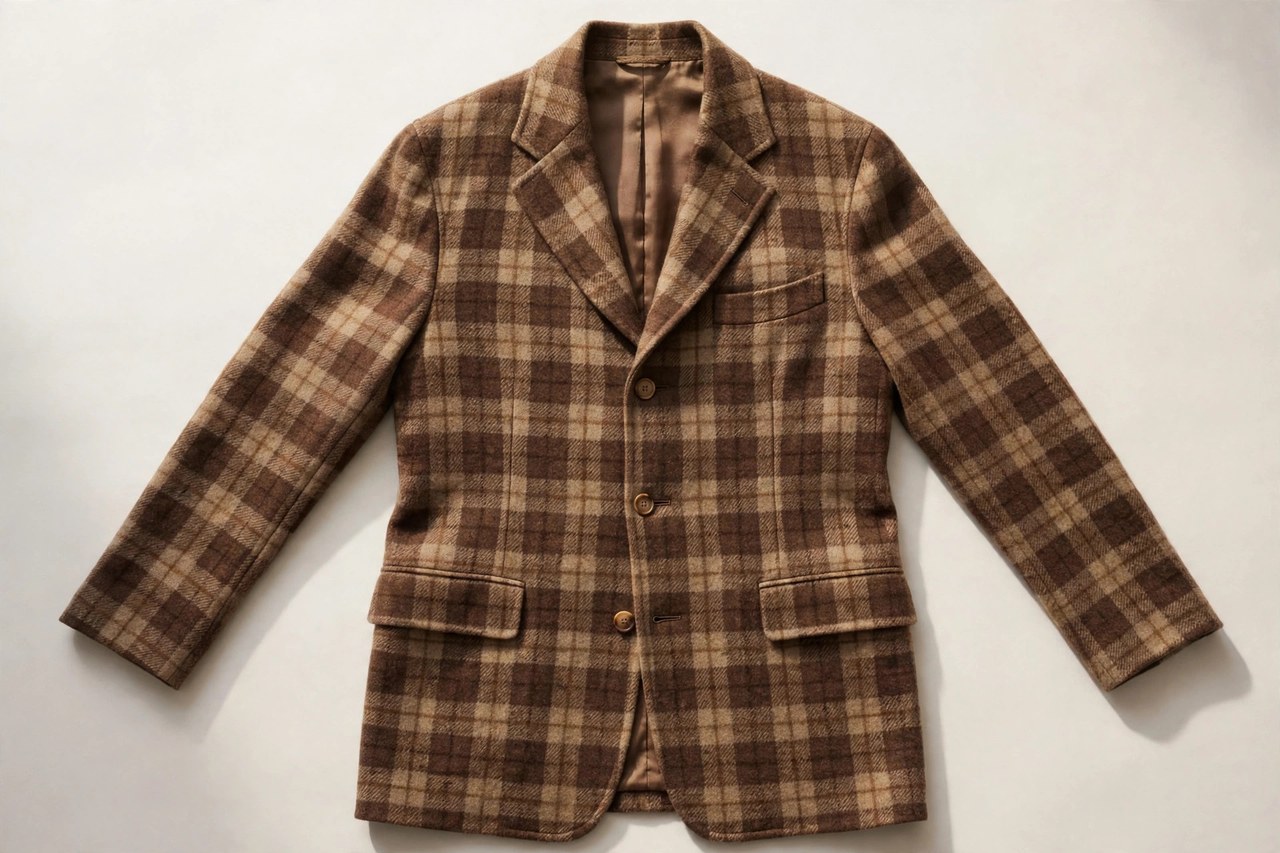
A men's cashmere sports coat is the patterned, informal tailored jacket in cashmere or a cashmere blend - gun checks, herringbones, windowpanes and plaids in the fiber's soft hand. Where its sibling the cashmere blazer is the solid, formal-leaning odd jacket, the sports coat is the countrified, textured one: the jacket for tweed's occasions, executed in a cloth far softer than tweed ever manages. This guide is built around the questions buyers actually ask: which style, which size, which fabric, and what will it look like after a year of real use - answered in order, with the trade-offs stated plainly.
Styles and Construction
Pattern is the point, and cashmere takes pattern beautifully because its matte, light-absorbing surface keeps checks quiet and rich rather than loud. Cloths are almost always blends (wool for wear, sometimes silk for a thread of sheen in the check), woven in the classic sports-coat weights. Construction leans soft: natural shoulders, patch or bellows pockets, half-canvas builds, and in the most traditional versions, suede elbow patches that began as wear repairs and stayed as style. The sports coat's informality is its freedom - it pairs with cords, denim, flannels and knitwear that a blazer would refuse.
Outerwear value hides below the surface: taped versus merely stitched seams, a zipper whose slider runs true under one hand, cuffs and hems that adjust to seal weather out, and a lining slippery enough to glide over the layers beneath. Shoulder build decides the hang over knitwear or a jacket, and pocket engineering decides whether hands and kit ride where your body expects them. Specify for the worst honest day, not the brochure day.
Fit and Sizing
Fit follows tailored rules with a sports coat's tolerance: shoulders and chest exact, as always, but the coat can carry a fraction more ease for the sweaters it will cover in its season. Check the pattern's behavior on your body - large checks emphasize width, herringbone is the diplomat's texture - and match sleeve length to show the shirt cuff sliver that keeps the whole thing deliberate. The sports coat should look inherited at its best: relaxed, never tight.
Fit outerwear over the bulkiest layer it will honestly cover, and test the working range: arms forward as if driving, arms overhead, sitting with every closure fastened. The coat's shoulders should echo yours rather than extend past them, closures should meet without strain, and the hem must reach the coverage the garment exists to give. A coat fitted over a T-shirt alone belongs to a climate you may not live in.
Wearing and Care
Care mirrors the blazer's with a countryman's additions: brush after wear (the cloth's nap holds dust), rest two days, keep it from the car seat's daily abrasion on long drives where you can, and store bagged and cedar'd in summer. Elbow patches, when they come, are honest repairs on this garment - fitting them when the elbows thin is maintenance, not surrender, and the style was born ready for them.
Hang outerwear on broad hangers that carry the shoulders, rest it between wears, and resist washing it often - spot-clean first, and wash by the maker's method with the detergent the fabric demands when a full clean is due. Refresh water-repellent finishes when rain stops beading, never store a coat dirty or compressed, and send leather and tailored pieces to professionals rather than experimenting at home.
Common Questions
Sports coat or blazer - what is the difference?
The blazer is solid-colored (classically navy), smoother and more formal, often with metal buttons; the sports coat is patterned, textured and more casual, descended from country and sporting dress. In cashmere, the same division holds: the blazer page here covers the solid tailored jacket, this page the patterned one. A wardrobe with room for one tailored cashmere jacket usually starts with the blazer.
What do you wear with a cashmere sports coat?
Its native company: corduroy and flannel trousers, knitwear beneath (the cashmere crewneck or V-neck from this family), checked or tattersall shirts, and suede shoes. Denim works in dark, clean washes. Avoid worsted suit trousers and dress shirts at their most formal - the coat's country grammar argues with them.
Why are cashmere sports coats usually patterned?
Because the sports coat's role is texture and informality, and cashmere's matte surface renders woven pattern with unusual depth - checks look dyed into the cloth rather than printed on it. A solid cashmere jacket tends to be sold as a blazer instead; when you find a solid sports coat, it is usually in the season's fashion colors and should be judged as a blazer with softer manners.
More in Men's Clothes Guide C
Looking for Men's Clothing Stores?
This guide explains men's cashmere sports coats. To browse where to buy, visit our men's clothing store directory, where you can find retailers that carry them.