Men's Golf Gloves Guide
A men's golf glove is a single, close-fitting glove worn to grip the club: golfers wear it on the non-dominant hand - the left hand for a right-handed player, the right hand for a left-handed player - and it is sold individually, not in pairs. Its job description is short and total: increase grip and control so harder swings can be made with more control, prevent the blistering that friction raises over a round and a season, and manage moisture when the weather warms. Some players wear gloves on both hands to reduce chafing, but the standard instrument is one glove, fitted like a second skin.
Shop Men's Golf Gloves Now
Shop Men's Golf Gloves on Amazon Shop Men's Golf Gloves on eBayThe Amazon and eBay links on this page are affiliate links. If you make a purchase through them, Apparel Search may earn a commission.
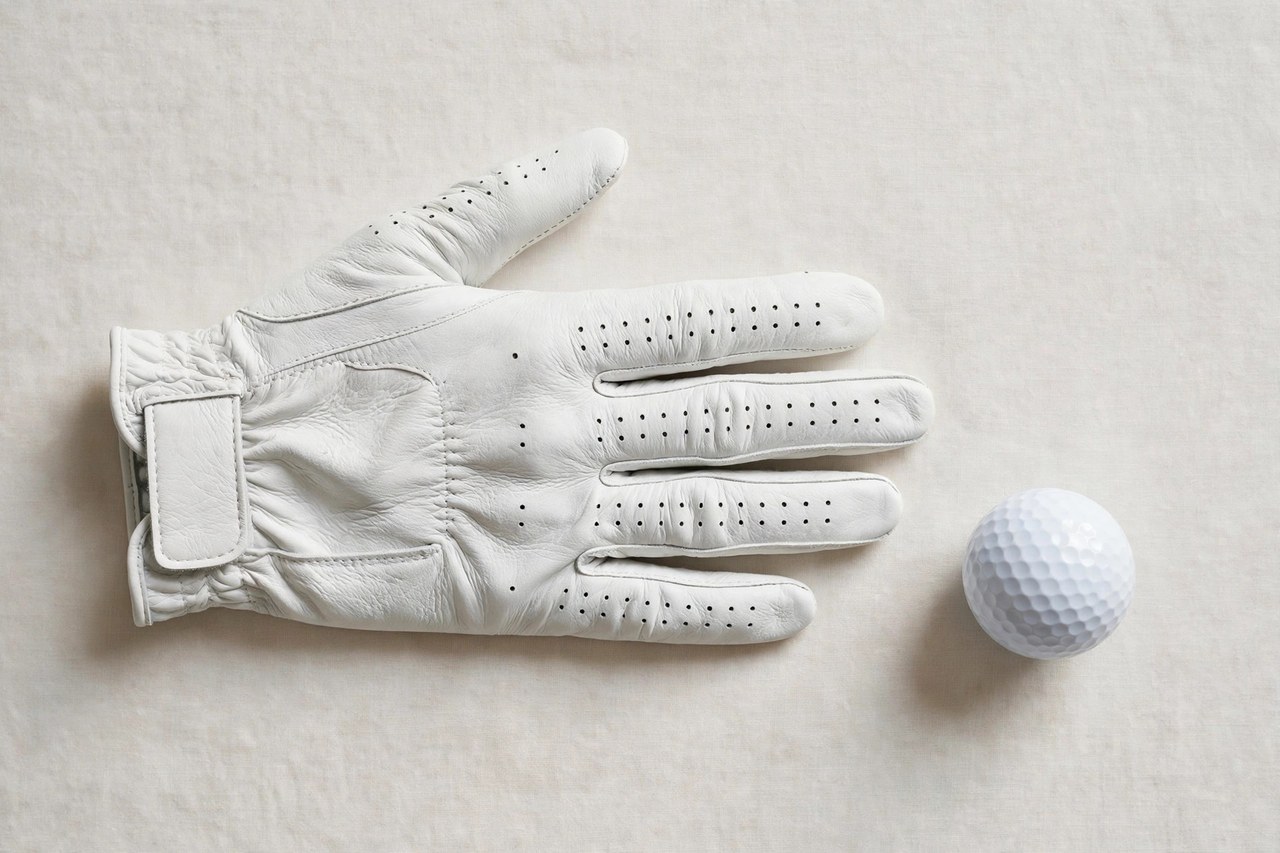
A men's golf glove is a single, close-fitting glove worn to grip the club: golfers wear it on the non-dominant hand - the left hand for a right-handed player, the right hand for a left-handed player - and it is sold individually, not in pairs. Its job description is short and total: increase grip and control so harder swings can be made with more control, prevent the blistering that friction raises over a round and a season, and manage moisture when the weather warms. Some players wear gloves on both hands to reduce chafing, but the standard instrument is one glove, fitted like a second skin. This guide is built around the questions buyers actually ask: which style, which size, which fabric, and what will it look like after a year of real use - answered in order, with the trade-offs stated plainly.
Styles and Construction
Materials decide the tiers. Cabretta leather - soft sheepskin - is the classic palm-and-body material because it stays tacky, molds to the hand and gives the feedback better players demand; it is also the least durable and the most weather-shy. Full synthetic gloves trade some of that feel for durability, rain performance and price, and hybrid gloves put leather on the palm and fingers where grip lives and synthetic mesh across the back where flex and airflow matter. Construction details are functional, not decorative: perforations between the fingers for ventilation, elastic across the knuckles so the fist can close on the grip, a snug wrist closure that anchors without binding, and seams placed so no ridge sits between hand and club.
Accessories reward material honesty: solid metal over plated base metal, full-grain leather over bonded scraps, stitching over glue wherever fabric or hide is joined. Work every moving part through its full travel before paying - clasps, hinges, springs, adjusters - because small hardware fails before large materials do. And budget the care with the purchase: conditioner, the right cloth, a dry drawer; an accessory you can maintain will outlast a finer one you cannot.
Fit and Sizing
A golf glove's fit rule is the strictest in this guide: second skin, snugly around the hand and fingers, with the fingertips reaching the ends of the sheaths, no material bunching in the palm, and the closure meeting in the middle of its range. Palm slack is not comfort - it is a layer that can move against the club at the top of the swing, which is precisely the failure the glove exists to prevent. Sizes run from small to extra-large with cadet sizes for shorter fingers, and hand dominance is chosen before size: confirm which hand the glove is for, because a glove on the wrong hand is not a spare, it is a mistake. Leather gives slightly with wear, so a new cabretta glove should feel almost too fitted.
Accessories have exact fits and exact measures: belt length to the middle hole of a belt you own, hat size as head circumference, a watch case within the wrist's width. Makers' accessory charts vary more than apparel charts, so measure and use the chart rather than ordering a habitual letter - ninety seconds with a tape prevents the most avoidable returns in menswear.
Wearing and Care
A golf glove dies by sweat, heat and neglect more than by play. Dry it flat after a round, never balled in the bag and never on a radiator; rotate two gloves hole by hole or round by round in hot weather so each dries fully, which also doubles their combined life. Keep a glove in its sleeve or a flat pocket so it holds its shape, wash synthetics gently by the label, and treat leather as leather - no machine washing. The retirement signal is the palm: when it polishes smooth, cracks, or the fit has grown a size, the grip the glove was bought for is gone, and a worn glove kept in service costs the strokes a new one was meant to save.
Store accessories deliberately: leather away from sun and plastic, metal dry, belts rolled or hung by the buckle rather than folded at the same crease forever. Condition leather a few times a year, polish metal with the cloth meant for its finish, and repair hardware early - a loose screw today is a lost cufflink or a failed clasp next month. Rotate daily pieces in pairs and both will outlast a single workhorse.
Common Questions
Which hand does a golf glove go on?
On the non-dominant hand: a right-handed golfer wears the glove on the left hand, and a left-handed golfer wears it on the right hand. That hand is the lead hand at the top of the grip, where grip pressure and friction are greatest. Golf gloves are sold individually for that hand. Wearing gloves on both hands is not unheard of - some players do it to reduce chafing - but the single lead-hand glove is the standard.
Are leather or synthetic golf gloves better?
They optimize different things. Cabretta leather gives the best grip feel, tack and molding to the hand, and is the choice of most committed players in dry weather; it wears faster and suffers in rain. Synthetics last longer, grip more consistently when wet, and cost less, with slightly less feedback. Hybrids - leather palm, synthetic back - are the honest compromise most golfers end up rotating: leather for the dry weekend round, synthetic for the wet weekday one.
How tight should a golf glove fit?
Like a second skin - the phrase is the specification. Fingertips should reach the ends of the sheaths, the palm should show no slack or bunching when the hand wraps a grip, and the wrist closure should fasten mid-range. A glove with play in the palm can shift against the club during the swing, undoing the grip security it was bought for. Leather relaxes a little with wear, so new and almost-too-snug is correct; loose in the shop is wrong on the course.
More in Men's Clothes Guide G
One Glove, On the Lead Hand
If you are buying a glove for a right handed golfer, they typically wear the golf glove on the left hand, while left handed players wear it on the right hand. Gloves are sold individually and normally worn only on the player’s non-dominant hand, though it is not unheard-of to wear gloves on both hands to reduce chafing. The increased grip and control allows harder swings to be made with more control, increasing distance; a golf glove helps the player maintain a firm grip on the club, prevents blisters, and provides moisture control in warmer temperatures — and golf gloves are designed to fit like a second skin, snugly around the hand and fingers.
More to Explore on Apparel Search
Looking for Men's Clothing Stores?
This guide explains men's golf gloves. To browse where to buy, visit our men's clothing store directory, where you can find retailers that carry them.