Men's Silk Sweaters Guide
Men's silk sweaters are fine-gauge knitwear in which silk is the whole yarn or the senior partner in a blend - with cotton for spring weight, with wool and cashmere for winter softness, always for the drape and the liquid, low sheen that silk alone gives a knit. A silk sweater is not a warm sweater so much as a polished one: the layer that turns a shirt-and-trousers combination into an outfit, in every season except deep cold.
Shop Men's Silk Sweaters Now
Shop Men's Silk Sweaters on Amazon Shop Men's Silk Sweaters on eBayThe Amazon and eBay links on this page are affiliate links. If you make a purchase through them, Apparel Search may earn a commission.
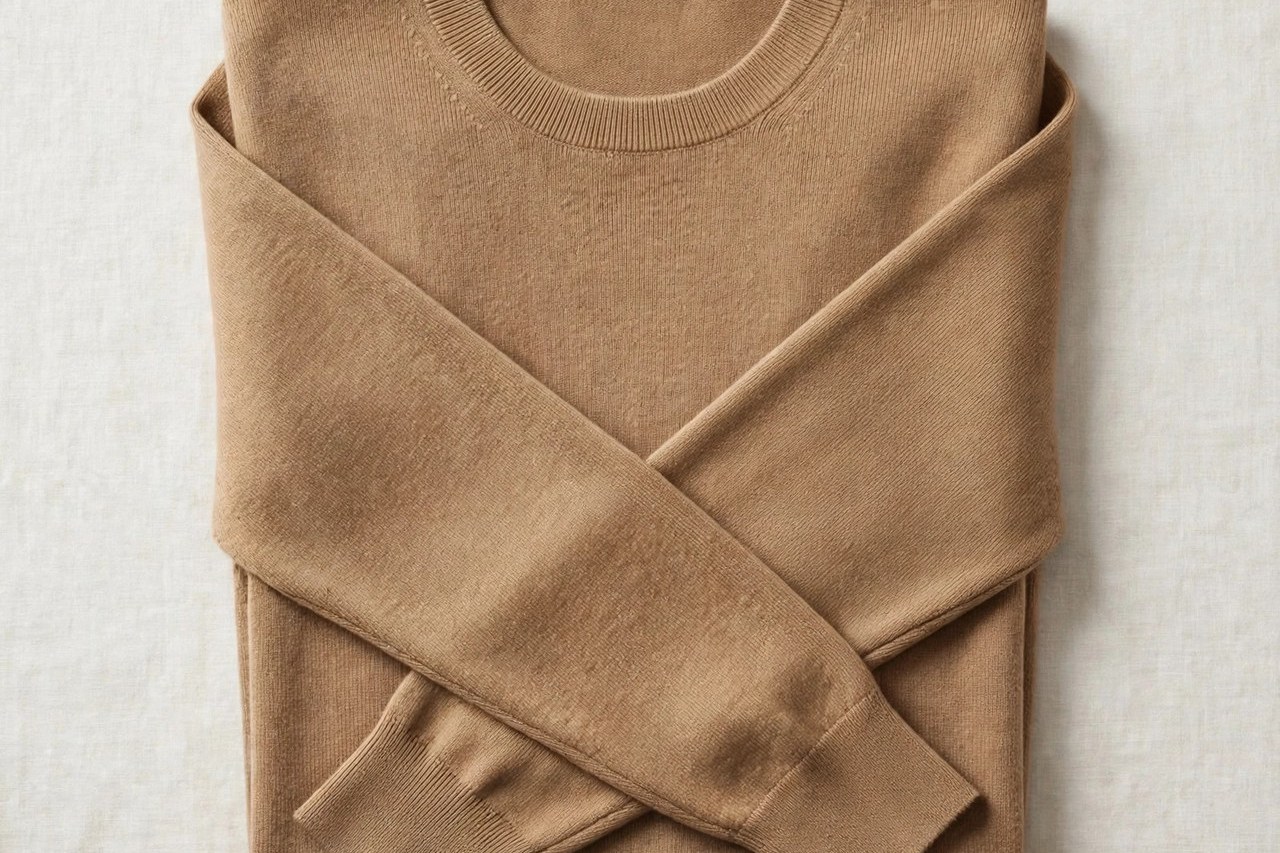
Men's silk sweaters are fine-gauge knitwear in which silk is the whole yarn or the senior partner in a blend - with cotton for spring weight, with wool and cashmere for winter softness, always for the drape and the liquid, low sheen that silk alone gives a knit. A silk sweater is not a warm sweater so much as a polished one: the layer that turns a shirt-and-trousers combination into an outfit, in every season except deep cold. This guide walks through the choices that matter - style, fit, fabric and finish - with the practical detail a product listing rarely gives you, and closes with the care habits that keep the garment in service.
Fine Gauges and the Blend Map
Silk knits fine - that is its gift and its limit. Gauges run high (14 and finer), producing a smooth, close fabric with none of wool's halo; the yarn's natural luster means colors read deep and slightly lit. Blends divide the work: silk-cotton is the spring and summer standard, breathable and crisp; silk-wool adds resilience and a little warmth; silk-cashmere is the luxury tier, soft beyond either fiber alone. Because silk yarn has little natural elasticity, better silk sweaters knit in a touch of nylon or elastane at cuffs and hem, or accept a gentle relaxation as part of the garment's character. Check the linking at the neck and shoulders - fine yarn shows sloppy seams mercilessly.
Judge knitwear by gauge, ply and finishing rather than by softness in the shop, because every knit feels kind on day one. Gauge counts stitches per inch - finer gauges drape and layer, coarser gauges insulate and read casual. Ply counts the strands twisted into the yarn: more plies mean more warmth, roundness and price. Fully-fashioned shaping, knitted in rather than cut and sewn, marks better garments, and linked seams at the shoulders and neck lie flatter and last longer than overlocked ones.
Fit and Sizing
Fit a silk sweater closer than a wool one. The fabric drapes rather than lofts, so excess cloth pools instead of puffing; the right fit skims the chest, ends sleeves at the wrist bone, and finishes at the waistband with the hem sitting flat, not blousing. It should accept a collared shirt beneath without the collar fight showing through the fine knit - if the shirt's buttons print through, the gauge is too fine or the size too small. Remember the fiber's honesty: silk blends relax about half a size in wear and recover little, so a firm-but-comfortable new fit is correct.
Fit knitwear by the body, not the shoulders alone: a sweater should skim rather than cling, with ease for a shirt beneath at the chest, sleeves ending at the wrist bone, and body length covering the waistband without pooling. Knits relax with wear - a slightly firm new fit is often the right long-term fit - but ribbed cuffs and hems should recover when stretched, and a neckline should sit flat against the base of the neck, neither gaping nor strangling.
Wearing and Care
Treat silk knitwear as the delicates it is: hand wash cool with a silk-safe wash, or a machine wool cycle in a mesh bag; never wring; dry flat reshaped to its measurements; fold for storage with protection against moths, which rate silk blends highly. Keep it away from rough bag straps and seatbelt abrasion across the chest - fine silk yarn pills and scars where coarser knits shrug. A silk sweater kept for the occasions it suits will look liquid and new for years.
Knitwear care is gentle by default: wash cool by hand or on a wool cycle with knitwear detergent, never wring, roll in a towel to lift water, and dry flat on a mesh or towel, reshaped to its measurements. Fold for storage - hangers stretch shoulders into points - with cedar or lavender against moths, and rest a sweater a day between wears so its fibers recover their loft. Depill with a comb or electric shaver; pilling is loose fiber migrating, not the garment failing.
Common Questions
Are silk sweaters warm?
Moderately, and cleverly. Silk insulates better than its thinness suggests - it is a protein fiber with real thermal regulation - but a fine-gauge silk sweater is a three-season layer, not winter armor. Silk-wool and silk-cashmere blends extend the range considerably. Buy silk for drape, sheen and polish in mild weather and under jackets; buy wool and cashmere when warmth is the actual job.
Silk or silk-blend sweater - which holds up better?
The blend, in every working sense. Pure silk knitwear drapes beautifully but relaxes, scars and costs; blending with cotton adds crispness, with wool adds spring and warmth, with cashmere adds softness, and a small synthetic content at stress points adds life. Pure silk survives as evening luxury. For a sweater that will actually be worn weekly, silk as the leading partner in a blend is the durable choice.
Why does my silk sweater look baggy after a few wears?
Silk yarn has almost no elastic memory, so a silk knit relaxes under its own drape and body heat and recovers far less than wool. The fixes are preventive: buy the closer fit, fold the sweater rather than hanging it (hangers are the main villain), rest it a day or two between wears, and let a careful cool wash and flat dry reshape it. A sweater bought roomy in silk becomes a sweater that lives slouchy.
More in Men's Clothes Guide S
What Counts as a Sweater
A sweater is a knitted garment intended to cover the torso and arms; it is either a pullover or a cardigan, distinguished in that cardigans open at the front while pullovers do not; in British English a pullover may also be called a jumper or jersey; and there is no hypernym equivalent to sweater covering both pullovers and cardigans - the term is a catch-all for a variety of knit garments, made from various textile fibers including silk and silk blends. The necklines include V-neck, turtleneck and crew neck, the most popular, and the waistline’s usual station is at hip height.
More to Explore on Apparel Search
Looking for Men's Clothing Stores?
This guide explains men's silk sweaters. To browse where to buy, visit our men's clothing store directory, where you can find retailers that carry them.