Men's Skiwear Guide
Men's skiwear is the complete clothing system for skiing: waterproof-breathable jackets and pants, insulating mid-layers, moisture-managing base layers, and the gloves, hats and socks that keep the extremities in the game. The system is built piece by piece - layers that wick, shells that seal, warmth that adjusts - because skiwear is the one wardrobe where clothing is quite literally safety equipment.
Shop Men's Skiwear Now
Shop Men's Skiwear on Amazon Shop Men's Skiwear on eBayThe Amazon and eBay links on this page are affiliate links. If you make a purchase through them, Apparel Search may earn a commission.
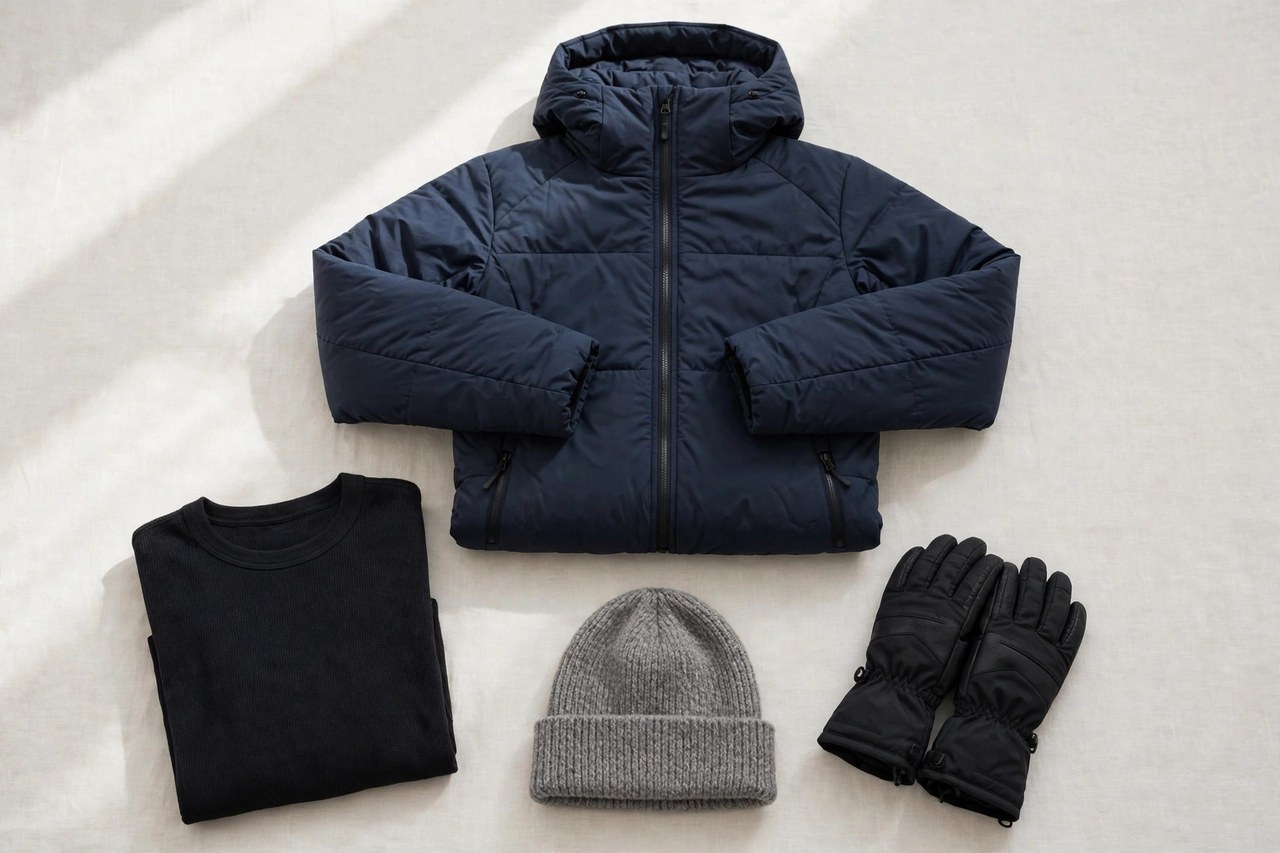
Men's skiwear is the complete clothing system for skiing: waterproof-breathable jackets and pants, insulating mid-layers, moisture-managing base layers, and the gloves, hats and socks that keep the extremities in the game. The system is built piece by piece - layers that wick, shells that seal, warmth that adjusts - because skiwear is the one wardrobe where clothing is quite literally safety equipment. This guide covers the styles worth knowing, the fit points that decide comfort, the fabrics and construction that separate a good buy from a regret, and the simple care that makes the garment last.
The Three-Layer System
The system is three layers with three jobs. Base layers move sweat off the skin - merino wool or synthetic knits, never cotton, which chills when wet. Mid-layers trap warmth - fleece, light down or synthetic puff - chosen so the whole stack can be adjusted at the lift rather than endured. Shells (jackets and pants) seal out wind and snow with membranes, taped seams and storm details: powder skirts, helmet-compatible hoods, wrist gaiters, vents. Each layer is unremarkable alone; the system is the product, and skiwear is bought as a system or regretted one piece at a time. Gloves or mittens, a helmet or warm hat, and ski socks - one pair, thin and tall - complete the build.
Outerwear value hides below the surface: taped versus merely stitched seams, a zipper whose slider runs true under one hand, cuffs and hems that adjust to seal weather out, and a lining slippery enough to glide over the layers beneath. Shoulder build decides the hang over knitwear or a jacket, and pocket engineering decides whether hands and kit ride where your body expects them. Specify for the worst honest day, not the brochure day.
Fit and Sizing
Fit skiwear as athletic equipment with room to work: jackets must allow a full pole plant and a fallen recovery without the hem riding to the waist, pants must survive the deep crouch, and every layer must stack without compressing the insulation that gives it value. Try the full system together in the shop, boots and all if you can. Lengths run long by design - sleeves past the wrist for glove overlap, pants over the boot - and the mountain punishes both fashion-tight fits and flapping excess that catches wind and lift chairs.
Fit outerwear over the bulkiest layer it will honestly cover, and test the working range: arms forward as if driving, arms overhead, sitting with every closure fastened. The coat's shoulders should echo yours rather than extend past them, closures should meet without strain, and the hem must reach the coverage the garment exists to give. A coat fitted over a T-shirt alone belongs to a climate you may not live in.
Wearing and Care
Care is system care: air everything after a ski day, wash base layers after each use, and wash shells by the technical method - proper detergent, no softener - when the DWR tires, then reproof. Down mid-layers store uncompressed; membranes store clean and dry. A skiwear kit maintained this way crosses seasons and resorts for years, and its cost per day on the mountain falls below the rental counter's by the second season.
Hang outerwear on broad hangers that carry the shoulders, rest it between wears, and resist washing it often - spot-clean first, and wash by the maker's method with the detergent the fabric demands when a full clean is due. Refresh water-repellent finishes when rain stops beading, never store a coat dirty or compressed, and send leather and tailored pieces to professionals rather than experimenting at home.
Common Questions
What are the three layers of skiwear?
Base, mid and shell. The base layer (merino or synthetic, never cotton) wicks sweat from the skin. The mid layer (fleece or light insulation) traps warmth and can be added or shed. The shell (waterproof-breathable jacket and pants) seals out wind and snow. Each has one job, and the comfort of the day comes from adjusting the combination as effort and weather change.
Why is cotton so bad for skiing?
Cotton absorbs water - sweat included - and loses all insulation when wet, then chills the wearer by evaporation exactly when he stops moving on a cold lift. 'Cotton kills' is the mountain cliché because it is measurably true. Merino wool and synthetics keep working damp, dry fast, and are the only responsible base-layer fibers at altitude.
How much should I spend on skiwear?
Spend first where weather is stopped: the shell jacket and pants, fully taped, carry the system's survival function. Base layers are the second priority - they touch skin all day. Mid-layers are the forgiving tier; a modest fleece under a great shell outperforms a luxury puff under a leaking one. Buy the system in that order and upgrade outward as seasons accumulate.
More in Men's Clothes Guide S
The Ski Suit and Its Base Layer
Skiwear is clothing meant to be worn while skiing; a ski suit is made to be worn over the rest of the clothes, one-piece as a jumpsuit or two-piece as jacket and matching trousers, from wind- and water-resistant or waterproof fabric, generally with a non-removable liner of nylon, silk, cotton or taffeta, its main function to keep a person warm and dry in winter sports - good for Nordic cross-country or Alpine downhill alike. Crucially, a ski suit is meant to be worn with a base layer - tops and bottoms, the bottoms sometimes referenced as long johns - designed to wick moisture away from the skin.
Looking for Men's Clothing Stores?
This guide explains men's skiwear. To browse where to buy, visit our men's clothing store directory, where you can find retailers that carry them.