Women's Casual Indie Dresses Guide
Small-batch prints, smocking, tassels and tiered skirts — dresses with a handmade spirit for ordinary, lovely days.
Shop Women's Casual Indie Dresses Now
Shop Women's Casual Indie Dresses on Amazon Shop Women's Casual Indie Dresses on eBayThe Amazon and eBay links on this page are affiliate links. If you make a purchase through them, Apparel Search may earn a commission.
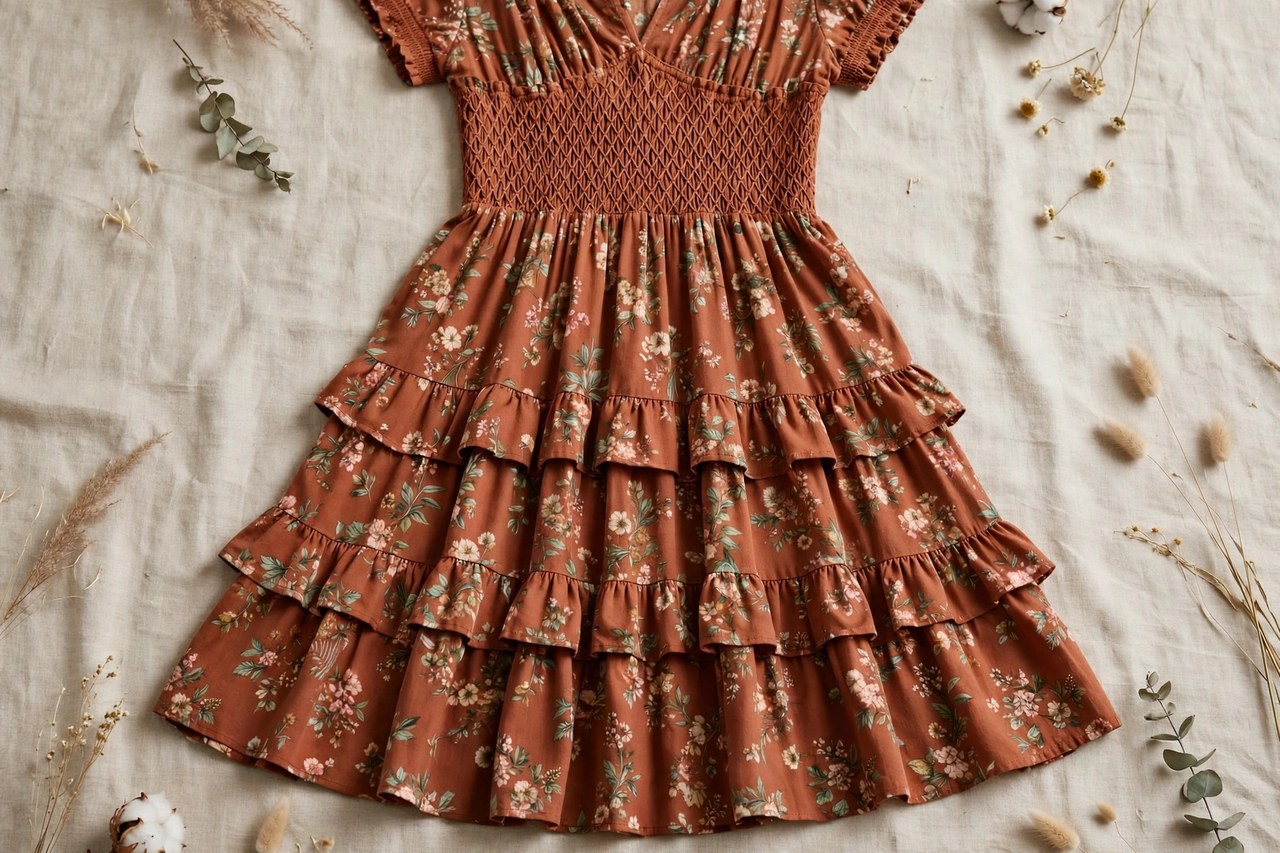
A casual indie dress is defined less by a single silhouette than by an attitude: independent, small-scale design, prints that look drawn or stamped rather than mass-produced, and details borrowed from handcraft — embroidery, smocking, crochet trim, wooden buttons, tassel ties. The shapes tend toward the relaxed and romantic: tiered midis, prairie dresses with gathered yokes, smock dresses that skim the body, and vintage-inspired tea dresses in ditsy florals. Indie here also describes where these dresses often come from, namely smaller labels, market sellers, and makers who work in limited runs, so a print you love may not be restocked. The result is everyday clothing with personality, made for markets, festivals, creative workplaces, and weekends when jeans feel like a missed opportunity.
Signature Styles: Prairie, Smock, Tiered and Tea
The prairie dress is the family’s best-known member: a high or gathered neckline, long or puff sleeves, and a skirt that falls in tiers from a yoke or empire seam, usually in a floral cotton. Smock dresses take a looser approach, cut wide through the body with volume that moves as you do; they suit hot weather and layer over leggings or slim trousers in cooler months. Tiered dresses build their shape from stacked gathered bands and appear in everything from mini sundresses to ankle-length maxis. Tea dresses borrow 1940s manners — a defined waist, a swishy knee-length skirt, a modest neckline — and soften them with indie prints. Wrap dresses and shirt dresses appear in the mix too, gaining indie character from block-printed fabric or handmade-looking trim. Trying two contrasting shapes, one structured and one loose, quickly shows which end of the indie spectrum feels like you.
Prints, Embroidery and Handmade Details
Print is where indie dresses earn their name. Block prints carry tiny irregularities from the hand-stamping process, and that slight unevenness is the point — it signals a textile made by a person rather than a perfect digital repeat. Ditsy florals, folk motifs, paisleys, and small geometric stamps dominate, often in earthy or faded palettes. Embroidery adds a second layer of craft: a stitched yoke, a floral sprig at the cuff, or mirror-work-inspired detailing on festival styles. Crochet and lace trims edge necklines and hems, tassels and bead ends finish drawstring ties, and coconut or wooden buttons replace plastic on better pieces. When shopping, inspect these details closely. Embroidery should sit flat without puckering the fabric beneath, trim should be stitched rather than glued, and printed patterns should match reasonably at side seams. Small variations are charm; sloppy construction is not, and the distinction is easy to see up close.
Fabrics: Cotton, Rayon and Natural Blends
Natural and natural-feeling fabrics dominate this category because they suit both the aesthetic and the relaxed shapes. Cotton voile and cambric are light, breathable, and hold a gathered tier beautifully; cotton poplin gives a crisper dress with more structure. Rayon and viscose drape more fluidly than cotton, which makes them favorites for tiered maxis and smock shapes, though they wrinkle readily and can shrink if washed hot. Linen and linen blends bring texture and warm-weather ease at a higher price, softening with every wash. Double gauze offers a crinkled, cloud-like softness that needs no ironing. Check fiber content before buying, because two dresses in the same print can behave very differently — one crisp and opaque, the other fluid and slightly sheer. For lined styles, a cotton lining is kinder in heat than a synthetic one, and for unlined summer dresses, a quick light test in the shop prevents surprises in bright sun.
Fit: Relaxed Does Not Mean Shapeless
Indie dresses are forgiving, but they are not size-proof. Smocked bodices stretch generously and suit a range of bust sizes, yet the smocking should recover its shape rather than hang loose, which signals tired elastic. Empire and yoke seams should sit where the design intends — under the bust, not across it — and tiered skirts should begin below the waist on most frames so the volume reads as flow rather than bulk. Oversized smock styles are a deliberate look; if you are between sizes, sizing down usually keeps the proportions intentional instead of swamped, especially for petite frames. Length is the other lever: midi tiers can overwhelm shorter wearers, who often do better with fewer tiers or a mini-to-knee length, while tall wearers carry full-length maxis beautifully. Adjustable ties, drawstring waists, and elastic backs are worth seeking out because they let a relaxed dress adapt to your shape rather than the other way around.
Styling and Caring for Craft Details
Style indie dresses with pieces that share their handmade spirit: woven leather sandals, ankle boots, a denim or utility jacket, a straw or canvas tote, and jewelry in wood, brass, or stone rather than high-shine metal. A slim belt can give a smock dress a waist on days you want more definition, and a cropped cardigan preserves the prairie mood in cooler weather. Because prints carry the outfit, keep additional patterns out of the mix and let texture do the contrasting. Care should protect the details that made you buy the dress. Wash inside out in cold water on a gentle cycle or by hand, keep embroidered and block-printed pieces out of harsh sun while drying so colors stay true, and never wring tassels or crochet trim. Store tiered cotton dresses folded or on padded hangers, mend a loose thread at a gathered seam early, and your small-batch favorite will keep its character for many seasons.
Related Women's Guides
Looking for Women's Clothing Stores?
This guide helps you choose women's casual indie dresses by style, fabric and fit. To browse where to buy, visit our women's clothing store directory, where you can find retailers that carry them.