Women's Cotton Boy Shorts Guide
A square-cut style with a short leg that extends down the thigh — the fuller-coverage, close-fitting alternative to a brief.
Shop Women's Cotton Boy Shorts Now
Shop Women's Cotton Boy Shorts on Amazon Shop Women's Cotton Boy Shorts on eBayThe Amazon and eBay links on this page are affiliate links. If you make a purchase through them, Apparel Search may earn a commission.
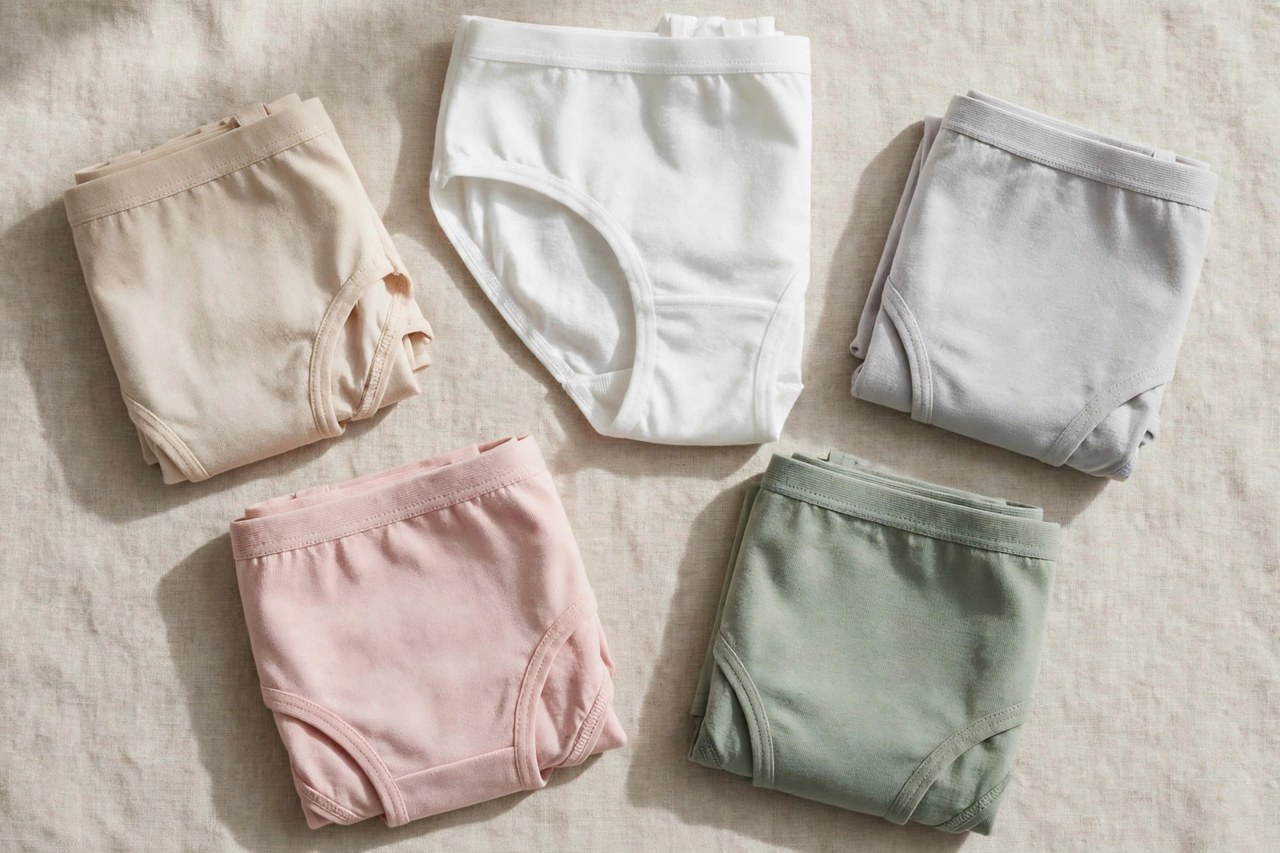
Boy shorts are a close-fitting underwear cut named for their resemblance to a short, squared-off shorts pattern. Where a brief ends at the leg crease, a boy short continues down the upper thigh, usually one to three inches, and the side panel is wide rather than narrow. The result is a garment with substantially more fabric coverage than a bikini or brief, a straighter horizontal leg edge, and a smooth outline under skirts and dresses. Cotton boy shorts are knitted, not woven: the standard fabric is cotton jersey with elastane, which lets the short leg grip lightly and stay in place. This guide explains the pattern, the fabrics and waistband options, how the cut compares with briefs and boxers, and the fit points that decide whether a pair stays put or rides up.
The Cut: Square Leg, Wide Sides, Full Coverage
Three features define the style. First, the leg: it extends below the crease and ends horizontally, with an inseam that ranges from a very short one-inch trunk cut to a longer three-inch short. Second, the rise: most boy shorts are low to mid rise, with a wide side seam that runs from waistband to leg hem in a near-vertical line, giving the garment its squared silhouette. Third, coverage: front and back panels are full, and the back is usually a single smooth panel without a center seam. Because there is more fabric in contact with the leg, the leg hem finish matters — a folded self-fabric band lies flattest, an elasticated hem holds firmest, and a raw or laser-style edge, where offered, minimizes any line under fitted clothing. Under dresses and unlined skirts, that smooth extended leg is the main reason buyers choose this cut.
Stretch Cotton Jersey and Blend Ratios
A boy short cannot be made from non-stretch cloth: the leg would either bind or slide. The standard fabric is cotton single jersey with five to ten percent elastane, a higher elastane share than a bikini brief needs, because the fabric itself must supply the close fit along the thigh. Cotton content commonly runs from about 90 to 95 percent in mainstream multipacks, keeping the breathability, absorbency, and easy washing that motivate choosing cotton in the first place. Heavier interlock and rib knits appear in premium and winter-weight versions and give a more substantial feel with less transparency. The gusset panel remains 100 percent cotton in most constructions regardless of the body blend. When comparing products, weigh the blend honestly: more elastane improves shape retention and leg grip, while a higher cotton share maximizes natural-fiber content. Both are legitimate choices for different priorities.
Boy Shorts Versus Briefs and Boxer Shorts
Buyers often treat boy shorts, briefs, and boxers as interchangeable; in pattern terms they are distinct products. Against a brief, the boy short trades the brief's high leg opening for extended coverage and a smoother line under close-fitting skirts, at the cost of more fabric in warm conditions. Against a woven boxer short, the boy short is the fitted, knitted opposite: it stays flat under clothing, including fitted trousers, where a loose woven boxer would bunch, and it offers no fly front or relaxed hang. In a working underwear rotation the three cuts divide naturally — briefs and bikinis as the general default, boy shorts for dresses, skirts, and any outfit where a visible leg line is a concern, and boxers for sleep and loose clothing. Many multipack assortments now mix cuts for exactly this reason.
Fit Checks: Leg Grip and Waistband Behavior
The common fault with boy shorts is leg ride-up, and it is usually a sizing or fabric issue rather than a flaw in the style. The leg hem should rest against the thigh with light, even pressure; if the fabric is loose at the hem, the leg will work its way upward during walking, and a size down or a style with an elasticated or silicone-free gripper band is the fix. If the hem digs or leaves deep marks quickly, the size is too small or the elastane content too firm for the wearer. At the waist, wide soft waistbands in self fabric distribute pressure best for all-day wear, while exposed logo elastic gives a sportier finish and a firmer hold. The back panel should stay centered without adjustment. Try a single pair through a full day, including sitting and stairs, before committing to a full multipack in any new brand.
Pack Buying, Care, and Lifespan
Boy shorts are sold in multipacks of three to six as the norm, in solid assortments and mixed prints, with per-pair pricing modestly above basic briefs because the garment uses more fabric. Value is good provided the elastane blend is sound: cheap high-stretch knits can lose recovery within months, after which the legs bag and ride. Care follows standard cotton knit practice — machine wash warm or cool with like colors, and prefer low tumble heat or line drying to protect the elastane, which degrades faster than the cotton around it under repeated high heat. Expect a well-made pair in regular rotation to hold its fit for roughly one to two years. Retire pairs when the leg hems no longer recover after washing; at that point the defining feature of the cut, its smooth extended leg, is no longer doing its job.
More to Explore on Apparel Search
Photos


Looking for Women's Clothing Stores?
This guide helps you choose women's cotton boy shorts by leg length, blend and waistband. To browse where to buy, visit our women's clothing store directory, where you can find retailers that carry them.