Women's Cotton Skirts Guide
A-line, gathered, pleated, and straight — cotton skirts in the weaves that make each shape work.
Shop Women's Cotton Skirts Now
Shop Women's Cotton Skirts on Amazon Shop Women's Cotton Skirts on eBayThe Amazon and eBay links on this page are affiliate links. If you make a purchase through them, Apparel Search may earn a commission.
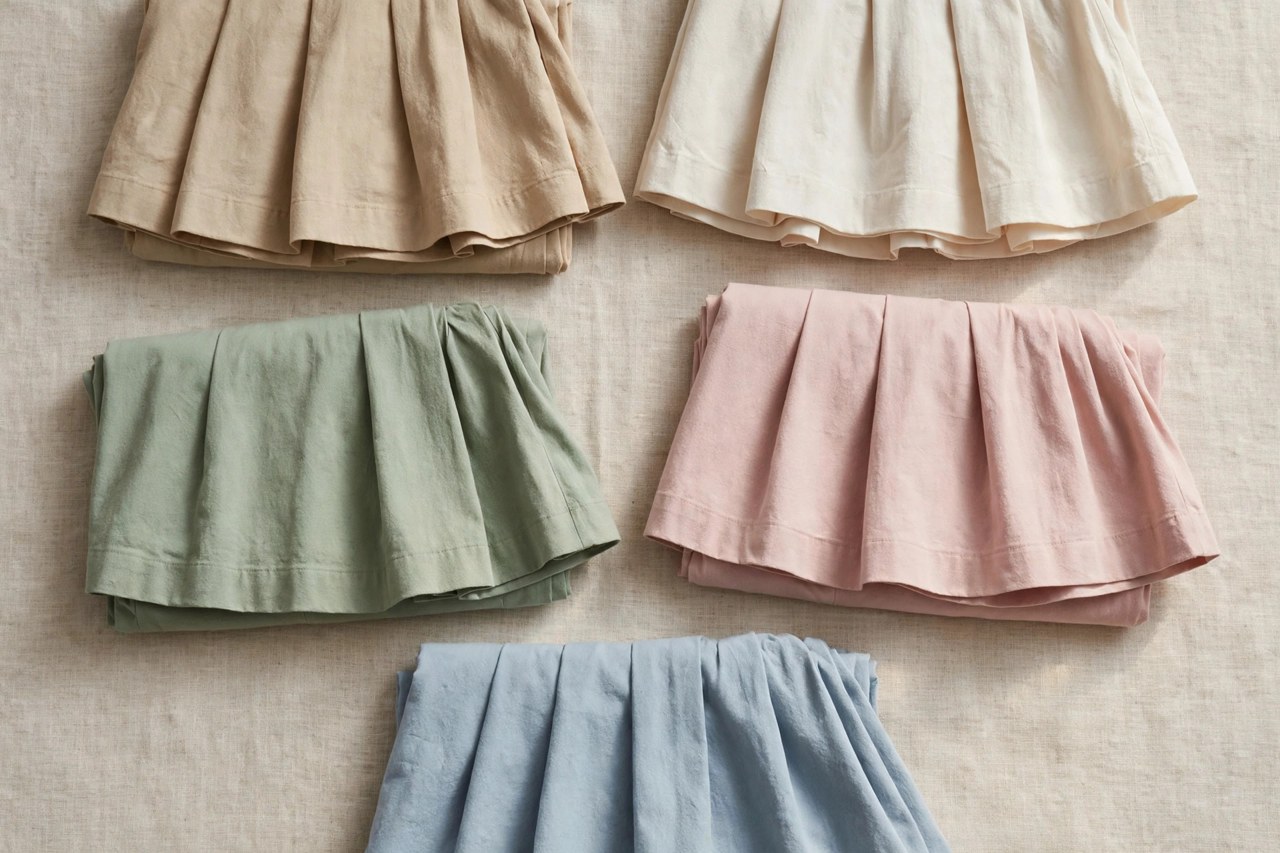
Cotton skirts cover everything from a structured twill A-line worn to work to a gathered lawn skirt made for farmers' markets, and the weave explains most of the difference. Twill and denim give body, durability, and a smooth line over the hips, which is why they dominate straight, A-line, and utility styles. Poplin offers a crisper, lighter skirt that holds pleats and reads a little dressier. Lawn, voile, and double gauze make soft gathered and tiered skirts that move in warm weather. Jersey skirts trade structure for stretch and pull-on ease. This guide focuses on everyday cotton skirts as a general category. Short pleated skirts made specifically for tennis, with built-in liners for the court, are a separate garment with their own guide, because their construction and purpose differ from a fashion skirt even when both are cotton.
Shapes: A-Line, Gathered, Pleated, and Straight
The A-line is the most forgiving shape, fitted at the waist and widening gradually so it skims hips and thighs and suits nearly everyone. Gathered and dirndl-style skirts collect fullness into the waistband, creating volume and movement that work best in lighter cloth, since heavy fabric at a gathered waist adds bulk. Pleated skirts, with knife, box, or accordion pleats pressed or stitched down, offer a tailored look in poplin and twill, though cotton pleats soften with washing and may need pressing to stay sharp. Straight and pencil skirts in twill or denim need a vent or slit for walking and a touch of elastane helps comfort when sitting. Wrap skirts adjust at the waist and layer well. Choosing a shape is really choosing where the skirt's volume lives, and matching that to the tops you already own.
Lengths and Getting the Fit Right
Mini, knee, midi, and maxi cotton skirts all behave differently. Knee length is the most adaptable for work and everyday wear, midi has become the modern default and pairs well with tucked tees and blouses, and maxi skirts in gauze or lawn give coverage with airflow in heat. Fit starts at the waistband: it should sit at your natural waist without digging when you sit, and a contoured or elastic-back waistband improves all-day comfort in woven cotton, which has little give of its own. Check that the skirt does not twist as you walk, a sign the side seams or waistband are uneven, and that lining, if present, hangs freely. Pale poplin and lawn skirts can be sheer in bright light, so check in daylight or choose lined styles and nude-toned underlayers for confidence.
Everyday Styling Across Seasons
A twill or denim A-line skirt with a tucked cotton tee and sneakers is a reliable warm-weather uniform, while the same skirt with a blouse and loafers works in casual offices. Gathered printed skirts pair best with plain fitted tops, since volume below and volume above compete. Midi pleated skirts take a fine sweater or a tucked poplin shirt neatly. In cooler months, heavier twill and corduroy-look cotton skirts layer over tights with ankle boots and a cardigan, extending the category well past summer. Belts define the waistband line when tops are tucked, and a half-tuck keeps longer tops from swallowing the skirt's shape. Because cotton skirts wash easily and resist odor, they suit travel: one twill skirt and one soft gathered skirt, rotated with simple tops, cover most days of a warm-weather trip.
Fabric Behavior: Wrinkles, Fade, and Shrinkage
Each cotton weave has a personality in wear. Twill and denim soften and fade gradually, especially at folds and hems, which reads as character in casual skirts but can make a work skirt look tired sooner; washing inside out in cold water slows it. Poplin creases crisply and shows wrinkles by evening, though a quick steam revives it. Lawn and gauze wrinkle softly rather than sharply, so the texture looks intentional. Woven cotton skirts typically shrink a little in length at the first wash unless pre-shrunk, so consider hem position before that first laundering if you are between lengths. Jersey skirts resist wrinkles entirely but can stretch at the seat over a long day. None of these traits is a flaw; they are the trade-offs to weigh against the setting where you will wear the skirt most.
Care and Building a Small Skirt Rotation
Wash cotton skirts in cool water with similar colors, fasten zips and buttons so they do not snag other garments, and hang by the waistband to dry, which preserves length and lets gravity ease out creases. Iron twill and poplin inside out on medium heat, press pleats back into line while slightly damp, and store gathered skirts hung rather than crushed in a drawer so the fullness stays even. A practical rotation needs only three skirts for most wardrobes: a structured twill or denim skirt for polished days, a soft gathered or tiered skirt for relaxed warmth, and a jersey or wrap skirt for travel and comfort. In sound cotton, each should last for years, and because skirts sidestep the fit challenges of trousers, they are often the easiest cotton bottoms to buy well online.
Related Women's Cotton Guides
More to Explore on Apparel Search
Photos


Looking for Women's Clothing Stores?
This guide helps you choose women's cotton skirts by shape, weave, and length. To browse where to buy, visit our women's clothing store directory, where you can find retailers that carry them.