Women's Cotton Tennis Skirts Guide
Pleats, liners, and court heritage — what a cotton tennis skirt is, and where it honestly works best.
Shop Women's Cotton Tennis Skirts Now
Shop Women's Cotton Tennis Skirts on Amazon Shop Women's Cotton Tennis Skirts on eBayThe Amazon and eBay links on this page are affiliate links. If you make a purchase through them, Apparel Search may earn a commission.
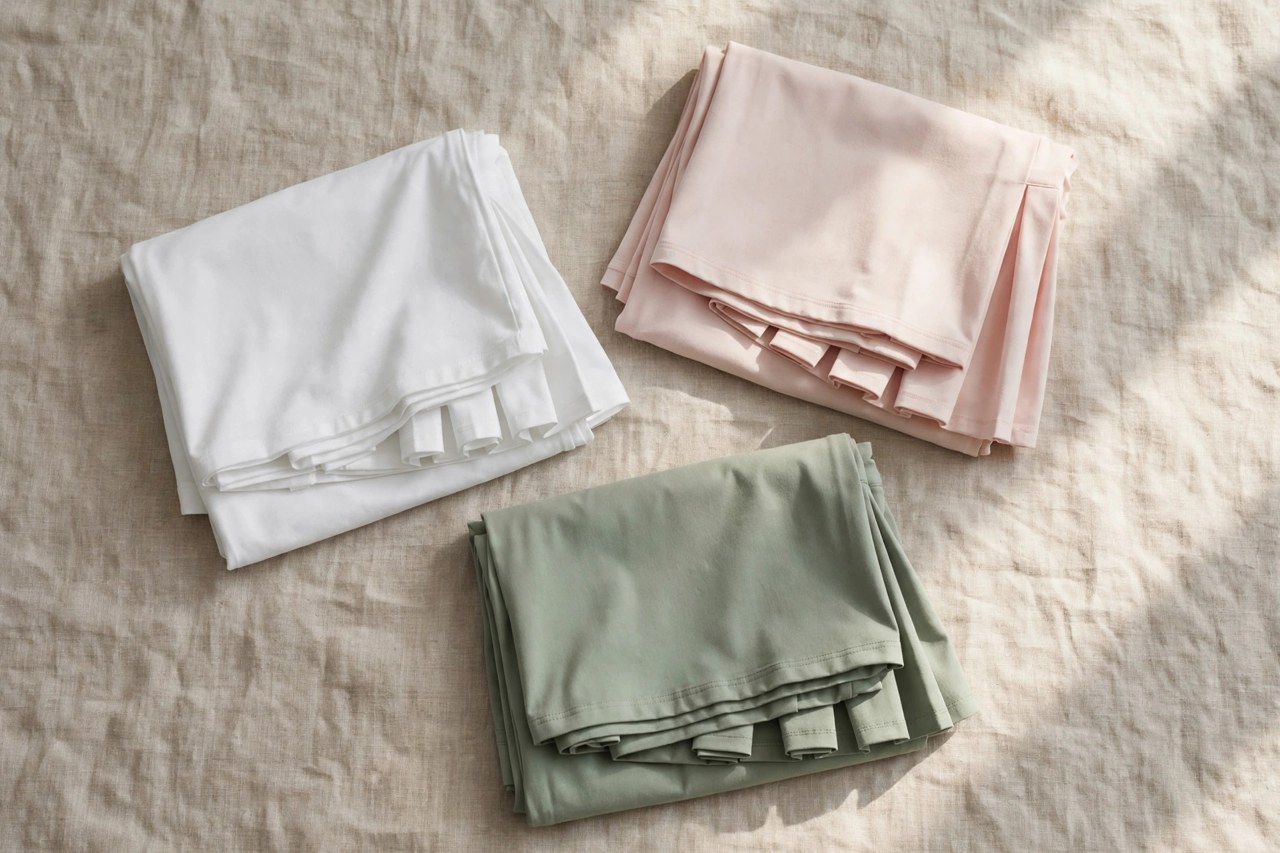
A tennis skirt is a short, usually pleated skirt designed for the court, traditionally in white, with freedom to run, lunge, and serve built into its cut. Cotton versions honor the game's classic look: a crisp pleated skirt in cotton twill or poplin, or a cotton-rich blend, often with a built-in shorts liner underneath for coverage during play. This is a distinct garment from a general cotton fashion skirt, even a short pleated one, because the liner, the shorter athletic length, the secure waistband, and details like a ball pocket or ball-short underneath all serve movement on court. Many wearers also choose tennis skirts purely for their sporty style off court, which is fine, as long as you buy with honest expectations about what cotton does well and where modern synthetics outperform it.
Cotton on Court: An Honest Trade-Off
Cotton's strengths are real: it feels pleasant against the skin, breathes in dry heat, does not develop the persistent odor that some synthetics hold, and gives that traditional crisp appearance tennis has prized for a century. Its weakness is equally real. Cotton absorbs sweat and holds it, becoming heavy and slow to dry during long, intense sessions, and a soaked pleated skirt loses its shape until it dries. Cotton-rich blends with polyester or a little elastane dry faster, keep pleats longer, and stretch at the waistband, which is why most court-ready skirts today are blends rather than pure cotton. For social doubles, coaching, warm-ups, and shorter sessions, cotton or a cotton blend is perfectly comfortable. For competitive play in high heat and humidity, a fully synthetic skirt is the practical choice, and this guide will not pretend otherwise.
Pleats, Liners, and Court Details
Pleats are functional as well as decorative: knife pleats stitched down through the hip and released below let the skirt flare for a full stride, then settle neatly. Some styles use a flat front with pleats only at the sides or back for a sleeker look. The built-in liner matters most. Attached shorts, often called tennies or undershorts, should fit snugly without riding up, ideally in a breathable knit with enough length to stay put through a service motion. Some skirts instead have a brief liner, which offers less coverage, so check which you are getting. Useful details include a wide, flat waistband that stays in place without a drawstring digging in, a pocket sized for a ball on the liner or waistband, and a hem that clears the mid-thigh in motion. White remains the classic, with pastel and navy versions common at clubs without strict dress codes.
Fit for Movement, Not Just the Mirror
Fit a tennis skirt by moving in it: take a wide side step, simulate a serve, bend to pick up a ball, and sit on a low bench. The waistband should stay at your waist through all of it, the liner shorts should not creep, and the skirt length should feel covered in motion, not just standing. Athletic sizing runs shorter and closer than fashion sizing, so consult the brand's measurements rather than assuming your dress size translates. If you are between sizes, the larger usually plays better, since a too-tight waistband restricts breathing and twisting. Length is personal and sometimes governed by club rules, so check any dress code before buying very short styles. A skirt bought mainly for off-court wear can favor looks, but anyone planning to rally regularly should let movement tests overrule mirror appeal every single time.
Off-Court Styling and Versatility
The tennis skirt has become a warm-weather fashion staple in its own right, worn with polo shirts, plain tees, and sneakers for a clean, sporty look that suits errands, travel, and casual social days. Cotton pleated versions are especially good at this double duty because their natural fabric reads less like gym wear than shiny synthetics do. Pair white with almost any color top, keep proportions tidy with a tucked or cropped top, and let the pleats supply the interest. If you buy primarily for style, a cotton skirt without a bulky liner may be more comfortable for all-day wear, while court players should keep the liner. Either way, the tennis skirt's appeal is its combination of structure and ease: it looks deliberate, moves freely, and needs no outfit planning beyond a simple top and flat shoes.
Care: Keeping Pleats and Whites Bright
Wash a cotton tennis skirt promptly after play, since sweat left sitting in cotton weakens fibers and sets odor. Turn it inside out, wash in cold water with similar whites or colors, and avoid chlorine bleach on blends and elastic, which yellows and degrades them; an oxygen-based brightener keeps whites fresh more gently. Pleats survive best when the skirt is hung to dry by the waistband and smoothed by hand while damp, then touched up with a warm iron if your fabric allows. Tumble drying shrinks cotton, dulls pleats, and shortens elastic life in liners and waistbands. Store the skirt hung or folded flat with pleats aligned. With this simple routine, a cotton or cotton-blend tennis skirt keeps its crisp pleats and bright color through a full season of regular play and well beyond.
Related Women's Cotton Guides
More to Explore on Apparel Search
Photos


Looking for Women's Clothing Stores?
This guide helps you choose women's cotton tennis skirts for court and casual wear. To browse where to buy, visit our women's clothing store directory, where you can find retailers that carry them.