Women's Black T-Shirts Guide
Crew, V-neck, fitted and oversized black tees — cotton weights explained, the true black vs. washed black choice, and washing that keeps them dark.
Shop Women's Black T-Shirts Now
Shop Women's Black T-Shirts on Amazon Shop Women's Black T-Shirts on eBayThe Amazon and eBay links on this page are affiliate links. If you make a purchase through them, Apparel Search may earn a commission.
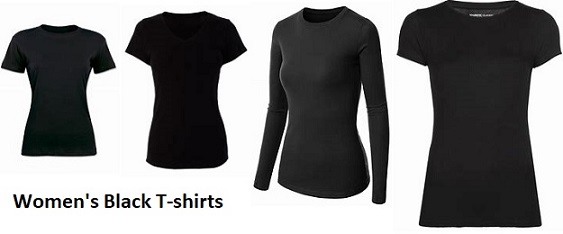
The Black Tee: Minimum Effort, Maximum Range
A black T-shirt is the hardest-working casual garment a woman can own. With black jeans and boots it is a city uniform; with a blazer and trousers it passes smart-casual; under a slip dress or overalls it is the layer that makes other pieces work. It asks for no color coordination at all, which is why it anchors travel wardrobes and busy mornings alike.
Black also improves the humble tee’s weaknesses. It hides perspiration at the underarm that a gray or white tee advertises, conceals minor spills through a workday, and makes even an inexpensive shirt look more deliberate. The one demand black makes in return is color care — a faded black tee reads as tired in a way a faded blue one reads as vintage.
True Black vs. Washed Black Tees
These are two different garments wearing one name. A true black tee is dyed deep and even, meant to pair with black pants and jackets for a clean, sharp block of color. A washed or vintage black tee is garment-dyed then softened to a charcoal-adjacent softness, with slightly lighter seams — it belongs with washed denim, sneakers, and a deliberately relaxed look.
Buy both deliberately rather than letting laundry turn the first into the second. Check a new tee’s black against your blackest garment under daylight. Ring-spun and combed cottons take dye more evenly than coarse open-end cotton, which can look dusty from day one. Slub jersey blacks have built-in texture variation, a middle path between crisp and washed.
Neckline and Fit Options
The crew neck is the classic, framing the face and layering cleanly under jackets. A black V-neck lengthens the neck and torso and dresses up half a step with its hint of formality. Scoop and boat necks widen the frame at the shoulder and suit layering necklaces; square necks give a modern, structured note that black’s clean lines show off well.
Fits run from body-skimming (best for tucking and layering) through classic straight cuts to oversized and boxy styles that pair with slim bottoms or a front tuck. Cropped black tees meet high-waisted jeans exactly where they should. Whatever the fit, check the side seams hang straight and the shoulder seams sit where intended — on a plain black garment, construction is the entire design.
Fabric Weights and Blends
Lightweight black jersey (around 120–150 gsm) drapes and layers but can cling and fade fastest. Midweight cotton (160–180 gsm) is the durable everyday standard with enough body to hold a tuck. Heavyweight black tees feel substantial, hide underlayers completely, and keep their black longest because there is simply more dyed fiber per inch.
Cotton-polyester blends resist fading and wrinkling better than pure cotton and dry faster; cotton-modal drapes more fluidly and feels cooler. A touch of elastane helps fitted black tees keep their shape at the waist and sleeves. Pre-shrunk fabrics matter because a black tee that twists or shortens after washing loses the clean geometry that makes it look good.
Styling the Black Tee Beyond Basics
Tuck a black tee into a printed midi skirt and add sandals: instant outfit. Under a black blazer with dark trousers, it reads as a modern suit alternative for creative offices. Knotted at the waist over a dress, it converts a summer dress into a separates look. The black tee is also the correct answer under sheer blouses, low overalls, and open cardigans.
Accessories decide the tee’s register: a fine gold chain and heels dress it up, a bandana or canvas tote keeps it Saturday. Because the canvas is blank, one graphic or logo changes everything — a plain black tee stays versatile for years, while printed versions date with their artwork. Most stylists advise owning the plain one first, in the best fabric you can manage.
Keeping a Black Tee Black
Turn black tees inside out, wash cold with dark-only loads and a detergent for dark colors, and pull them before a long hot dryer cycle — air drying in the shade preserves both dye and fit. Wash new black tees separately the first time or two; excess dye is normal and will happily gray a white bra sharing the load.
Deodorant and antiperspirant build-up whitens black underarms over time: treat the area with a little liquid detergent before washing, and let antiperspirant dry before dressing. When a favorite tee finally softens to charcoal, reclassify it honestly as your washed-black tee, layer it where soft black belongs, and let a fresh true-black tee take the sharp shifts.
More to Explore
More Women's Black Clothing
Looking for Women's Clothing Stores?
This guide helps you choose black t-shirts in the weight and neckline you prefer. To browse where to buy, visit our women's clothing store directory, where you can find retailers that carry them.