Women's Underwear Colors Guide
Underwear color is a practical product decision: what shows under clothing, what survives the wash, and what coordinates with the rest of the drawer. This guide covers each family plainly.
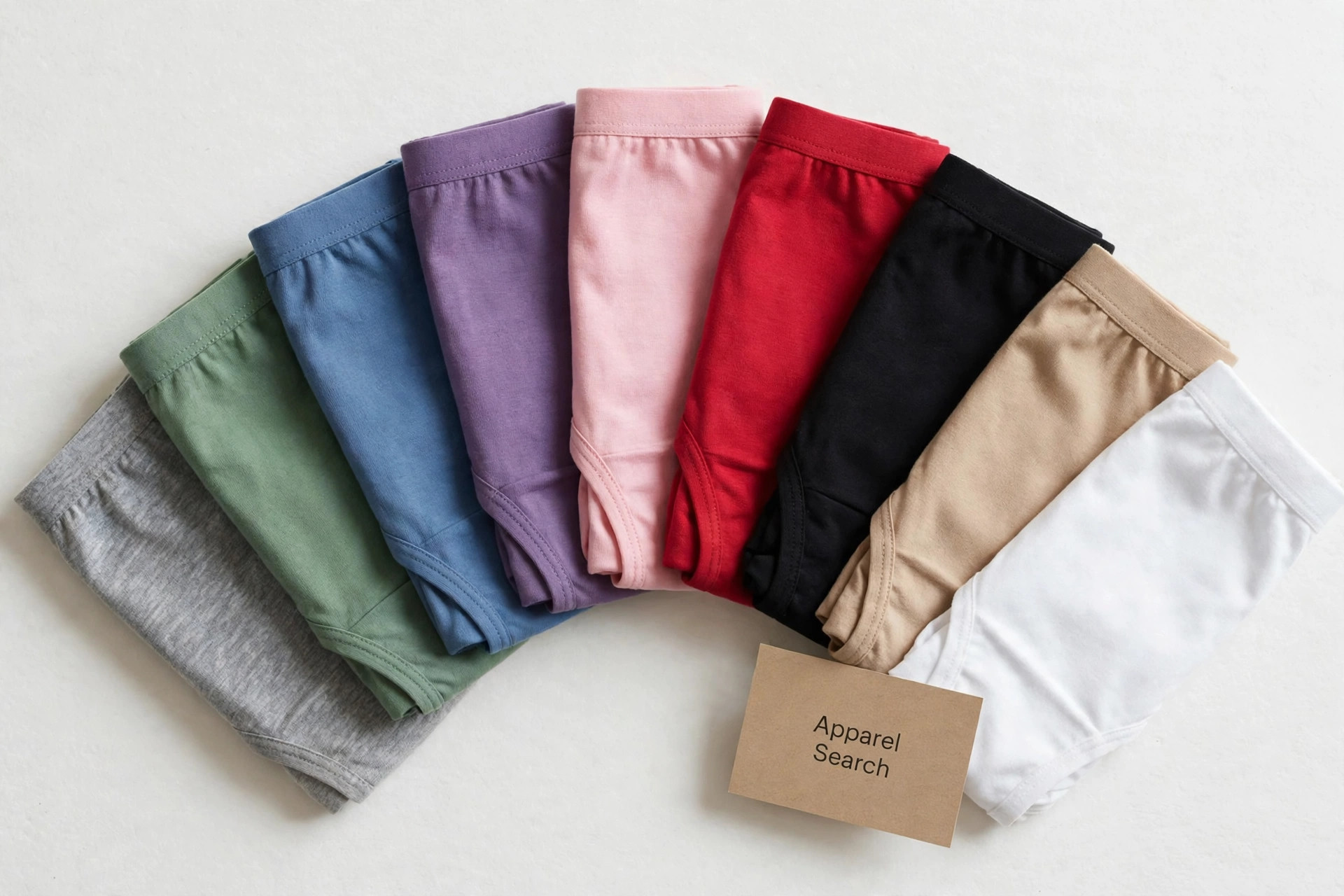
The Practical Core: White, Black and Skin Tones
White is the traditional underwear color and still the freshest-looking in the drawer, but it is the most demanding: it grays in mixed wash loads and can show through white or light outer clothing more than expected, because the contrast between white fabric and skin reads through thin garments. Black is the durable opposite — it hides wear, coordinates with dark clothing, and stays looking new longest, though it fades slowly to charcoal over many washes.
Skin-tone shades — the tan, beige and brown families — are the functional champions under light and sheer clothing, because they minimize the contrast that makes underwear visible. The right shade is the one closest to your own skin, and ranges now run from pale ivory through deep espresso. A practical drawer core is a set of skin-tone pieces for light clothing, black for dark clothing, and white for under heavier, opaque fabrics.
Women's Underwear by Color
Start with the two guides that organize this whole section: Women's Clothing Colors by Category shows every garment type in one place, and Women's Fashion Colors approaches the same wardrobe from the color side.
Color Families Beyond the Core
Blue, from pale blue to navy, is the most popular color beyond the core: calm, washable, and coordinating well with denim-heavy wardrobes. Pink and purple families, from blush and lavender to fuchsia and plum, are drawer favorites that also wash well in mixed light loads. Green, red, orange and yellow appear as seasonal and novelty colors; red has the practical footnote that, counterintuitively, muted red can be less visible than white under a white top, because it sits closer to skin's own undertone.
Prints and patterns behave like their dominant color for visibility purposes, so judge a print by its background shade.
Color Choice Under Clothing
The governing principle is contrast: underwear becomes visible when its color contrasts with either the clothing or the skin beneath it. Under white trousers or a white dress, skin-tone shades disappear best; white underwear is actually the more visible choice. Under black or navy clothing, black is invisible and light colors can ghost through thinner fabrics at seams and edges.
Under bright or printed clothing, match the underwear family to the garment's dominant tone or default to skin-tone. Lace and textured fabrics add a second consideration — texture can show through fine knits regardless of color, so smooth fabrics in the right color family are the reliable combination under fitted clothing. When in doubt, the skin-tone set is the answer to most outfits, which is why it anchors the practical core.
Fabric, Dye and Laundry Care
Color longevity in underwear is a laundry story. Wash new dark and bright pieces separately for the first few washes, because dyes release early, especially in reds and blacks. Whites stay white when washed with whites using an oxygen brightener; mixed loads are what turn them gray. Delicate colors and elastic last longer in cool water and out of high dryer heat, which also sets stains and degrades the fibers that hold dye evenly.
Sort the drawer itself by family — skin tones, blacks, whites, colors — so the right shade is findable in seconds and sets stay matched.
Related Color Guides
New to the terminology? The underwear glossary defines the garment types, fabrics and terms used across these guides. For the coordinating categories, see the bra colors guide and the lingerie colors guide, which apply the same color families to those drawers.
Common Questions
What underwear color is least visible under white clothing?
A shade close to your own skin tone. White underwear contrasts with the skin and shows through white fabric, while a skin-matching shade minimizes both contrasts and effectively disappears under most light clothing.
Why does white underwear turn gray in the wash?
Mixed loads. Dye released from darker garments redeposits on white fabric a little at a time. Washing whites only with whites, using an oxygen-based brightener, and avoiding overloading the machine keeps them white far longer.
How many colors does a practical underwear drawer need?
Three families cover almost everything: skin-tone shades for light clothing, black for dark clothing, and white for opaque fabrics and tradition. Any further colors — blues, pinks, seasonal shades — are preference, and they coordinate best when bought in families.
Looking for Women's Clothing Stores?
This guide helps you choose women's underwear by color with confidence. To browse where to buy, visit our women's clothing store directory, where you can find retailers that carry them.
Search Apparel Search