Women's Orange Underwear Guide
Warm shades for the base layer — a practical guide to orange underwear styles, fabrics, fit and care.
Shop Women's Orange Underwear Now
Shop Women's Orange Underwear on Amazon Shop Women's Orange Underwear on eBayThe Amazon and eBay links on this page are affiliate links. If you make a purchase through them, Apparel Search may earn a commission.
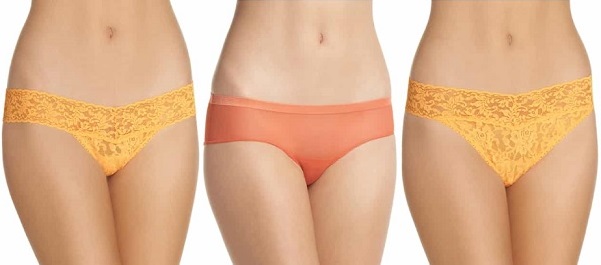
Orange underwear spans the full everyday range — briefs, bikinis, hipsters, shorts and camisole-style base layers — in a warm palette from pale peach to deep rust. For many women the practical headline is that peach and apricot function as skin-tone shades, sitting invisibly under light clothing on warm, golden and medium complexions where white underwear would show through more starkly. Brighter and deeper oranges are chosen as coordinated sets or simply as a cheerful preference. In every case the buying standards are unchanged: comfortable fit, suitable fabric, sound elastic and washing durability. This guide explains the orange shades used in underwear and what each is good for, the main styles and their strengths, fabric choices for daily comfort, straightforward fit checks, and the laundry routine that keeps colors true and elastic effective.
Shades of Orange in Underwear
Peach is the hardest-working shade in this category because its pale warmth approximates many light to medium skin tones closely enough to vanish under white and pastel outer clothing, especially in seamless styles. Apricot serves deeper golden and olive skin in the same discreet role. Melon and soft coral appear in cotton multipacks and seasonal ranges and behave like peach with a touch more color. Tangerine and vivid orange underwear is bought for coordination with matching bras or for personal preference, and it belongs under dark or opaque clothing. Rust and burnt orange feature in autumn ranges, often in modal and lace-trimmed styles. Because shades vary between brands and dye lots, buy coordinated pieces together, and test a new peach shade under your lightest trousers in daylight before assuming it will be invisible at work.
Choosing the Right Orange Underwear
Comfort begins with the right style for your body and clothes. Briefs offer full coverage and suit high-waisted clothing; bikinis sit lower with less coverage; hipsters provide a low, wide waistband that stays in place under jeans; shorts styles give the most coverage and reduce chafing under skirts and dresses. Whatever the style, the waistband should lie flat without digging or rolling, leg openings should sit comfortably without cutting in, and the gusset should be cotton or cotton-lined in synthetic styles. Size honestly — underwear that is too small creates the very lines and discomfort it should prevent, and its elastic fails sooner from constant strain. For sensitive skin, choose tagless designs with smooth waistbands and wash new garments before wearing to remove finishing treatments. Multipacks in peach and apricot are the economical way to stock the everyday shades once you have proven a brand’s fit. Terminology for every style, from boyshorts onward, is set out in the underwear glossary.
Everyday Wear and Outfit Planning
Plan orange underwear around your wardrobe’s demands. Peach and apricot seamless pieces are the default under white trousers, pale dresses and fitted skirts, where both color and outline must disappear. Cotton briefs in any shade suit daily wear with jeans and casual clothes. Rust or tangerine sets coordinate with matching bras for those who prefer sets, and they wear invisibly under dark, thick or patterned clothing. Thermal and long styles in deeper orange shades serve cold weather under trousers. Rotate garments rather than wearing favorites repeatedly, because elastic recovers its tension during a rest day and hygiene is better served by rotation. Replace underwear when waistbands lose recovery, fabric thins, or elastic edges crackle — base layers work hard, are washed constantly, and have a shorter service life than outer garments, so timely replacement is economy, not extravagance. For sourcing, Women’s Underwear Stores list retailers, and Underwear Factories cover the manufacturing side.
Fabrics for Daily Comfort
Cotton is the longstanding everyday choice for underwear because it breathes, absorbs moisture, washes well and suits most skin; cotton blended with a little elastane holds its shape noticeably better across a day’s wear. Modal and cotton-modal fabrics feel softer and smoother than standard cotton, manage moisture well, and hold peach and rust dyes evenly, at a modestly higher price. Microfiber synthetics give the smoothest finish under fitted clothing and dry quickly for travel, though they breathe less in hot weather. Merino blends appear in performance and thermal underwear, regulating temperature and resisting odor for active use. Lace-trimmed styles should use soft, flat lace with a cotton gusset to remain comfortable. Whatever the fabric, check the elastane content for stretch recovery, and match your choice to your laundry reality — the best underwear fabric is the one that survives how you actually wash clothes.
Caring for Orange Underwear
Frequent washing is unavoidable for underwear, so technique decides how long color and fit survive it. Sort peach and apricot pieces with lights and whites as the fabric allows, and wash bright tangerine and rust pieces with warm colors, separately for their first washes while loose dye may release. Use a mesh bag for lace-trimmed or delicate styles to protect waistbands and edging from stretching in the machine. Avoid chlorine bleach, which strips orange unevenly and damages elastic; oxygen-based stain removers are the safer treatment for marks. Air drying best preserves elastic and color in all fabrics, though sturdy cotton styles tolerate low tumble heat. Store pieces folded flat in a drawer rather than tightly balled, which distorts waistbands over time. Followed consistently, this routine keeps peach shades clean-toned, rust shades rich, and every pair comfortable for its full working life.
More Orange Clothing Guides
More to Explore
Looking for Women's Clothing Stores?
This guide helps you choose orange underwear by shade, style and fabric. To browse where to buy, visit our women's clothing store directory, where you can find retailers that carry them.