Women's Green Underwear Guide
Daily essentials in a fresher palette — sage, mint and emerald basics chosen for fabric and fit.
Shop Women's Green Underwear Now
Shop Women's Green Underwear on Amazon Shop Women's Green Underwear on eBayThe Amazon and eBay links on this page are affiliate links. If you make a purchase through them, Apparel Search may earn a commission.
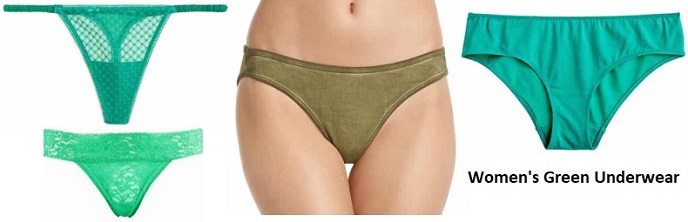
Underwear is bought more often and thought about less than any other clothing, yet its fabric and fit affect comfort every hour of the day. Choosing green for these essentials is quietly practical. Sage and olive shades resist the staining and gradual greying that make white underwear look tired long before it wears out, mint keeps cotton basics feeling fresh, and emerald lifts matching sets beyond the usual black. Green also coordinates easily with the bras, sleepwear and loungewear already in most drawers. This guide focuses on the decisions that matter: which fabrics breathe, wick and wash best, which cuts suit which clothing and activities, how to judge fit and elastic quality, and how to launder green underwear so both the color and the construction last through the heavy rotation these garments endure.
Shades of Green for Underwear
Sage is the sensible flagship — muted, forgiving in the wash, and discreet under most everyday clothing, suiting cotton and modal basics alike. Mint is the light, fresh option for summer-weight cotton, pleasant in multipacks but the quickest of the greens to show marks. Olive and moss appear in comfort and sport ranges, flatter warm skin tones, and hide wear exceptionally well. Emerald is used mainly in lace, satin and set-matching styles where a rich color is wanted, and its deep dye holds up well over time. Forest green offers dark, practical coverage similar to black with a softer character. Multipacks mixing sage, olive and mint are a good way to build a rotation, since varied shades also make it easy to sort pairs for different clothing — pale greens reserved for light outfits, deep greens for dark ones.
Choosing the Right Green Underwear
Fabric is the first decision. Cotton is breathable, affordable and easy to wash, the everyday standard, though it dries slowly and holds moisture during exercise. Modal and bamboo-derived fabrics are softer and smoother, draping well under fitted clothing and washing kindly. Microfiber and nylon blends give the smoothest, most seamless finishes for close-fitting dresses and trousers, while lace styles prioritize appearance and belong under looser clothing. Cut follows clothing and comfort: briefs for full coverage and high rises, bikinis for lower rises, hipsters for mid-rise everyday wear, boyshorts for coverage, sleep and lounging. Fit checks are quick — elastic should lie flat without digging or rolling, seams should sit smoothly, and the garment should stay in place through sitting, bending and a full day’s movement. Try one pair from any new brand before buying multiples.
How to Wear Green Underwear
Wearing is mostly about shade depth and finish under clothing. Pale mint and light sage are the reliable choices under white, cream and thin light fabrics, where deeper greens would show as a shadow; medium and deeper skin tones often find mid-sage the least visible of all. Emerald, forest and olive belong under dark, opaque or patterned clothing. Seamless green styles in microfiber are the correct answer under fitted trousers, leggings and smooth dresses, where even fine cotton edges can outline. Match the rise of the underwear to the rise of the clothing so waistbands stay hidden in motion. For exercise, choose moisture-managing synthetic or merino styles rather than cotton, in olive or forest shades that tolerate frequent hot washes of workout laundry better than pale greens do.
Styling Combinations
Underwear coordination is about the drawer, not the outfit, and green simplifies it. Sage underwear pairs with cream, white, grey and sage bras; emerald coordinates with black and matching emerald sets; mint works with white and pale basics. If you favor green outer clothing — dresses, trousers, skirts — keeping underwear in a similar depth range removes any concern about contrast showing at waistbands or through lighter fabrics. For travel, green underwear is a smart choice because the shades conceal the effects of hand-washing and varied water better than white, and dark greens double for swim-adjacent emergencies less visibly than pale colors. Loungewear and sleep sets in cream, grey and soft prints accept any green beneath without planning. A simple rule — pale greens for light outfits, deep greens for dark — keeps the whole system effortless.
Caring for Green Underwear
These garments are washed constantly, so care habits decide their lifespan. Wash green underwear in cool to warm water with similar colors, keeping brand-new emerald and forest pieces with dark laundry for the first washes while excess dye releases. Cotton and modal tolerate regular machine cycles; use a mesh bag and gentle cycle for lace, satin and anything with delicate elastic. Avoid bleach, which breaks elastic and strips green dye unevenly, leaving fabric blotchy. Air drying preserves elastic and color best; if you tumble dry, choose low heat. Pale greens stay brightest washed with lights only, since a single dark load can grey mint noticeably. Replace pieces when elastic relaxes, fabric thins or seams roughen — underwear is a consumable, and fresh, well-fitting green basics are worth the small renewal. For more options, explore Women's Underwear Colors and Women's underwear.
More Green Clothing Guides
Looking for Women's Clothing Stores?
This guide helps you choose green underwear by fabric, cut and shade. To browse where to buy, visit our women's clothing store directory, where you can find retailers that carry them.