Women's Purple Shirts Guide
A lavender blouse softens tailoring, a violet shirt sharpens it — purple near the face does beautiful work.
Shop Women's Purple Shirts Now
Shop Women's Purple Shirts on Amazon Shop Women's Purple Shirts on eBayThe Amazon and eBay links on this page are affiliate links. If you make a purchase through them, Apparel Search may earn a commission.
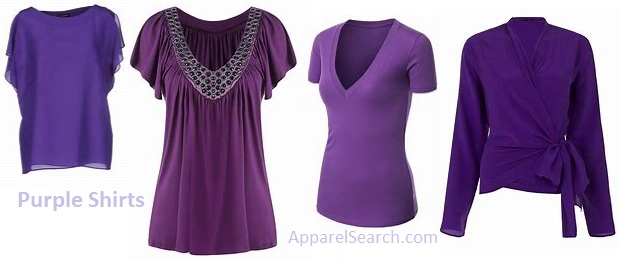
A purple shirt sits close to the face, where color has the most effect, and that is precisely its appeal. Lavender and lilac shirts soften suiting and flatter many complexions, violet shirts bring energy to plain trousers, and a deep plum blouse turns an ordinary work outfit into something considered. Shirts also offer purple in manageable form: buttoned, collared, and structured, so the color feels polished rather than bohemian when you need it to. The range runs from crisp cotton Oxfords and silk blouses to casual chambray-style and knit shirts, each carrying purple differently. Choosing well means matching shade to skin tone, fabric to occasion, and fit to the trousers and skirts the shirt will actually meet in your wardrobe. That honest match is what turns a pretty purple color into a genuinely useful garment.
Purple Shades for Shirts and Blouses
Pale purples dominate shirting for good reason: lavender, lilac, and soft orchid are gentle near the face, suit spring and summer, and slip under grey or navy jackets without shouting. Mid-tone violet shirts are more assertive and work best as the outfit’s main color, paired with neutral bottoms. Plum and grape blouses in silk or crepe read evening-ready and pair with black or charcoal for a rich, low-contrast effect. Stripes and small checks that mix purple with white are an easy entry point, softening the color while keeping its character. Judge every shade against your face in daylight, not under shop lights, and remember that cool lavenders favor fair, cool complexions, warmer grapes favor olive and warm skin, and deep plum is the most universally forgiving.
Choosing the Right Purple Shirt
Judge a shirt by collar, cuff, and cloth. The collar should frame your face and sit smoothly under a jacket if you wear one, buttons should close without gaping across the bust, and sleeves should reach the wrist bone with arms relaxed. Cotton and cotton blends give crisp, breathable shirts for work, silk and satin blouses drape fluidly for evening, and viscose offers a softer, more casual fall. Check that purple dye looks even across panels and that spare buttons are included. Fit should skim rather than cling, with room to tuck cleanly. For season and tone, pale lavender suits spring layering and cool complexions, while a saturated plum blouse carries autumn and winter wardrobes and flatters most wearers after dark. Choose with that season in mind for the longest, happiest wear. Details decide the result here: our Shirt Definition covers the basics, while the guides to types of shirts and collars explain the options.
How to Wear Purple Shirts
A purple shirt anchors outfits across the formality scale. For work, tuck a lavender Oxford or plum blouse into grey or charcoal trousers, add black shoes, and let silver jewelry finish the cool palette. For a softer office look, wear a violet shirt open over a cream camisole with tailored pants. Casually, a lilac shirt with white jeans and tan sandals is fresh spring dressing, while a deep purple shirt with dark denim and ankle boots suits evenings. Roll sleeves and half-tuck the front to relax a crisp shirt without losing its shape. If the shirt is patterned, keep bottoms plain; if it is a strong solid violet, consider tonal plum trousers for a deliberate column of color broken by a metallic belt or shoe.
Styling Combinations for Purple Shirts
Purple shirts combine most reliably with grey, black, cream, and charcoal bottoms, the neutrals that keep the color looking expensive. Silver jewelry is the natural metallic, echoing purple’s cool undertone, and a grey blazer over a lavender shirt is a modern work pairing that rarely fails. Olive trousers or a skirt with a plum shirt create a rich, muted combination for autumn, while a mustard scarf in a small dose can lift a violet outfit in winter. White bottoms brighten every purple shirt in summer, and navy offers a tonal, understated partner for cooler months. Avoid pairing a purple shirt with equally strong red or bright pink separates, which compete at the same intensity; keep purple as the single saturated note and the outfit stays composed.
Caring for Purple Shirts
Shirts are washed often, so purple shirts need a fade-conscious routine. Wash cold and inside out with similar colors, grouping lavender with lights and plum with darks, and wash a new deep purple shirt separately at first because surplus dye can crock onto paler items in the same load. Use gentle detergent, avoid bleach entirely, and do not leave shirts soaking for long periods. Shake out creases, hang on a hanger to dry away from direct sunlight, which bleaches shoulders and collars first, and iron on the reverse or at the fabric’s safe temperature. Silk and delicate blouses may need hand washing or professional care. Stored on hangers in a dark wardrobe, a purple shirt keeps its clarity through many wears and washes.
More Purple Clothing Guides
Looking for Women's Clothing Stores?
This guide helps you choose purple shirts by shade, collar and fabric. To browse where to buy, visit our women's clothing store directory, where you can find retailers that carry them.