Full Figured Fashion Guide
Practical fashion for fuller figures: what the terms mean, the fit and proportion principles that actually work, and how to build outfits that honour the body wearing them.
Shop Full Figured Fashion Now
Shop Full Figured Fashion on Amazon Shop Full Figured Fashion on eBayThe Amazon and eBay links on this page are affiliate links. If you make a purchase through them, Apparel Search may earn a commission.
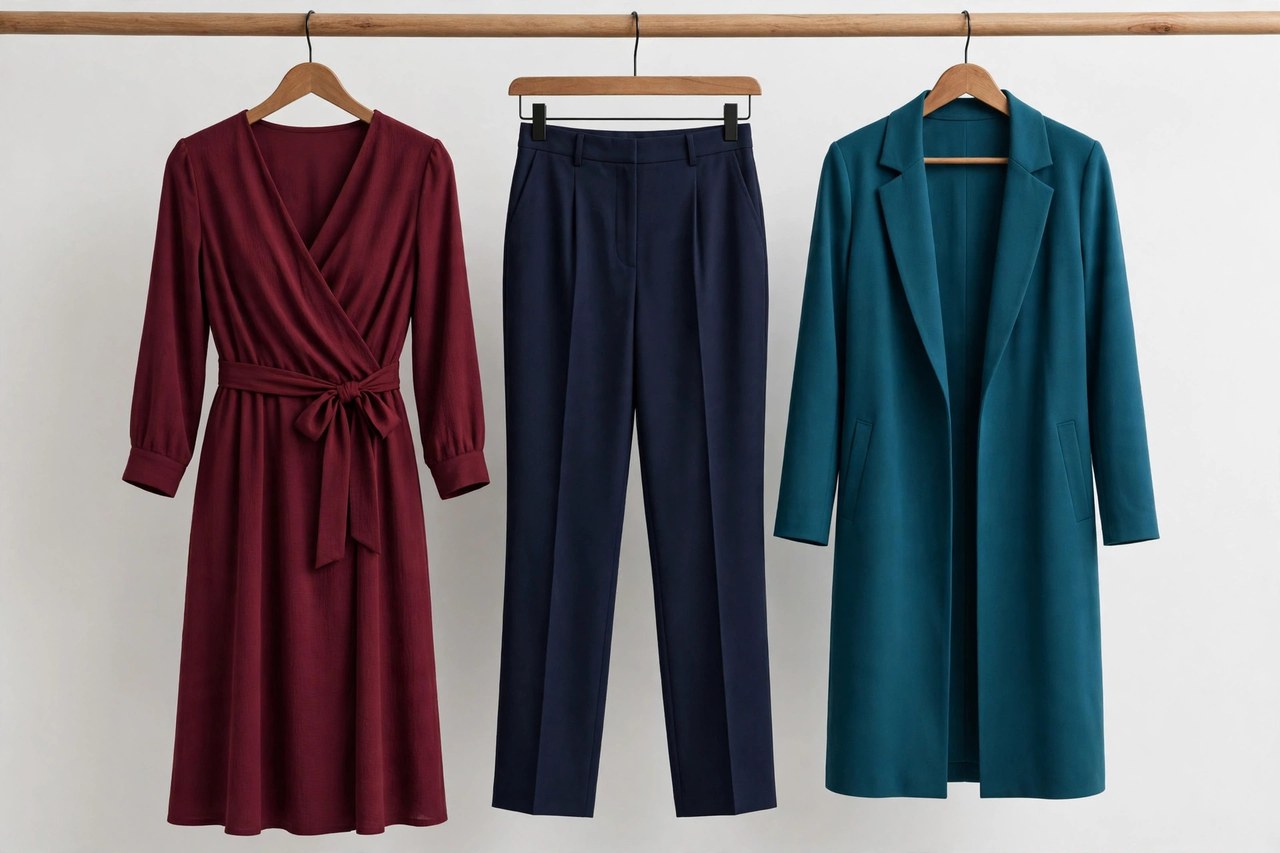
Full figured fashion is clothing designed for, and styled on, bodies larger than the fashion industry's sample size — and it deserves better than the two clichés (hide it under volume, or squeeze it into straight sizes and hope). This guide is practical: what the terms mean, the fit and proportion principles that genuinely flatter a fuller figure, and how to shop a market that has improved enormously and still has gaps.
The approach throughout is the one good stylists use: fit the body you have, in fabrics with structure, in proportions chosen deliberately. Nothing here is about disguise.
The Words: Full Figured, Plus Size, Curvy
What does full figured mean? It represents a body type: Dictionary.com (March 2019) defines it as “having an amply proportioned or heavy body.” Plus size is interchangeable with full-figured in retail — clothing proportioned specifically for people whose bodies are larger than the average person's. A relatively new alternative term gaining consumer and editorial favour is curvy, regarded in a euphemistic sense as less offensive to those who wear larger sizes.
The terminology matters commercially as well as politely: retailers file the same clothes under all three labels, so searching all of them finds the full range. In sizing terms, plus ranges typically begin around US 14–16 / UK 18 and are (in good ranges) graded and patterned for a fuller figure rather than simply scaled up — a distinction the next section explains.
Fit and Proportion: The Working Principles
The foundation principle: clothes should skim, not cling or swamp. Structured fabrics (ponte, tailored wovens, denim with recovery) hold a line; flimsy jersey shows every strap and seam beneath. A defined waist — by a wrap cut, a belt, a tucked top or a jacket's shape — is the single most effective proportion tool, because it gives the silhouette an intentional geometry.
Other principles that hold up: vertical lines lengthen (longline layers, V-necklines, a column of one colour); scale prints to the frame (medium-to-large prints sit better than ditsy ones); balance volume (a full skirt with a fitted top, wide trousers with a tucked blouse); and understructure matters — a correctly fitted bra changes how every top sits, and is the highest-value fitting in the wardrobe.
Shopping the Ranges Well
Buy from ranges patterned for fuller figures: the armholes, bust darts, rise and hip grading differ from a straight size scaled up, and the difference is visible in every photograph and mirror. Check the fit points that fail first: button gaps at the bust, sleeves that bind, rises that run short, waistbands that fit the waist and squeeze the hip (or the reverse).
Wardrobe building follows the same logic as any other — our fashion accessories and fashion bags guides apply unchanged, with accessories scaled up a notch to hold their own. Designers have looked ever more closely at the earning potential of plus-size clothing, using plus-size models in campaigns and catwalks; the shopper's side of that progress is choice, and using it critically — returning what fits badly, rewarding what fits well — is how the market keeps improving.
A Short History
The category has a named founder: Lane Bryant began trading in the early 1900s as a producer of clothing for ‘expectant mothers and newborns’. By the early 1920s, Lane Bryant was selling clothing under the category ‘For the Stout Women’, ranging between a 38–56 inch bustline. The earliest catalogues used illustrations; by the mid-1950s, photographs were integrated as printing technology evolved, and after a hiatus through the 1960s–80s, the company again began using plus-size models.
From those catalogues to today's dedicated plus ranges, extended sizes in mainstream lines, and fuller-figured models on catwalks, the direction has been consistent: more and better clothing for more bodies. Full figure and plus size fashion now comes in a wide variety of styles, fabrics and sizes — this guide exists to help you choose the best of it.
More Style Guides
More to Explore on Apparel Search
Women’s Clothes Guide by Letter: Women's Clothes Directory A · Women's Clothes Directory B · Women's Clothes Directory C · Women's Clothes Directory D · Women's Clothing Directory E
Looking for Women's Clothing Stores?
This guide helps you choose full figured and plus size women's fashion. To browse where to buy, visit our women's clothing store directory, where you can find retailers that carry them.