Ladies Sportswear Guide
Not gym clothes: sportswear is fashion's separates system — its 1930s origins, how it differs from activewear, and how to build outfits from it.
Shop Women's Sportswear Now
Shop Women's Sportswear on Amazon Shop Women's Sportswear on eBayThe Amazon and eBay links on this page are affiliate links. If you make a purchase through them, Apparel Search may earn a commission.
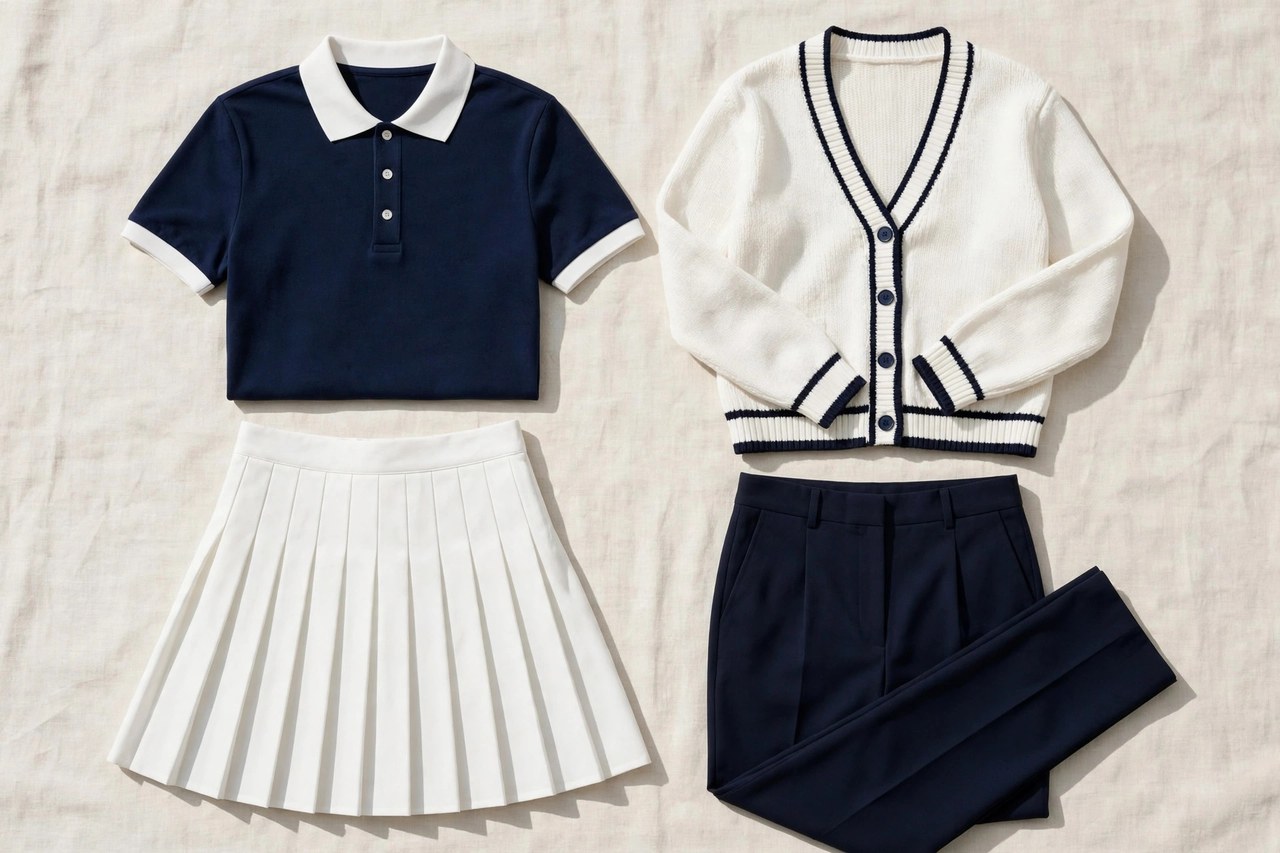
The word sportswear is not necessarily synonymous with activewear. Activewear is clothing designed specifically for participants in sports — athletics. Sportswear is a fashion term originally used to describe separates, and since the 1930s it has come to be applied to day and evening fashions of varying degrees of formality. Ladies' sportswear demonstrates a specific relaxed approach to design, while remaining appropriate for a wide range of social occasions.
In modern times the boundaries between fashion sportswear and activewear have become increasingly blurred — activewear can be worn as sportswear, and sportswear borrows sports details freely. This guide explains the category on its own terms: the separates system, its history, and how to shop and style it.
The Separates Idea
Sportswear's revolution was coordination. Instead of the matched dress or suit as the only respectable outfit, American designers of the 1930s — Claire McCardell above all — proposed wardrobes of interchangeable pieces: a jacket, a skirt, trousers, shorts, a blouse, a knit top, designed to mix. A woman could buy pieces one at a time and combine them into many outfits, dressing each piece up or down. It was democratic, practical and distinctly American, and it quietly became the operating system of women's fashion.
The relaxed approach is deliberate: sportswear takes the ease of sports clothing — unrestricted cuts, washable fabrics, flat shoes — and refines it for town. That is why a polo shirt, a pleated skirt and a cardigan read as a put-together outfit rather than tennis kit: the proportions and finishing are fashion's, even when the ancestry is athletic.
The Core Pieces
A sportswear wardrobe is built from a short list: a tailored but unstuffed jacket or blazer; trousers and a skirt that share its color story; knit tops, polos and fine sweaters; a shirt or blouse; and a coat that covers the combinations. Fabrics favor the practical — cotton twill, gabardine, jersey, flannel, denim — with everything washable or easy-care by design philosophy.
Because the pieces are a system, color discipline matters more than quantity: two neutrals and one accent color, repeated across pieces, can yield weeks of outfits. This is also why sportswear sections of stores are merchandised in color stories rather than by garment type — the rack is showing you combinations, not items.
Sportswear vs Activewear, Settled
Use the changing-room test. Activewear is engineered for performance: compression, moisture management, gussets, reflective detail — it is for doing sport. Sportswear is engineered for life: it must survive a commute, a lunch and a school play while looking composed. The overlap zone — a good legging, a technical polo worn socially — is real, and modern athleisure lives in it, but the categories remain distinct in intent.
A fuller “about sportswear” resource in our fashion influence section covers the category in more depth, and our leotards and leggings guides cover the athletic side of the family from their own angles.
Shopping the Category
Buy sportswear in outfits, not items: try the trousers with the jacket and the knit together, and check that each piece also works with two things you already own. Fit should be easy but not sloppy — the category's polish comes from clean lines in relaxed shapes. And because pieces are worn in rotation, construction quality compounds: the blazer worn forty times a year deserves a better fabric than the dress worn twice.
Related Women's Guides
Photos

Looking for Women's Clothing Stores?
This guide helps you choose ladies sportswear and separates. To browse where to buy, visit our women's clothing store directory, where you can find retailers that carry them.