Women's Low Top Basketball Shoes Guide
Court shoes cut below the ankle: why many guards prefer lows, how they differ from high tops, and what to check in cushioning, traction and fit.
Shop Women's Low Top Basketball Shoes Now
Shop Women's Low Top Basketball Shoes on Amazon Shop Women's Low Top Basketball Shoes on eBayThe Amazon and eBay links on this page are affiliate links. If you make a purchase through them, Apparel Search may earn a commission.
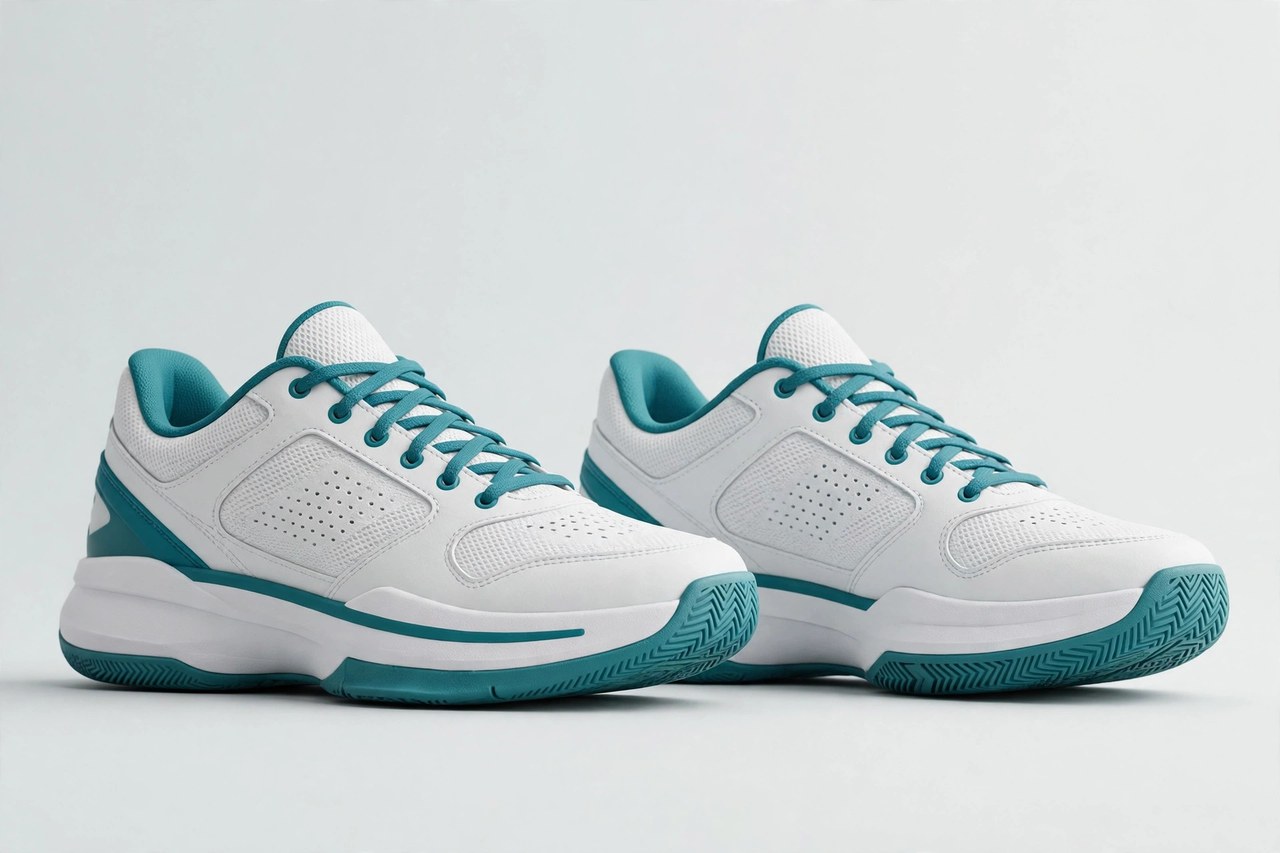
Low top basketball shoes are court shoes whose collar ends below the ankle bone. Once considered strictly a guard's shoe — and a slightly rebellious one — the low top is now a mainstream choice at every level of the women's game, worn by players who prize speed and a natural range of motion over the locked-in feel of a high collar.
This guide explains what the low cut changes and what it does not, the cushioning and traction features that matter on court, and how to fit a shoe that will spend its life cutting, stopping and jumping. Our high-top counterpart guide is linked below, so you can compare the two philosophies directly.
Low vs High: The Honest Comparison
The traditional argument said high tops prevent ankle sprains. Research and player experience have softened that claim: a collar alone does not stop a hard inversion landing, and many players find lows just as secure when the heel counter is firm and the base is wide. What lows unquestionably give is freedom — the ankle moves naturally, the shoe feels lighter and faster, and the transition from heel to toe is quicker on drives and close-outs.
What highs give is proprioceptive feedback and a sense of containment some players simply play better with. The correct answer is the one your ankles and your game agree on; players with an ankle history often pair lows with a brace, which outperforms any collar. Leather sneakers — the lifestyle descendant of the court shoe — are also linked below.
Cushioning and Traction
Basketball cushioning is a compromise between impact protection and court feel. Foam midsoles (EVA and its modern supercritical descendants) absorb landing force; too soft and the shoe feels unstable on cuts, too firm and knees complain by the fourth quarter. Guards in lows usually choose a lower, firmer ride; frontcourt players who land in traffic often prefer maximum cushion and accept the height.
Traction is the low top's non-negotiable: a herringbone or data-driven blade pattern in a grippy rubber compound, squeaking on clean hardwood. Dusty courts reward deeper grooves and a quick wipe of the sole. Outdoor players need harder rubber and thicker patterns — indoor shoes on asphalt will be bald in a month.
Fit for the Court
Fit basketball shoes at day's end, in game socks, with a thumbnail of space at the toe — feet swell and slide forward on hard stops, and black toenails are a sizing error, not a badge. The midfoot should lock so the heel does not lift on a jab step; the forefoot needs enough width for the foot to splay on landing. Women's-specific lasts exist on better models and are worth seeking out: narrower heel, different arch geometry than a scaled-down men's shoe.
Break lows in over two or three sessions before a game. Rotate two pairs if you play weekly — foam recovers between sessions and the shoes last a season longer — and retire them when the traction pattern smooths or the midsole feels dead, typically after 300–400 hours of court time.
Off the Court
The low basketball silhouette is also a streetwear staple — our lifestyle shoes guide covers that wardrobe role. Keep game shoes and lifestyle pairs separate if you play seriously: outdoor miles grind down traction long before the uppers look tired. A retired court shoe makes a fine gym and errand shoe; it just should not check a guard anymore.
Related Women's Guides
Photos

Looking for Women's Clothing Stores?
This guide helps you choose women's low top basketball shoes. To browse where to buy, visit our women's clothing store directory, where you can find retailers that carry them.