John Galliano
Fashion Definitions — fashion designer profiles from Apparel Search
Search Apparel Search
At a Glance
Definition: John Galliano (born January 28, 1960, in Gibraltar) is a British fashion designer who graduated from the St. Martin's School of Arts in 1984 with a collection inspired by the French Revolution, won British Designer of the Year in 1987, 1994 and 1995, and was appointed designer of Givenchy in 1995 before moving to Christian Dior two years later.
Category: Fashion Definitions
John Galliano's record runs from a graduation collection inspired by the French Revolution to the design rooms of two of Paris's most traditional houses. Born in Gibraltar and raised in London, he won British Designer of the Year three times, was appointed designer of Givenchy in 1995, and two years later began work at Christian Dior, where he continued his extravagant trends until the events of 2011 ended that chapter.
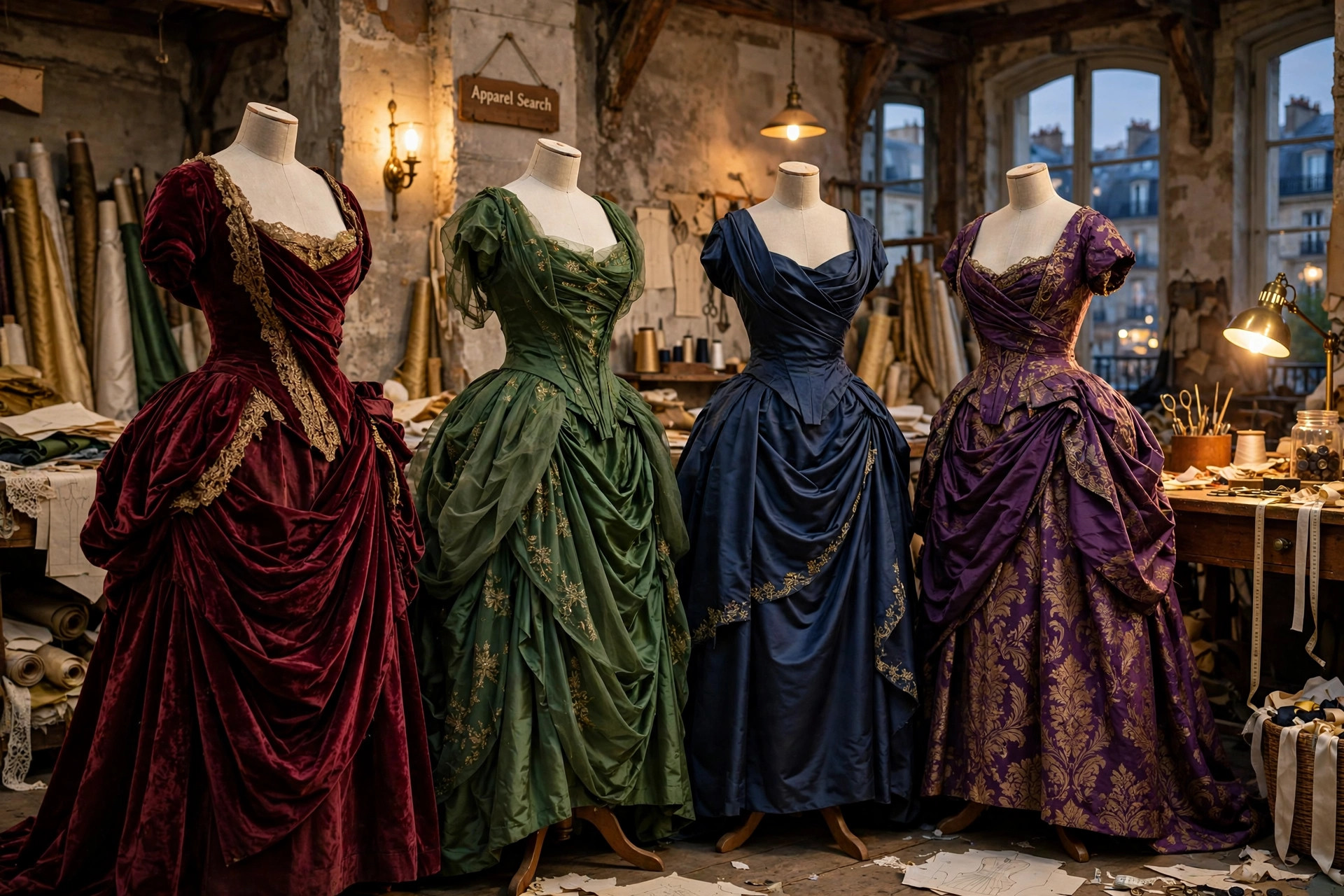
A French Revolution Graduation and Three British Awards
Galliano was born in Gibraltar on January 28, 1960, moved to London as a child and attended Wilson's School in Wallington — which is why a designer born outside Britain is described throughout as a British fashion designer: the description follows his upbringing and training, not his birthplace. In 1984 he graduated in design from the St. Martin's School of Arts with a collection inspired by the French Revolution, a choice that announced the two interests that define his recorded career: history as a source of costume, and theatre as the way to present it. He then started his own label. The honours map his rise: British Designer of the Year in 1987 rewarded the young designer with his own name above the door, and winning the award again in both 1994 and 1995 rewarded an established one, immediately before his move to Paris.
Givenchy, Then Dior: Irreverence Inside Traditional Houses
In the 1990s Galliano moved to Paris, and in 1995 he was appointed designer of Givenchy. His first collection for the traditional fashion label was marked by an irreverent style that shocked the fashion world. Two years later he left Givenchy, which passed to Alexander McQueen, and began to work at Christian Dior, where he continued his extravagant trends — the style was his rather than either house's, since the houses changed and the extravagance continued. Alongside the acclaim, his record includes criticism from PETA for his fur creations.
Suspension and Conviction in 2011
The closing part of the record is stated in dated steps. On 25 February 2011, Dior announced that it had suspended Galliano following his arrest over an alleged anti-Semitic tirade in a Paris bar. The same day, the Paris-based citizen journalism site Citizenside received video of Galliano on a similar rant in the same bar the previous December, so the allegation was not a single isolated report. On September 8, 2011, Galliano was found guilty of making anti-Semitic remarks. The sequence matters for reading the record accurately: the February event was an arrest and an allegation followed by a suspension, an employer's interim step, while the September event was a court's finding of guilt. The designer who had been handed two of France's most traditional houses in succession lost the second of them in 2011 not over his clothes but over remarks made in a bar.
Common Questions
What was John Galliano's graduation collection about?
Galliano graduated in design from the St. Martin's School of Arts in 1984 with a collection inspired by the French Revolution, then started his own label.
How many times did Galliano win British Designer of the Year?
He won the British Designer of the Year award three times: in 1987, and again in both 1994 and 1995.
Which Paris houses did Galliano design for?
Galliano was appointed designer of Givenchy in 1995; his first collection for the house was marked by an irreverent style that shocked the fashion world. Two years later he left Givenchy, which passed to Alexander McQueen, and began work at Christian Dior, where he continued his extravagant trends.
What happened to Galliano at Dior in 2011?
On 25 February 2011 Dior announced it had suspended Galliano following his arrest over an alleged anti-Semitic tirade in a Paris bar. On September 8, 2011 he was found guilty of making anti-Semitic remarks.
More to Explore
- Fashion Designer Guide
- Christian Dior Definition — the house he designed for from 1997
- Givenchy Definition — the house he designed for from 1995
- Alexander McQueen Definition — his successor at Givenchy
- British Fashion Designers
- John Galliano Collections
- John Galliano Fall Fashions
- John Galliano Fashion Week
- John Galliano News
- John Galliano Profiles
- John Galliano Runway
- John Galliano Spring Fashions