What Is the Most Important Aspect When Selecting a Clothing Factory?
A fashion poll on what matters most in choosing where clothing is made
Selecting a clothing factory is one of the most consequential decisions a fashion business makes, and this poll asks which aspect of the choice matters most. The obvious candidates compete on every sourcing trip: the quality of the factory's work, judged by its samples and its other customers; its prices and how they fit the garment's target ticket; its reliability on delivery dates, since a late line misses its season; its minimum order quantities; the clarity of its communication across language and time zones; and its labor and safety compliance, which buyers are increasingly required to verify. Different companies rank these differently — a luxury label and a promotional T-shirt program should not choose the same factory — and the poll records how the trade ranks them overall.
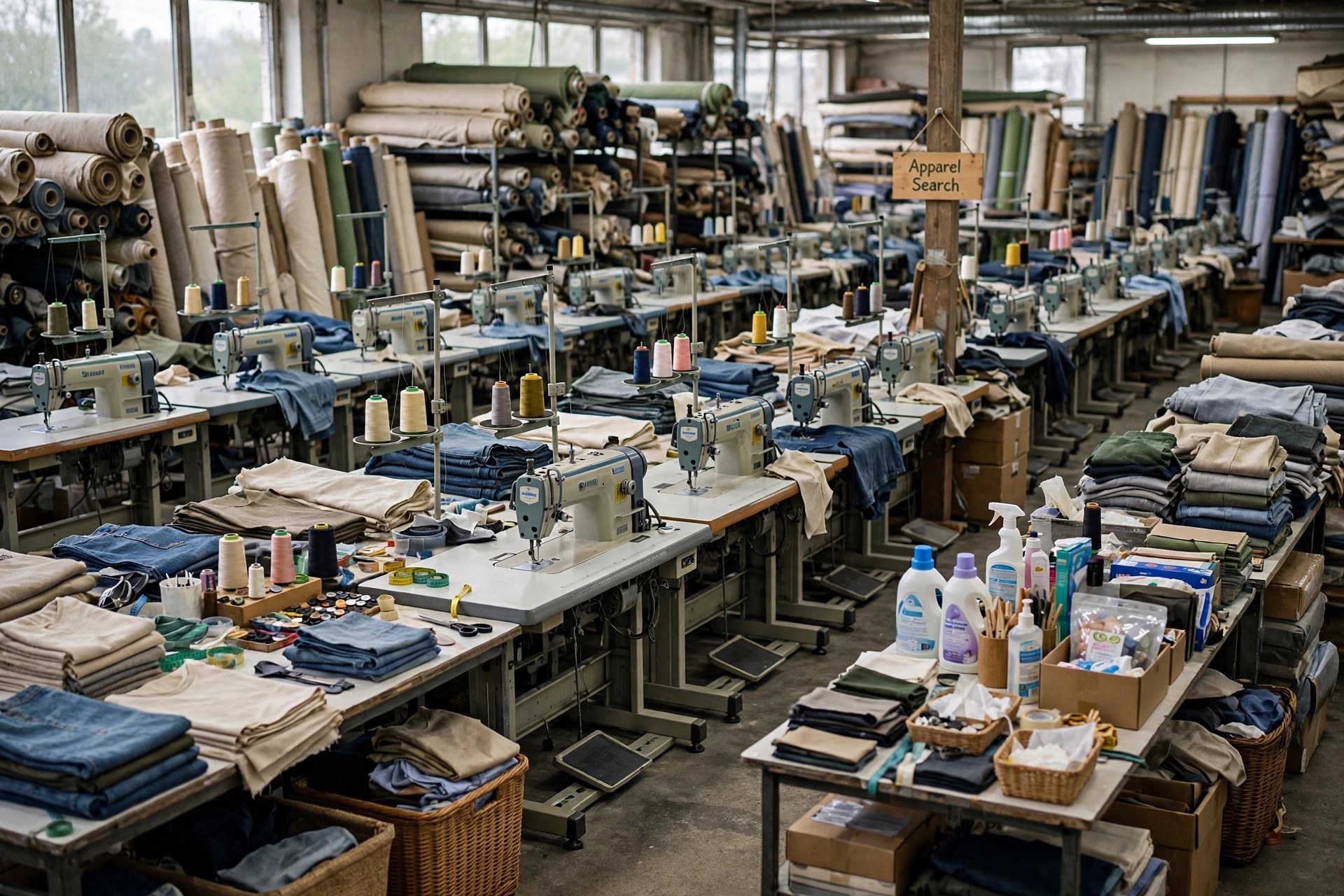
What is the most important aspect when selecting a
clothing factory?
Fashion Polls : Research clothing and
style by using a fashion poll.
Fashion Polls Clothing Factory Directory Fashion Industry Polls Fashion Industry Research Fashion Education Fashion Schools Fashion Apparel Clothing
Thank you for visiting the, "What is the most important aspect when selecting a clothing factory?" poll. Try another fashion poll.
You can discuss this issue and any other issue relevant to fashion at the Fashion Industry Network Discussion area.
Learn more about apparel manufacturers from the Apparel Manufacturer website.
Have you heard about the shocking new polls?
A fashion poll is essentially a survey of the public or a sampling of public opinion to acquire information about a particular issue relevant to fashion or the fashion industry. Polls can be taken either online or offline.
Quality and Reliability Lead Most Rankings
Experienced sourcers usually put quality consistency first, because a factory's best sample is meaningless if the five-hundredth garment differs from it — the skill being bought is repetition. Reliability follows immediately: fashion is sold by seasons and delivery windows, and a factory that ships late delivers garments whose selling time has already shrunk, converting directly into markdowns. Both qualities are verified the same way, by references from current customers, by trial orders before large commitments, and by inspecting production rather than showroom samples. Price, by contrast, is the easiest aspect to compare and the one veterans trust least as a lead criterion — the cheapest quote often prices in the corner that will be cut.
Communication, Minimums and Compliance
The working relationship decides the rest. A factory that communicates clearly — confirming specifications in writing, flagging problems early, answering across the time-zone gap — prevents the misunderstandings that become defective production. Minimums determine fit for growing brands: a factory whose minimums a label can actually meet, and which will grow with it, can be worth more than a larger plant's lower price. Compliance has moved from a background check to a ranking factor in its own right, as retailers require audits of working conditions and safety and as consumers ask where garments were made. The poll's spread of answers reflects real strategy differences — but a factory strong on quality, dates and communication rarely disappoints any strategy.
Common Questions
What do experienced buyers usually rank first in a factory?
Quality consistency — the ability to make the five-hundredth garment match the approved sample — followed closely by reliability on delivery dates, since late goods lose their selling season.
Why is the lowest price quote treated with suspicion?
Because price is the easiest figure to compare and the easiest to achieve by cutting a corner that appears later as defects, delays or rework; veterans verify quality and dates by references and trial orders first.
Why does compliance matter in factory selection?
Retailers increasingly require audits of working conditions and safety, and consumers ask where garments were made — so a factory's labor and safety record is now a commercial factor, not only an ethical one.