Should School Dress Codes Require Uniforms?
A fashion poll on one of education's longest-running clothing debates
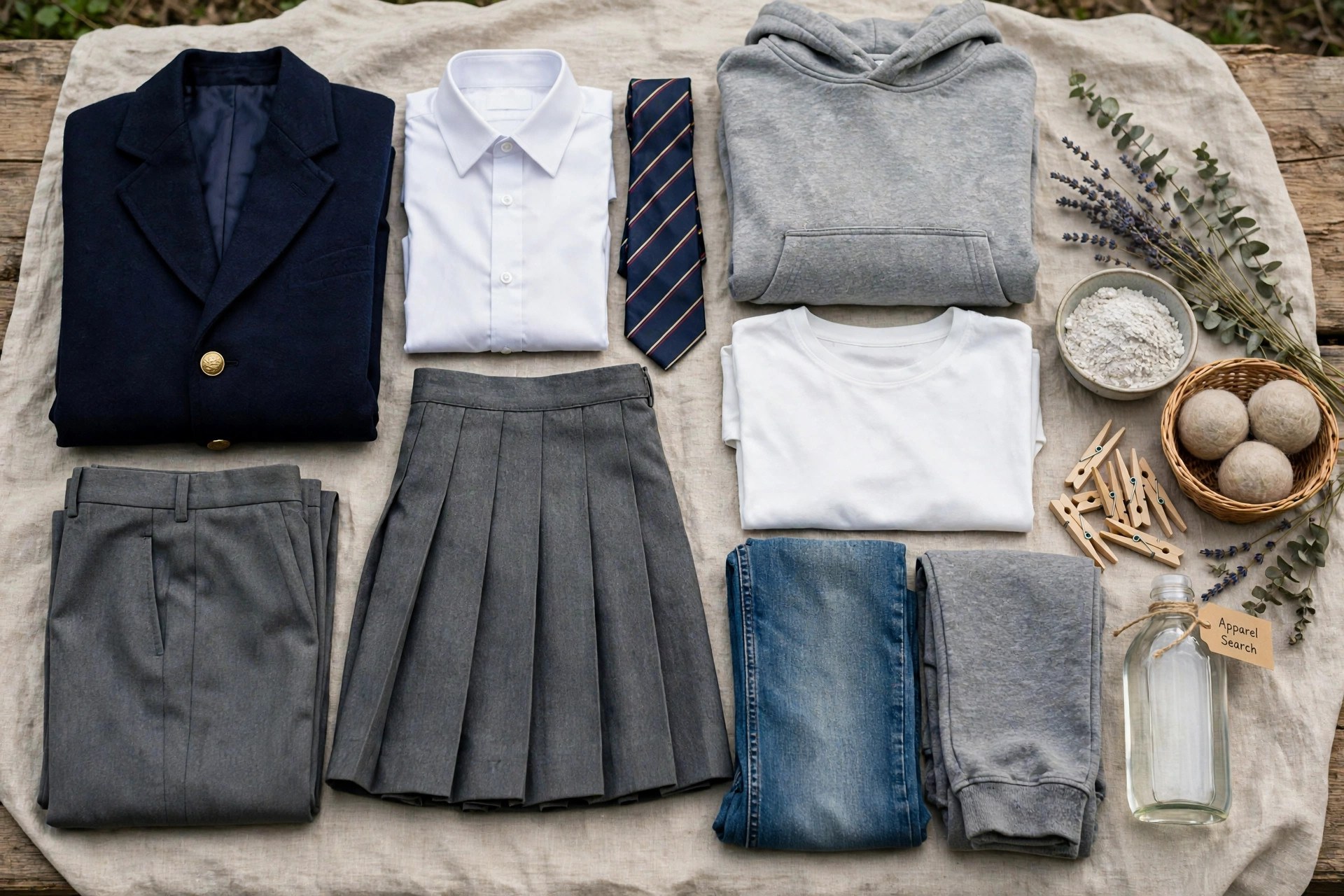
School uniforms are where fashion meets policy, and this poll asks whether dress codes should require them. Supporters argue that uniforms level the visible differences between students of different incomes, simplify mornings, reduce clothing-related conflict and bullying, and give schools a clearer standard to enforce than a list of prohibitions. Opponents argue that uniforms suppress self-expression at exactly the age when students are forming identity, that the claimed savings shrink once uniform-specific purchases are counted, and that discipline problems attributed to clothing are really problems of behavior that a blazer does not fix. The question is asked in school board meetings every year; this poll takes the same question to the wider fashion audience.
Should School Dress
Codes Require Uniforms?
Fashion Polls : Research clothing and
style by using a fashion poll.
Fashion Polls Fashion Schools Fashion Industry Polls Fashion Industry Research Fashion Education Fashion Schools Fashion Apparel Clothing
Thank you for visiting the, "Should school dress codes require uniforms?" poll. Try another fashion poll.
You can discuss this issue and any other issue relevant to fashion at the Fashion Industry Network Discussion area.
Have you heard of the new web poll technology?
A fashion poll is essentially a survey of the public or a sampling of public opinion to acquire information about a particular issue relevant to fashion or the fashion industry. Polls can be taken either online or offline.
The Case for Requiring Uniforms
Equality is the leading argument. When every student wears the same outfit, the daily competition of brands and trends loses its arena, and the difference between a wealthy and a poor family's clothing budget stops being visible at a glance. Families and schools add practical claims: a uniform wardrobe is finite and plannable, mornings are faster, and enforcement is simple because the standard is the garment itself, not a judgment call about a hemline or a slogan. Schools also cite identity and safety — a uniformed student body is recognizable on trips and at the gate, and a sense of belonging to the institution is said to carry into behavior.
The Case Against Requiring Uniforms
Self-expression is the leading counter-argument: clothing is one of the few expressive tools adolescents control, and removing it removes a harmless one. Critics also dispute the economics — uniforms are an additional, specific purchase that cannot double as weekend wear, and growing children need replacements regardless of dress code savings. The evidence argument cuts at the strongest claims: studies of uniforms' effects on achievement and discipline are mixed at best, and schools that adopt uniforms usually change other policies at the same time, making credit hard to assign. The poll's endurance as a question reflects that balance — both sides argue from values that schools genuinely hold, which is why the debate renews with each generation.
Common Questions
What is the main argument for school uniforms?
Visible equality: uniforms remove brand and trend competition and stop family income from showing in clothing, while also simplifying enforcement, mornings and school identification.
What is the main argument against school uniforms?
That they suppress students' self-expression, may not save money once uniform-specific purchases and replacements are counted, and have mixed evidence for improving discipline or achievement.
Do uniforms eliminate clothing costs for families?
No — they change them. A uniform set is finite and plannable, but it is an extra purchase that cannot double as everyday wear, and children outgrow it just as they outgrow other clothing.